


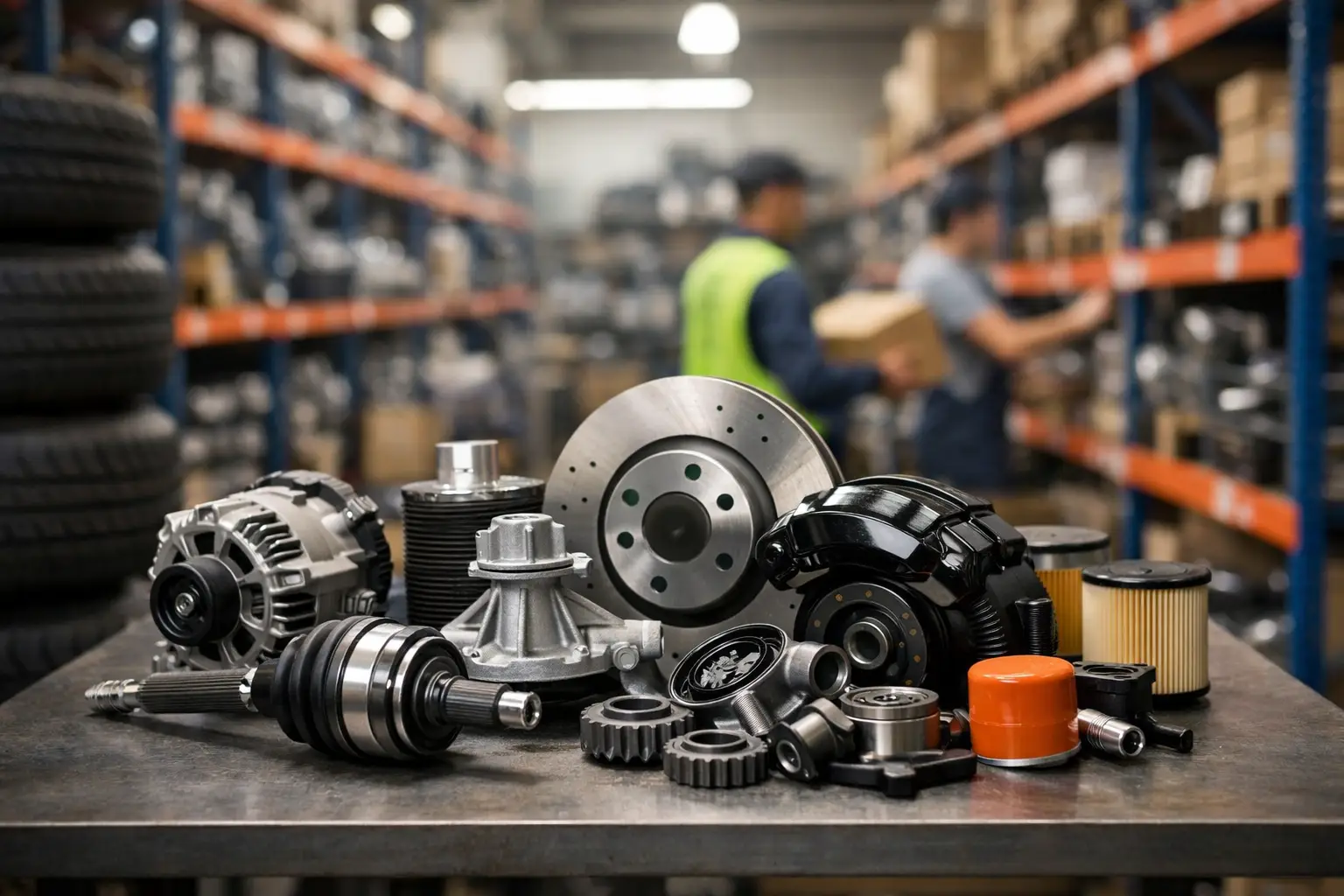
What Strong Auto Spare Parts Supply Looks Like
A workshop bay does not stay profitable for long when a car is stuck waiting on the wrong part. A retailer cannot build repeat business if stock quality changes from batch to batch. And a car owner feels the cost immediately when a low-grade component fails early. That is why auto spare parts supply is not just about moving boxes. It is about delivering the right part, with the right quality, at the right time, and at a price the market can support.
In the aftermarket, supply strength shows up in practical ways. It shows up when a control arm fits properly without forcing installation. It shows up when a wheel hub bearing runs quietly and lasts under daily use. It shows up when a workshop can replace a steering or suspension part with confidence, knowing the comeback risk is low. For dealers and distributors, it shows up as stable demand, fewer complaints, and better customer trust.
Many buyers judge supply by one question - is the item in stock? Availability matters, but it is only one part of the picture. A weak supply chain can still look good on paper if the shelf is full of parts that create fitment issues, inconsistent durability, or warranty headaches.
A dependable auto spare parts supply system combines stock depth with quality control. It supports daily demand across high-movement categories like steering, suspension, braking, drivetrain, and engine timing. It also protects workshops from lost labor time and protects retailers from damaged credibility. If the part fits right the first time and performs as expected, everyone in the chain benefits.
For end users, the difference is even more direct. Most drivers are not comparing metallurgy, rubber compound, or test procedures. They are asking simpler questions. Will the car feel stable? Will braking remain predictable? Will the repair last? Good supply answers those questions through consistent product standards, not marketing claims alone.
A strong supplier is not defined by catalog size alone. Breadth matters, especially in markets where local, Japanese, Korean, and international passenger vehicle brands all need support. But the real test is whether product coverage is backed by discipline.
Quality comes first. Replacement parts in categories such as ball joints, tie rod ends, rack ends, stabilizer links, strut mounts, shock absorbers, and brake components directly affect vehicle control and safety. If quality is unstable, the consequences reach far beyond a return request. A reliable supplier must have clear standards, repeatable production quality, and testing that aligns with real operating conditions.
Fitment accuracy is just as important. Workshops do not make money solving avoidable dimensional mismatches. Dealers do not want customers returning parts because mounting points, lengths, or tolerances are off. Precise fitment reduces installation time, lowers the chance of damage during fitting, and helps the vehicle get back on the road faster.
Then comes product range. A supplier with broad market coverage can support mixed vehicle populations more effectively. This matters in a market where workshops may service a local compact car in the morning, a Japanese sedan at noon, and a Korean SUV before closing. A one-stop source simplifies ordering, saves time, and helps businesses manage purchasing more efficiently.
Finally, supply must make commercial sense. Price always matters, but the lowest buying price is not always the best value. If a cheaper part increases rework, warranty claims, or customer dissatisfaction, the actual cost rises quickly. Good value means a product delivers dependable service life and marketable quality at a competitive price point.
For workshops and mechanics, the ideal supply partner helps reduce friction in daily operations. That starts with easy product identification and continues through installation and post-sale confidence. If part selection is unclear, valuable time is lost before the repair even begins.
Fast-moving categories deserve special attention because they are tied closely to everyday maintenance and common wear. Steering racks, drive shafts, control arms, wheel hubs, hub bearings, and timing chain kits are not niche purchases. These are categories where workshops need confidence in availability and consistency because customer vehicles depend on them for normal, safe use.
Workshops should also look at failure patterns, not just first impressions. Some parts install fine but deteriorate too quickly under load, heat, or rough road conditions. Others may appear acceptable until noise, vibration, or looseness develops earlier than expected. A dependable supplier helps workshops avoid this cycle by maintaining stable product quality over time.
There is also a workflow advantage to buying from a supplier with broad category coverage. When one source can support braking, suspension, steering, drivetrain, and engine-timing needs across many vehicle models, ordering becomes simpler. Fewer supplier gaps usually mean fewer delays and less administrative effort.
Retailers and distributors face a different set of pressures. They need products that move, margins that make sense, and a brand position that customers can trust. In this environment, reliable supply is about more than inventory turnover. It is about protecting long-term business relationships.
A consistent product line helps retailers sell with confidence. When the quality is stable, staff can recommend parts without hesitation. When the brand covers many popular models, cross-selling becomes easier. When returns stay manageable, customer service improves.
This is where market coverage matters. A supplier that serves hundreds of vehicle models gives dealers and distributors a stronger platform for growth. Instead of carrying fragmented lines from multiple uncertain sources, they can build around a range that supports common repairs and repeat demand.
National distribution strength also makes a difference. Wide dealer coverage improves access, shortens replenishment time, and supports more stable product movement. In practical terms, that means retailers can serve workshops and car owners faster, without carrying unnecessary uncertainty in every order.
Car owners may not speak in trade terms, but they still know when a repair feels right. They notice when steering feels tight again, when braking becomes more confident, or when suspension noise disappears after a proper replacement. These everyday results depend heavily on the quality behind the part.
Drivers should be cautious about buying based on price alone. For critical systems, very low prices often raise questions about material quality, testing standards, and service life. That does not mean the highest-priced option is always necessary. It means value should be measured by durability, fitment, and dependable daily performance.
A trustworthy aftermarket supplier helps bridge that gap by offering parts that meet practical expectations without pushing costs out of reach. For many drivers, that balance matters most. They want a repair that is safe, durable, and sensible for the budget.
The strongest aftermarket suppliers build confidence in layers. They support retailers with fast-moving ranges and commercial stability. They support workshops with accurate fitment and fewer installation problems. They support drivers with parts designed for reliable road use.
This is where an established brand can make a real difference. A supplier with long market experience, disciplined quality control, and broad model coverage is usually better positioned to meet daily demand without compromising standards. Saiko has built that role in the Malaysian aftermarket by supporting more than 400 vehicle models across major passenger car segments, backed by OE-standard testing, quality-controlled production, and a nationwide network of over 500 dealers and distributors.
That kind of scale matters because supply reliability is not accidental. It comes from consistent product management, category depth, and a clear understanding of what workshops, retailers, and end users actually need. A broad catalog means little if the parts do not perform. Strong supply means the catalog, the quality, and the market support all work together.
A good buying decision usually comes down to a few practical checks. Is the supplier known for stable quality? Is the product range broad enough to support common repair demand? Is fitment reliable across the covered models? Can the supplier support repeat orders without frequent stock issues? And does the price reflect real value rather than short-term savings that create later problems?
The right answer will vary depending on whether you are running a workshop, stocking a retail shelf, or maintaining a family vehicle. But the core principle stays the same. Reliable supply should reduce risk, not add to it.
When auto spare parts supply is handled well, it supports more than a transaction. It keeps workshops productive, helps dealers grow with confidence, and gives drivers a safer, more dependable repair experience. That is the standard worth buying into.
Recent Posts
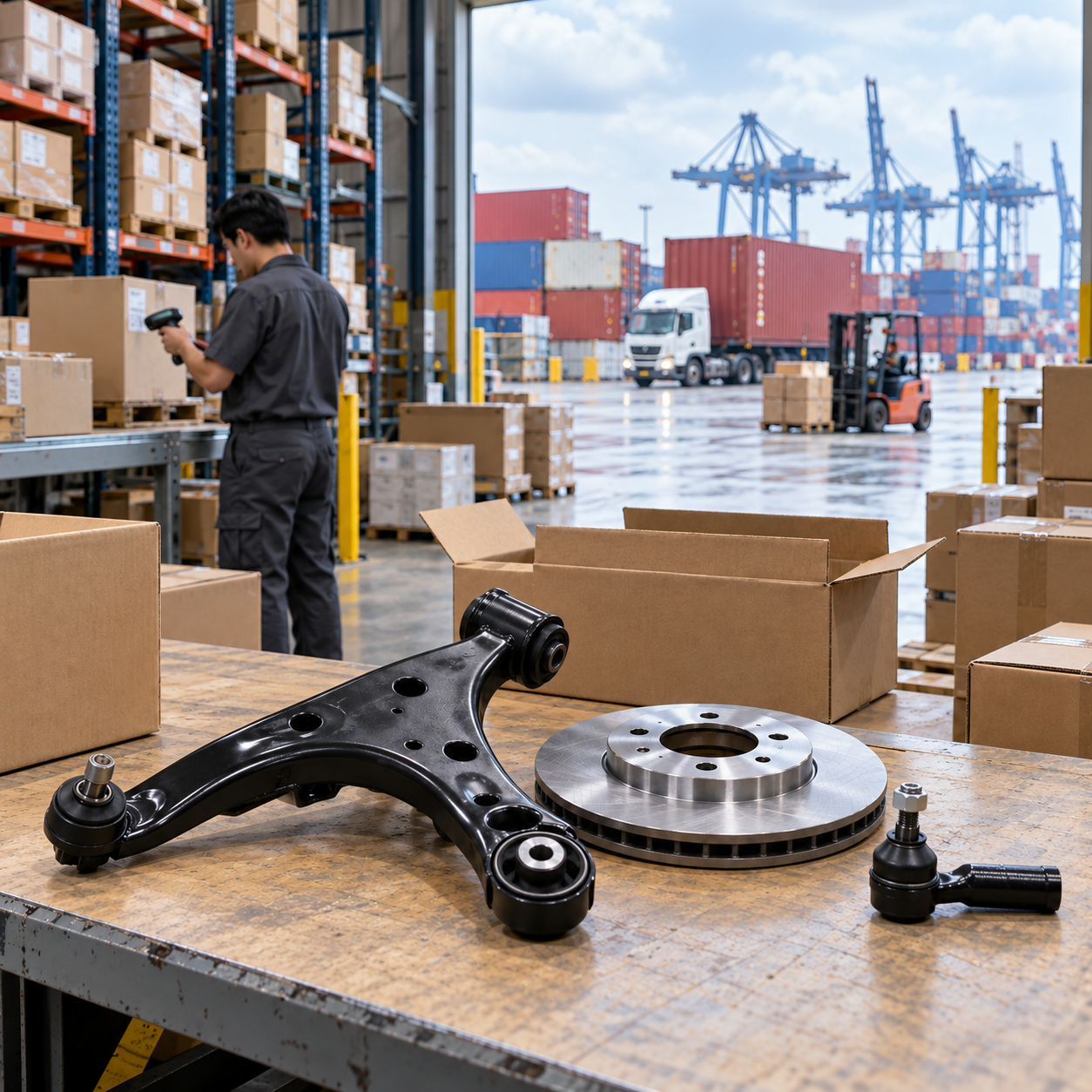
Automotive Trade Is on the Table in the Malaysia-EU FTA. Here's Why It Matters at the Parts Counter
23 Oct 2026
The Road Transport Act Just Got Tougher. Here's What It Means for Your Car's Parts
21 Oct 2026
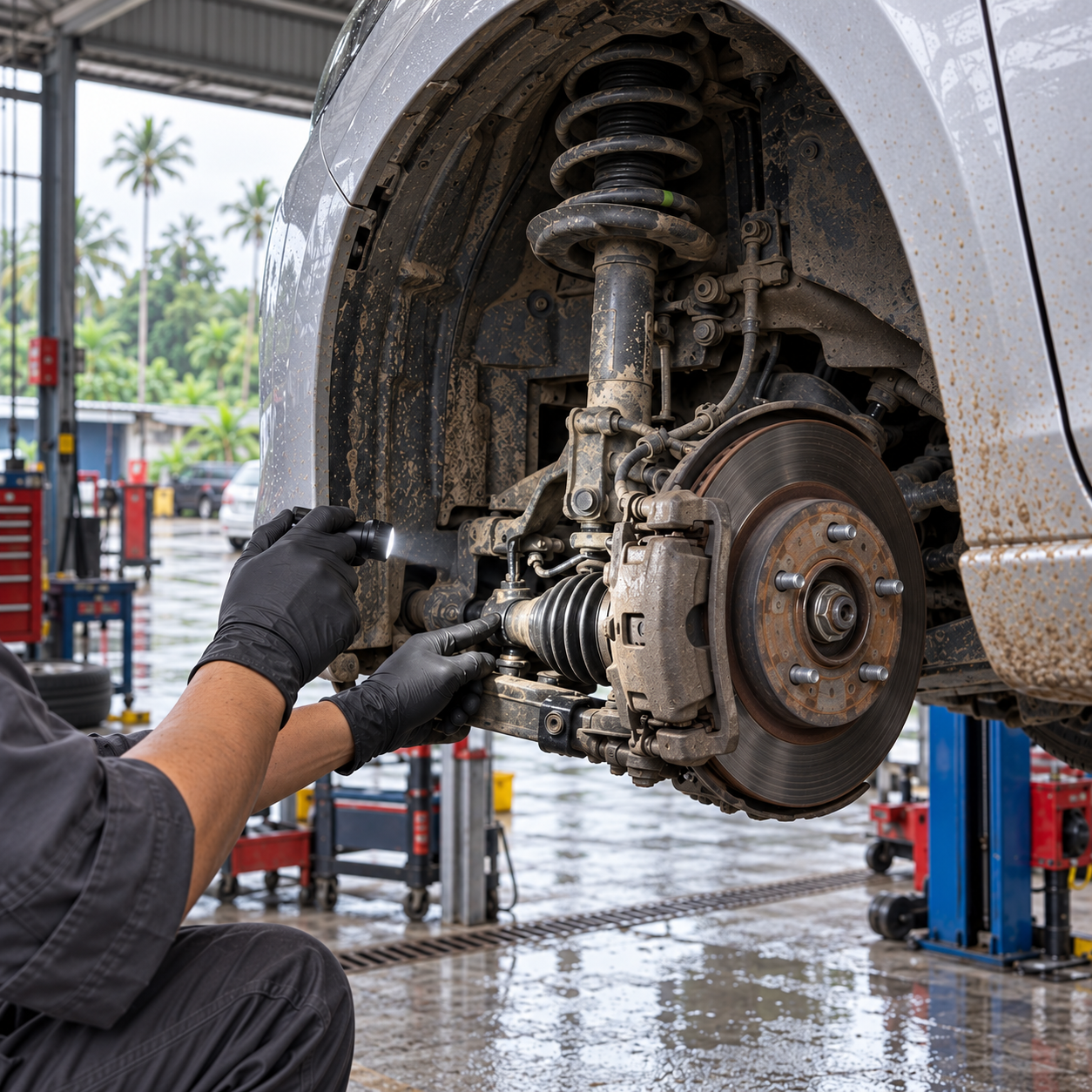
Drove Through Flood Water? The Parts Under Your Car That Need a Look Next
19 Oct 2026
A Record Year on the Road Means a Record Year Ahead for Maintenance
12 Oct 2026
Budget 2027 Puts E-Hailing Car Maintenance on the National Agenda
12 Oct 2026
 Whatsapp Us NowSaiko Automotive

