


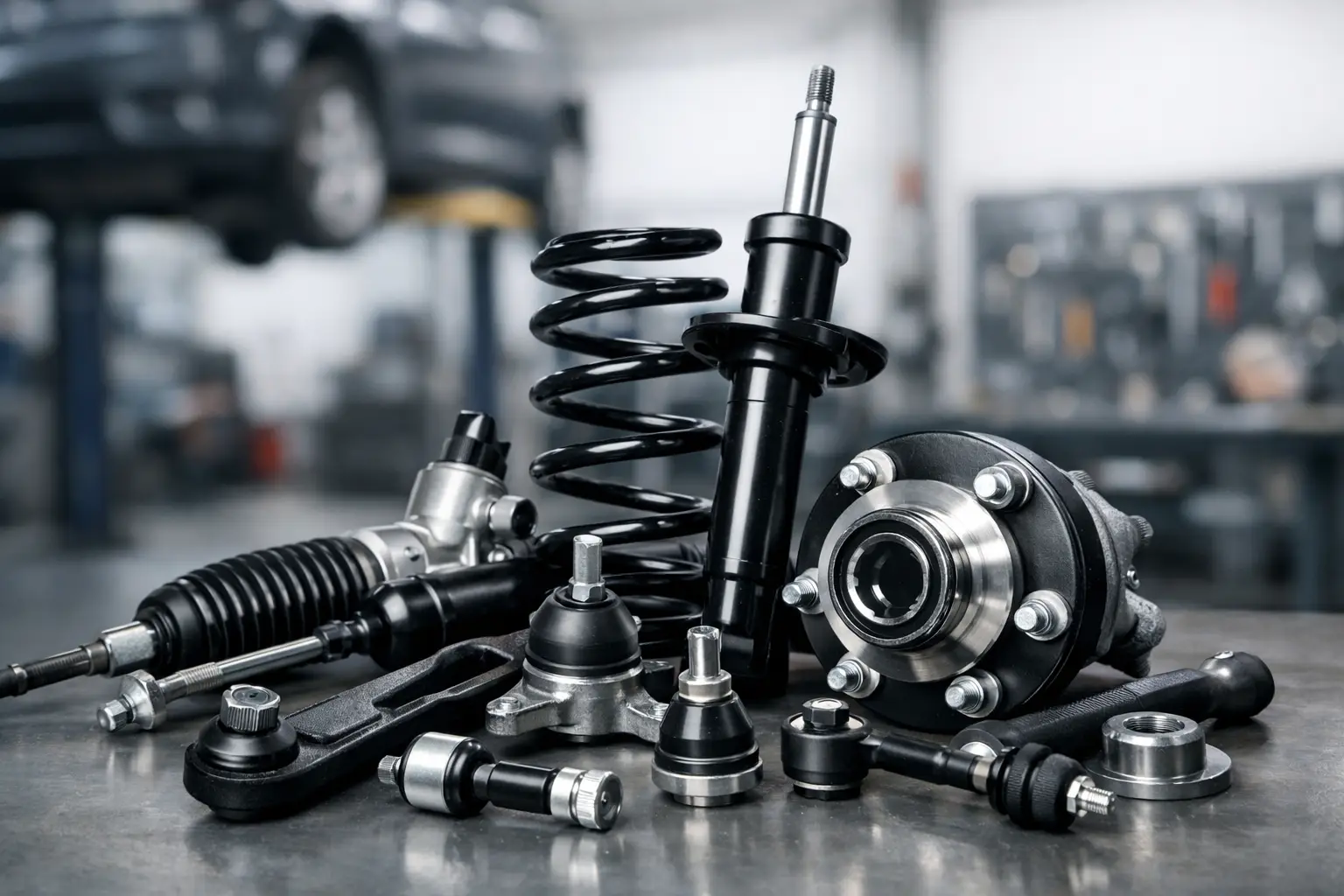
How to Choose Steering and Suspension Parts
A car that wanders on straight roads, knocks over bumps, or chews through tires is usually telling you the same thing - the steering and suspension parts are no longer doing their job properly. For workshops, that means callbacks and wasted labor if the wrong parts go in. For retailers and drivers, it means balancing price against safety, ride quality, and service life.
These components do more than keep the vehicle comfortable. They help maintain tire contact with the road, support stable handling, and keep alignment angles where they should be. When one part wears out, the effect rarely stays isolated.
A worn ball joint can create play that feels like loose steering. A weak shock absorber can increase stopping distance on rough roads because the tire is not planted consistently. A damaged strut mount can add noise, affect steering feel, and speed up wear in related components. That is why experienced workshops do not treat these repairs as simple part swaps. They look at the whole system.
For daily drivers, the biggest mistake is waiting until the problem becomes obvious. By then, tire wear may already be uneven, and other parts may have taken extra stress. Replacing the right component at the right time usually costs less than delaying the repair.
Some customers only ask for the part named in a mechanic's quote, but understanding the category helps you make better buying decisions. In steering systems, common wear items include tie rod ends, rack ends, and steering racks. These parts directly affect steering accuracy, play, and responsiveness.
On the suspension side, control arms, ball joints, shock absorbers, strut mounts, stabilizer links, wheel hubs, and hub bearings are among the most common replacements. Each one has a different role, but they work together. A stabilizer link may seem small compared with a control arm, yet when it fails, the vehicle can develop noise, body roll, and reduced cornering confidence.
This is also why fitment matters. Many vehicles have similar-looking parts across different model years or engine variants, but small dimensional differences can affect installation and long-term performance.
The first factor is build quality. Good steering and suspension parts need consistent materials, proper machining, and dependable sealing where grease retention or dust protection matters. If a ball joint boot cracks early or a bushing compound degrades too quickly, service life drops fast, especially in heat, rain, traffic, and rough road conditions.
The second factor is fitment accuracy. Workshops need parts that install without modification and align correctly with the vehicle's original mounting points. Poor fitment wastes labor time and can create noise, uneven wear, or premature failure. For retailers, accurate catalog coverage reduces returns and builds trust with mechanics who need the right part the first time.
The third factor is quality control. Not every aftermarket part is produced to the same standard. A reliable supplier should be able to support its product range with OE-standard testing, controlled production, and broad model coverage. That matters even more for businesses handling multiple vehicle brands, because consistency across the catalog helps simplify purchasing and reduce risk.
Price still matters, of course. But the lowest upfront price is not always the best value. A cheaper part that fails early or creates installation issues often ends up costing more in labor, customer dissatisfaction, and replacement work. Good value comes from the balance of durability, fitment, and dependable availability.
Drivers usually notice the symptoms before they know the cause. Clunking over bumps, steering vibration, a pulling sensation, uneven tire wear, excessive bouncing, and loose steering feel are all common warning signs. None of them should be ignored.
That said, symptoms can overlap. A knocking sound from the front end could point to a stabilizer link, a strut mount, or a control arm bushing. Steering play might come from tie rod ends, rack ends, or the steering rack itself. This is where proper inspection matters. Replacing one visible worn part without checking surrounding components can leave the real problem unresolved.
For workshops, a complete inspection protects both efficiency and reputation. For end users, it gives a clearer picture of what is urgent and what can be planned. For parts retailers, it helps guide customers toward the right repair instead of just the cheapest line item.
Workshops usually judge a part on three things: fitment, installation time, and comeback rate. If the part fits correctly, goes in cleanly, and performs consistently after installation, it saves money beyond the purchase price. Labor is expensive, workshop bays are limited, and dissatisfied customers are even more costly.
This is why range depth matters. A supplier with coverage across local, Japanese, Korean, and other international passenger vehicle models helps workshops source more from one place. It reduces time spent chasing stock from multiple channels and improves service speed for common repairs.
Retailers and distributors look at it from a slightly different angle. They need products that move steadily, satisfy workshop demand, and maintain trust in the counter sale. Stable quality and broad application coverage matter because they reduce friction in the sales process. When a brand can serve both high-volume daily drivers and a wide spread of vehicle models, inventory works harder.
For businesses that support many makes, one dependable source with strong distribution support often beats juggling several inconsistent brands. That is where a supplier such as Saiko fits naturally in the aftermarket - wide coverage, quality-controlled products, and practical value that supports workshops, dealers, and parts buyers alike.
Most car owners are not comparing metallurgy or production tolerances. They are asking a simpler question: will this part keep the car safe, comfortable, and reliable without overspending? That is a fair question, and the answer usually comes down to intended use.
If the vehicle is a daily commuter carrying family members, ride stability and predictable handling should come first. If it sees rough roads, frequent stop-and-go traffic, or long highway mileage, durability becomes even more important. A part that lasts longer and maintains performance better is often the smarter buy, even if the shelf price is higher.
Drivers should also avoid replacing wear items one by one without context. Sometimes a single failed part is truly isolated. Other times, replacing only one component on a high-mileage front end leaves several aged parts behind, and the next noise or alignment issue is not far away. A good workshop will explain when a single repair is reasonable and when paired replacement makes more sense.
The aftermarket is crowded, and parts that look similar in a box do not always perform the same on the road. A dependable supplier gives buyers more than inventory. It gives confidence in product consistency, catalog support, and market coverage.
That matters because steering and suspension repairs affect safety, not just comfort. Workshops need confidence that the part will fit and perform as expected. Retailers need a brand they can recommend without hesitation. Drivers need reassurance that they are not trading short-term savings for long-term problems.
A strong supply network also matters in practical terms. If a workshop diagnoses a car today, customers do not want to wait weeks for a common replacement part. Availability supports faster turnaround, which helps workshops serve more vehicles and helps drivers get back on the road sooner.
Every control arm, tie rod end, shock absorber, hub bearing, and ball joint carries a real-world job. It affects how a vehicle tracks, brakes, corners, and absorbs rough roads. That is why buying on price alone is risky, and buying on proven quality is usually smarter.
For workshops and trade buyers, the best choice is a part that protects labor time, fits correctly, and performs consistently. For drivers, the best choice is one that restores safety and comfort without creating the same problem again too soon. When the road test feels stable, the steering responds cleanly, and the suspension works quietly over broken pavement, the value becomes obvious.
If your next repair involves the front end, do not just ask what part failed. Ask whether the replacement is built to last, fits the vehicle correctly, and comes from a supplier that understands what dependable aftermarket performance really means.
Recent Posts
A Record Year on the Road Means a Record Year Ahead for Maintenance
12 Oct 2026
A Rear Axle Recall Is a Reminder: The Back of the Car Matters Too
12 Oct 2026
Scrap or Maintain? What a Proposed Old-Car Rebate Means for Malaysia's Older Vehicles
09 Oct 2026
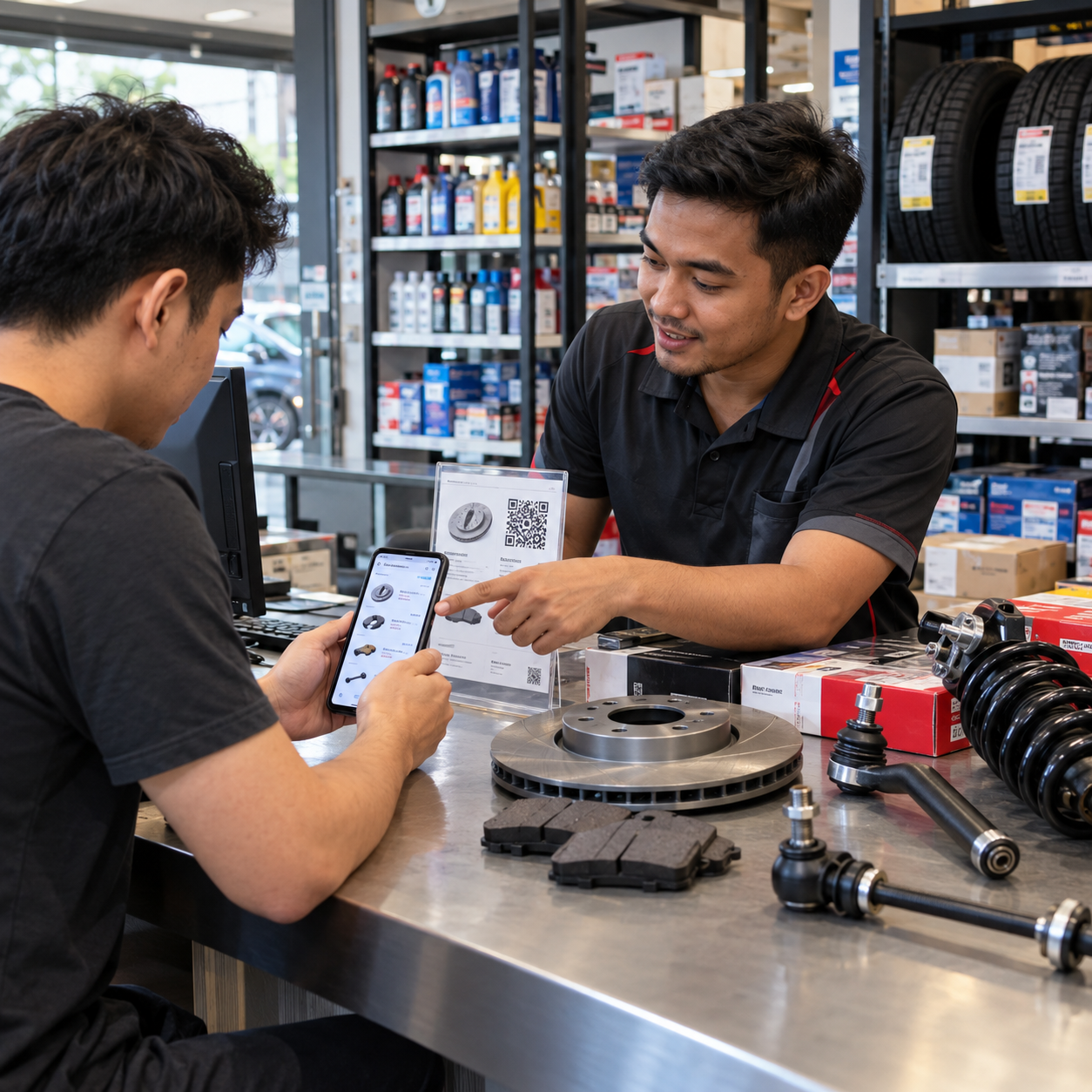
Price Transparency Is Coming to the Parts Counter. Here's What Else You Should Check
07 Oct 2026
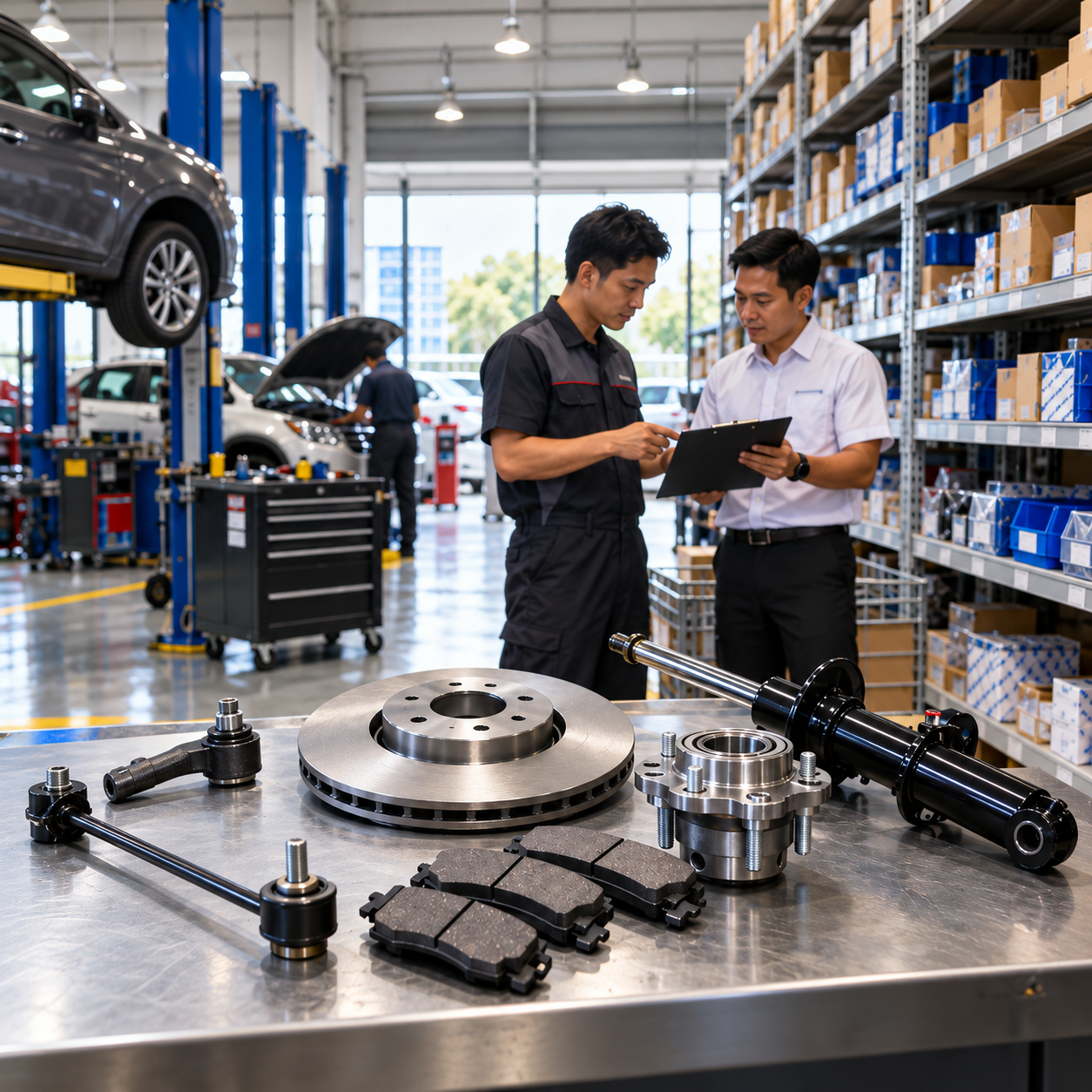
Parts Availability Is the New Aftersales Battleground. Here's Why It Matters to Every Driver
05 Oct 2026
 Whatsapp Us NowSaiko Automotive

