


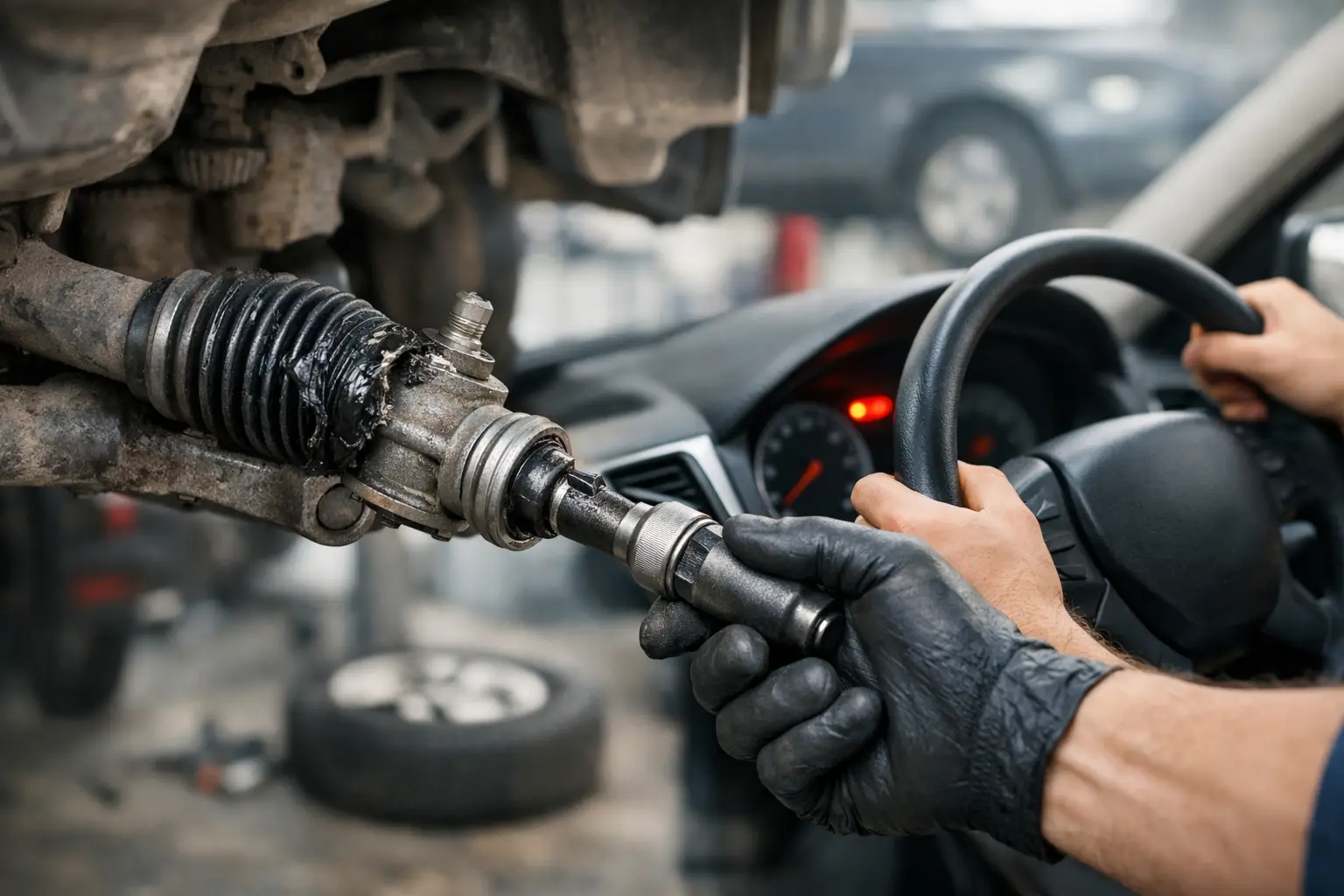
Top Signs of Steering Rack Failure
A car that suddenly feels heavy in corners, wanders on a straight road, or answers the steering wheel with a delay is not just getting older - it is signaling a fault that should be checked quickly. Among the top signs of steering rack failure, the biggest concern is that they often start small, then turn into unstable handling, uneven tire wear, and higher repair costs if ignored.
The steering rack is the part that converts steering wheel input into side-to-side movement at the wheels. In modern passenger vehicles, it also works closely with tie rod ends, rack ends, bushings, and in many cases the power steering system. When the rack begins to wear, the effect is felt directly by the driver. That is why workshops, retailers, and vehicle owners should treat steering complaints as safety issues, not minor annoyances.
A failing steering rack affects more than steering feel. It can reduce directional control, place extra stress on connected steering and suspension parts, and make alignment harder to maintain. For workshops, delayed replacement often means the customer returns later with added wear in tie rod ends, tires, or the power steering pump. For parts retailers, this is also why stable quality matters - steering components need to deliver reliable fitment and consistent performance, not just a short-term fix.
Not every symptom points to the rack alone. Similar complaints can also come from low power steering fluid, worn tie rod ends, damaged steering column joints, weak pumps, or poor wheel alignment. Still, when several symptoms appear together, the steering rack becomes a likely cause.
The earliest sign is often a change in steering effort. If the wheel suddenly feels heavier than normal, especially at low speed or during parking, the rack may be developing internal wear or fluid pressure may not be working correctly through the system. On hydraulic systems, a leak around the rack seals can reduce assist and create this heavy feel.
Another common warning is looseness in the steering. The driver turns the wheel, but the vehicle responds a moment later or feels less precise than before. Many people describe this as play in the steering wheel. While some free play can also come from outer steering parts, internal rack wear can create the same symptom, especially on higher-mileage vehicles.
Clunking or knocking from the front end during turns is also one of the top signs of steering rack failure. This noise may come from movement inside the rack assembly or from worn rack mounts that no longer hold the unit firmly in place. The sound can be easy to confuse with suspension problems, which is why proper inspection matters.
Fluid leaks are another clear warning. If a vehicle uses hydraulic power steering and there is reddish or amber fluid around the rack boots, under the front subframe, or on the ground after parking, the rack seals may be failing. A torn boot does not always mean the rack itself is bad, but fluid inside the boot usually points to an internal leak that should not be ignored.
A vehicle that drifts or wanders can also indicate rack trouble. When the steering rack no longer holds a stable center position or has inconsistent internal resistance, the car may feel unsettled on highways. Some drivers keep correcting the wheel without realizing the steering system is no longer working evenly.
For mechanics and service advisors, diagnosis should go beyond the customer complaint. Uneven steering feel from left to right is one important clue. If the steering turns smoothly in one direction but binds, jerks, or feels heavier in the other, internal rack damage may be developing.
Another sign is poor self-centering after a turn. After the wheel is released, the steering should naturally move back toward center. If it stays off-center, feels sticky, or returns slowly, the rack may have internal wear, contamination, or mechanical binding. Alignment issues can contribute, but the rack should still be checked.
Visible movement at the inner tie rod area during inspection can also reveal trouble. Excessive play where the rack connects to the steering linkage may mean the problem is in the rack end, the inner joint, or the rack assembly itself. This is where accurate inspection protects both the workshop and the customer from replacing the wrong part.
For electric power steering systems, a failing rack may not leak fluid, but symptoms can include inconsistent assist, warning lights, or abnormal steering calibration behavior. The principle is the same - the driver feels reduced control and reduced confidence behind the wheel.
Wear over time is the most common reason. Roads with potholes, repeated curb impacts, rough driving conditions, and high mileage all add load to the steering system. In markets where vehicles regularly carry passengers and cargo in stop-and-go traffic, steering components work hard every day.
Contaminated or low power steering fluid is another major cause on hydraulic systems. When fluid breaks down or drops below the correct level, lubrication and hydraulic pressure suffer. That increases internal wear on seals and moving parts.
Damaged boots also shorten rack life. The boot protects the rack from dirt, moisture, and road debris. Once torn, contamination can enter the assembly and wear the internal surfaces faster. A simple boot problem can become a complete steering rack replacement if it goes unnoticed too long.
Poor quality replacement parts can create another layer of trouble. A rack that does not meet proper material and fitment standards may install easily enough but fail early, develop noise, or produce inconsistent steering feel. For workshops and dealers, this is where dependable aftermarket quality makes a real difference in customer satisfaction and comeback reduction.
If steering effort becomes suddenly very heavy, the car pulls unpredictably, or there is major free play in the wheel, the vehicle should be inspected immediately. The same applies if there is a large fluid leak or loud knocking during every turn. These are not wait-and-see issues.
In milder cases, the vehicle may still be drivable to a workshop, but delay raises the risk of damaging related parts. A leaking rack can overwork the power steering pump. Loose steering can speed up tire wear. An unstable rack can also make alignment impossible to hold, which means the customer pays more in the long run.
A proper inspection usually starts with the basics: steering feel, fluid condition, visible leaks, rack boot condition, and play in the linkage. From there, the technician should check tie rod ends, rack ends, suspension joints, wheel alignment, and steering mounts. On electric systems, scan tool checks may also be necessary.
This matters because symptoms overlap. A car with loose steering may have worn tie rod ends, not a failed rack. A heavy steering complaint may be caused by a weak pump or low fluid. The best repair is the one backed by clear diagnosis, because that protects both safety and parts value.
When replacement is necessary, fitment accuracy and tested quality are not small details. A steering rack sits at the center of vehicle control. Choosing a quality-controlled replacement with dependable durability helps workshops install with confidence and helps drivers regain proper steering response, comfort, and road stability. That is one reason experienced buyers look for proven aftermarket suppliers with broad model coverage and consistent standards, such as Saiko.
Steering issues tend to get more expensive when ignored. What begins as a small leak or slight looseness can grow into tire wear, pump damage, poor alignment retention, and repeat workshop visits. For retailers and distributors, recommending the correct replacement at the right time supports long-term customer trust. For workshops, it reduces installation risk and helps deliver repairs that last.
Drivers do not always use technical terms, but they know when a car no longer feels stable or easy to control. If the steering feels heavier, noisier, looser, or less predictable than before, that change deserves attention. Catching the top signs of steering rack failure early is one of the simplest ways to protect safety, avoid extra cost, and keep the vehicle driving the way it should.
Recent Posts
Automotive Trade Is on the Table in the Malaysia-EU FTA. Here's Why It Matters at the Parts Counter
23 Oct 2026
The Road Transport Act Just Got Tougher. Here's What It Means for Your Car's Parts
21 Oct 2026
Drove Through Flood Water? The Parts Under Your Car That Need a Look Next
19 Oct 2026
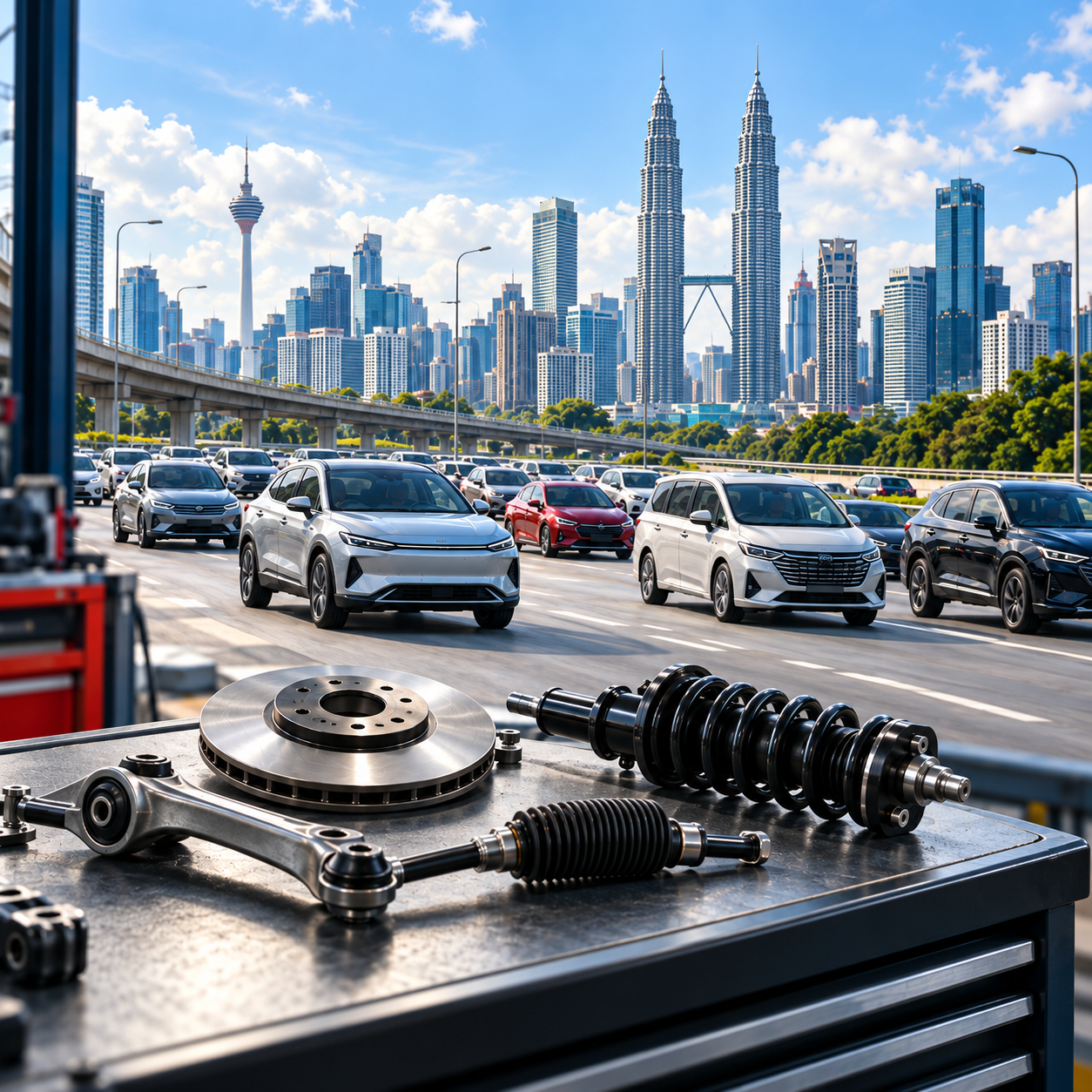
A Record Year on the Road Means a Record Year Ahead for Maintenance
12 Oct 2026
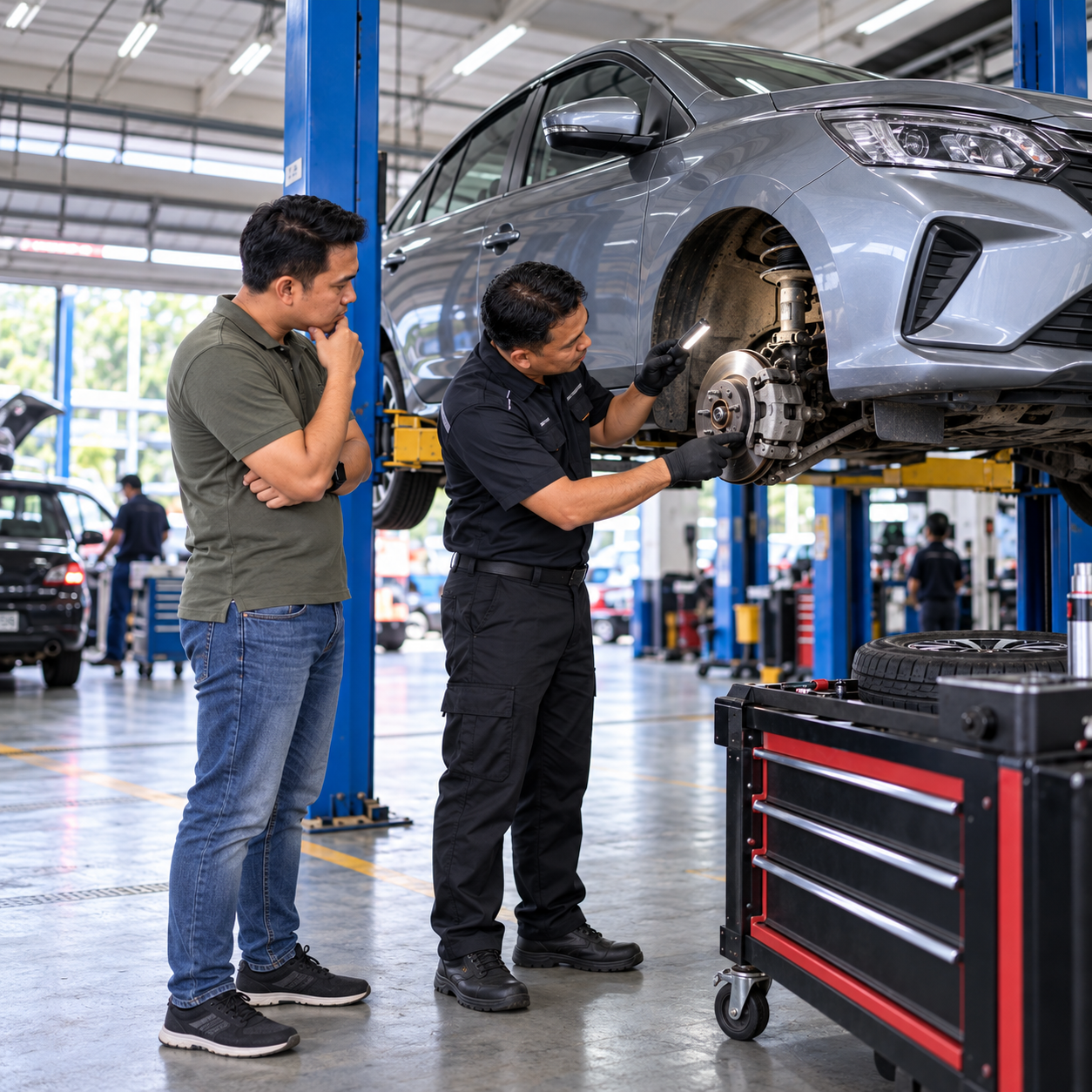
Budget 2027 Puts E-Hailing Car Maintenance on the National Agenda
12 Oct 2026
 Whatsapp Us NowSaiko Automotive

