


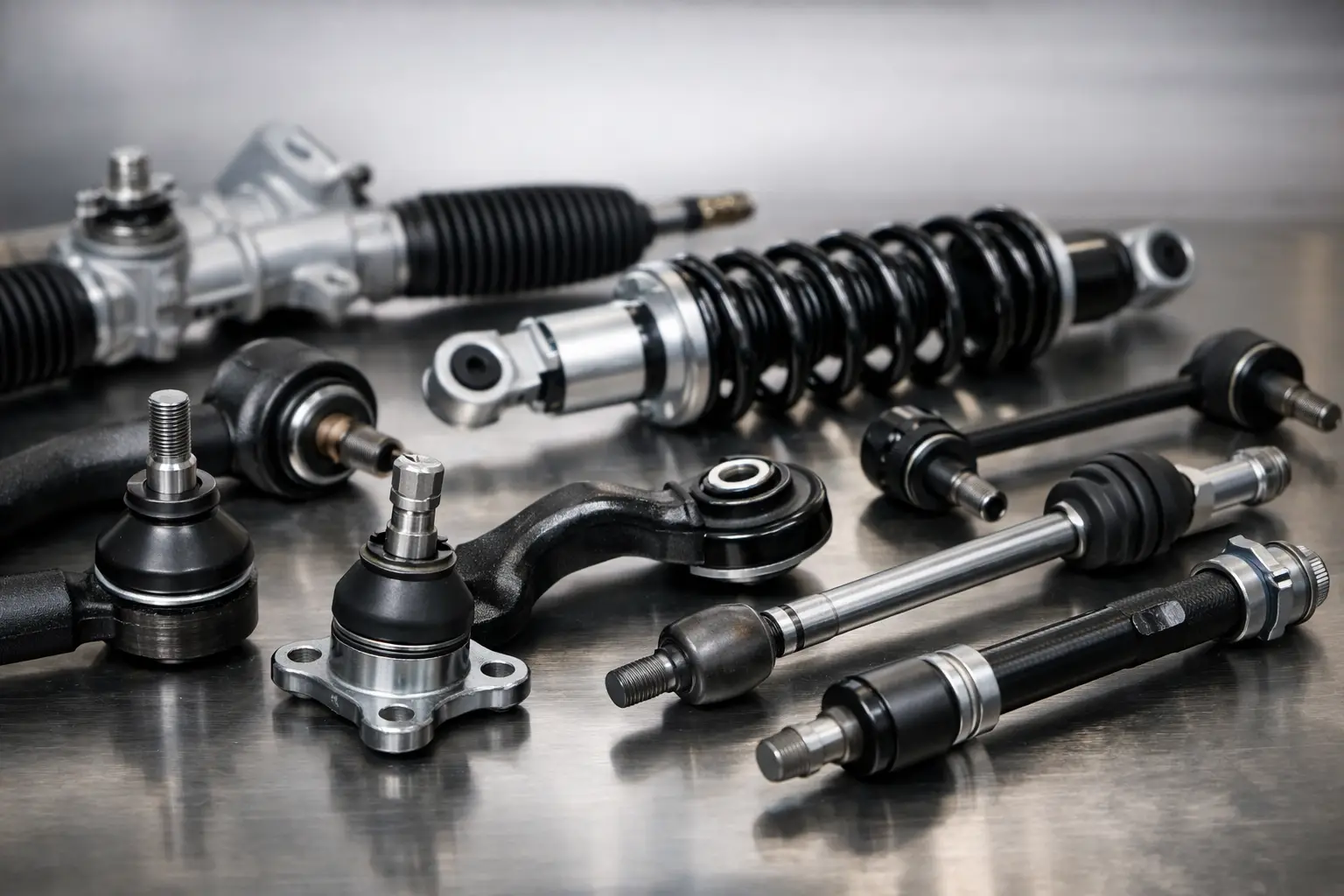
Steering Suspension Parts Guide
A car that wanders on straight roads, clunks over bumps, or chews through tires is usually telling you the same thing - the chassis is no longer working as one system. This steering suspension parts guide is built for workshops, retailers, and vehicle owners who want a clear way to understand what these parts do, how they fail, and what matters when it is time to replace them.
Steering and suspension parts do more than improve ride comfort. They hold alignment, keep tire contact consistent, support stable braking, and help the driver maintain control during lane changes, cornering, and uneven road conditions. When one part wears out, it often places extra strain on the parts around it.
That is why replacement decisions should not be based on price alone. A lower-quality component may fit the vehicle, but poor material quality, weak sealing, or inconsistent dimensions can shorten service life and lead to repeat jobs. For workshops, that means wasted labor time and unhappy customers. For retailers, it means more returns and less confidence. For daily drivers, it means a car that still does not feel right even after repair.
A useful steering suspension parts guide starts with the core components most commonly inspected and replaced.
Control arms connect the wheel assembly to the chassis and allow controlled up-and-down movement. Ball joints act as pivot points within that motion while maintaining steering movement. If a control arm bushing cracks or a ball joint develops play, the vehicle may knock over bumps, drift under braking, or wear tires unevenly.
In many modern applications, the ball joint is integrated with the control arm assembly. That can simplify replacement, but it also means choosing the correct assembly is critical. Good fitment and proper material strength make a real difference here because these parts handle constant load and road shock.
Tie rod ends and rack ends transfer steering input from the steering rack to the wheels. When these parts wear, steering response becomes loose, vague, or delayed. Drivers may notice a steering wheel that no longer feels centered, or a front end that needs constant correction on the highway.
These are not parts to ignore. Even slight play can affect alignment and tire wear, and severe wear can become a serious safety issue. Workshops often inspect tie rod ends and rack ends together because wear in one area can mask or accelerate wear in another.
The steering rack is the heart of the steering system. It converts steering wheel movement into side-to-side motion at the wheels. A worn steering rack may show up as stiffness, fluid leakage in hydraulic systems, internal knocking, or poor steering return.
Not every steering complaint points directly to the rack. Sometimes the issue comes from worn inner steering parts, mounts, or suspension geometry. That is why diagnosis matters. Replacing the rack without checking surrounding components can leave the original problem unresolved.
Shock absorbers control spring movement. They do not carry the vehicle weight by themselves, but they manage rebound and compression so the tires stay planted and the ride remains controlled. When shocks wear out, the vehicle may bounce excessively, dive during braking, squat under acceleration, or feel unstable on rough roads.
Strut mounts support the upper end of the strut assembly and often include a bearing surface for steering rotation. When strut mounts wear, drivers may hear creaks or knocks during turning, or feel rough steering action. Replacing worn shocks without checking strut mounts is a common shortcut that can limit the benefit of the repair.
Stabilizer links connect the sway bar to the suspension and help reduce body roll during cornering. They are relatively small parts, but when they wear, they often create noticeable rattling or knocking over uneven surfaces.
Because stabilizer links are exposed to road splash, heat, and constant movement, boot quality and joint sealing matter. A low-cost part may solve the noise briefly but fail early if the joint protection is weak.
Wheel hubs and bearings support wheel rotation while carrying vehicle weight. A worn hub bearing may produce humming, grinding, or vibration that increases with speed. In advanced wear cases, it can affect steering stability and braking feel.
This is one area where precision matters greatly. Tolerances, heat treatment, and bearing quality directly affect durability and noise performance. An inaccurate or poor-quality bearing can create repeat complaints even if installation is correct.
Most steering and suspension problems do not appear all at once. They build gradually. Drivers get used to the change, which is why routine inspection is valuable.
Watch for uneven tire wear, steering looseness, front-end noises, vibration through the steering wheel, body roll that feels excessive, nose-diving under braking, or a vehicle that pulls to one side. A single symptom can come from several different parts, so proper inspection should always come before replacement.
It also depends on how the vehicle is used. City driving with speed bumps, potholes, and frequent turning can wear certain components faster than long-distance highway use. Load conditions matter too. Vehicles that regularly carry passengers or cargo may put more stress on shocks, bushings, and hubs.
A reliable steering suspension parts guide should also help buyers judge part quality, not just identify part names.
Fitment accuracy should come first. If dimensions, mounting points, taper angles, or thread quality are off, installation becomes difficult and alignment can be compromised. A part that fits correctly saves labor time and reduces the risk of comebacks.
Material quality is just as important. Control arms need strength and consistent construction. Ball joints and tie rod ends need durable housings, smooth articulation, and effective sealing. Shock absorbers need stable damping performance, while bearings need precision manufacturing and proper lubrication.
Testing and quality control are strong indicators of long-term value. OE-standard testing, product consistency, and reliable market coverage matter more than chasing the lowest unit cost. That is especially true for workshops and distributors serving a broad vehicle mix. A trusted supplier with wide model coverage can simplify sourcing and improve service speed. This is where a brand such as Saiko stands out, especially for businesses that need dependable aftermarket parts across Japanese, Korean, local Malaysian, and other popular passenger vehicle applications.
This is where practical judgment matters. Not every repair requires replacing everything at once, but replacing parts in isolation is not always the most economical decision either.
If one stabilizer link has failed and the opposite side shows similar wear, replacing both sides usually makes sense. If one shock absorber is weak, replacing shocks in pairs helps preserve balanced handling. If a ball joint has worn because the control arm bushing is also deteriorated, changing the full assembly may be the smarter labor-saving option.
There is a trade-off. A single-part replacement lowers the immediate bill, but it can leave other worn components in place. A broader repair costs more upfront but may restore the vehicle more completely and reduce repeat alignment or handling complaints. The right choice depends on vehicle age, mileage, usage, and customer budget.
Even a quality part can underperform if the job is rushed. Correct torque settings, proper seating, and alignment after steering or suspension work are essential. Rubber-bushed parts should be tightened in the correct suspension position. Bearings need proper handling during installation. Steering components should always be checked for free movement and secure locking.
After replacement, a road test helps confirm that the original symptom is gone and no secondary issue remains. For workshops, this is part of protecting reputation. For drivers, it is the difference between a repair that feels complete and one that still leaves doubt.
The best buying decision is rarely the cheapest box on the shelf. It is the part that delivers accurate fitment, stable performance, and service life that matches real driving conditions. That matters whether you are stocking fast-moving items for resale, fitting parts in a busy workshop, or repairing your family car.
A dependable steering and suspension system gives drivers something simple but essential - confidence. When the vehicle tracks straight, responds cleanly, and stays composed over rough roads, you feel the value of the right parts every day. Choose components with proven quality, install them properly, and the vehicle will tell you the difference on the first drive.
Recent Posts
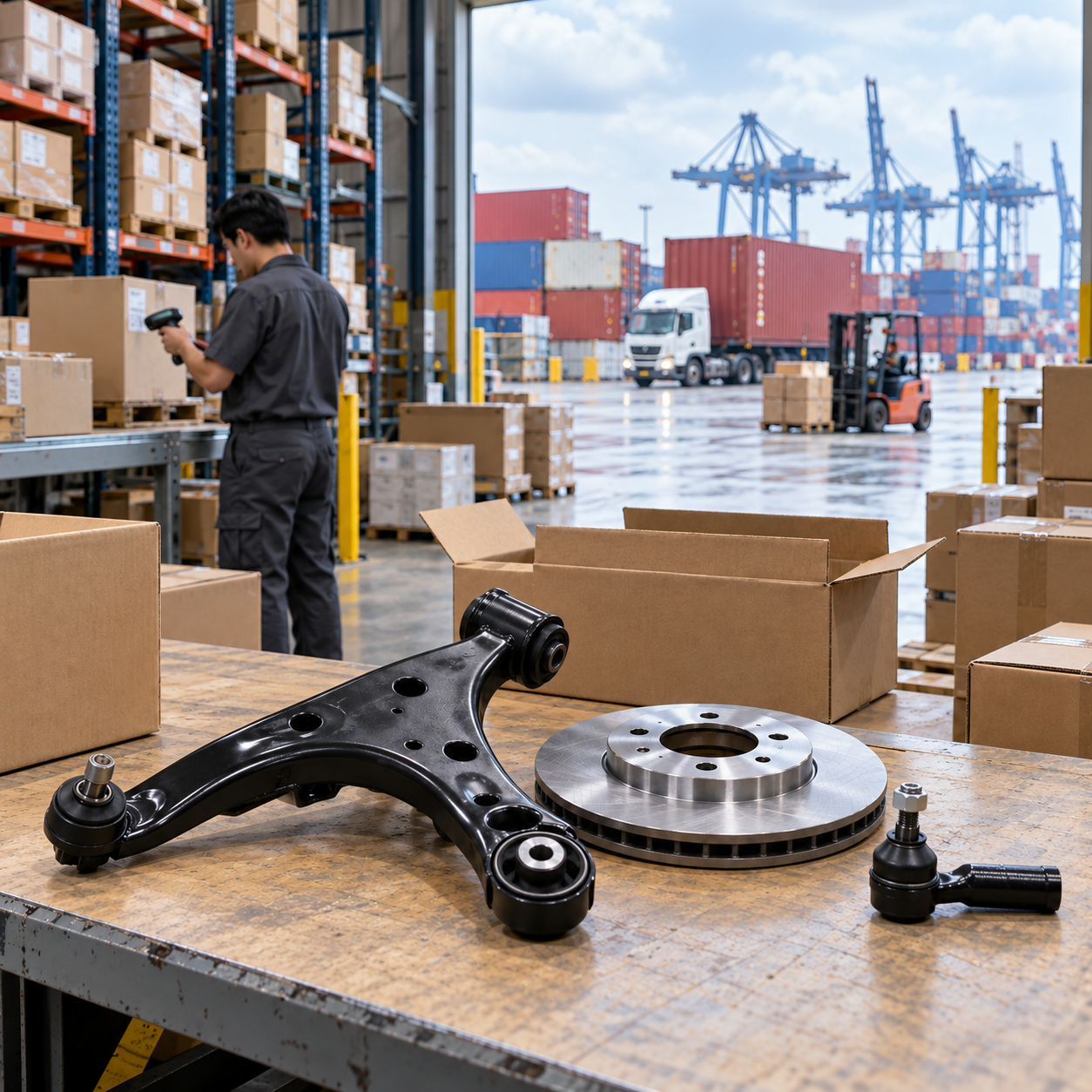
Automotive Trade Is on the Table in the Malaysia-EU FTA. Here's Why It Matters at the Parts Counter
23 Oct 2026
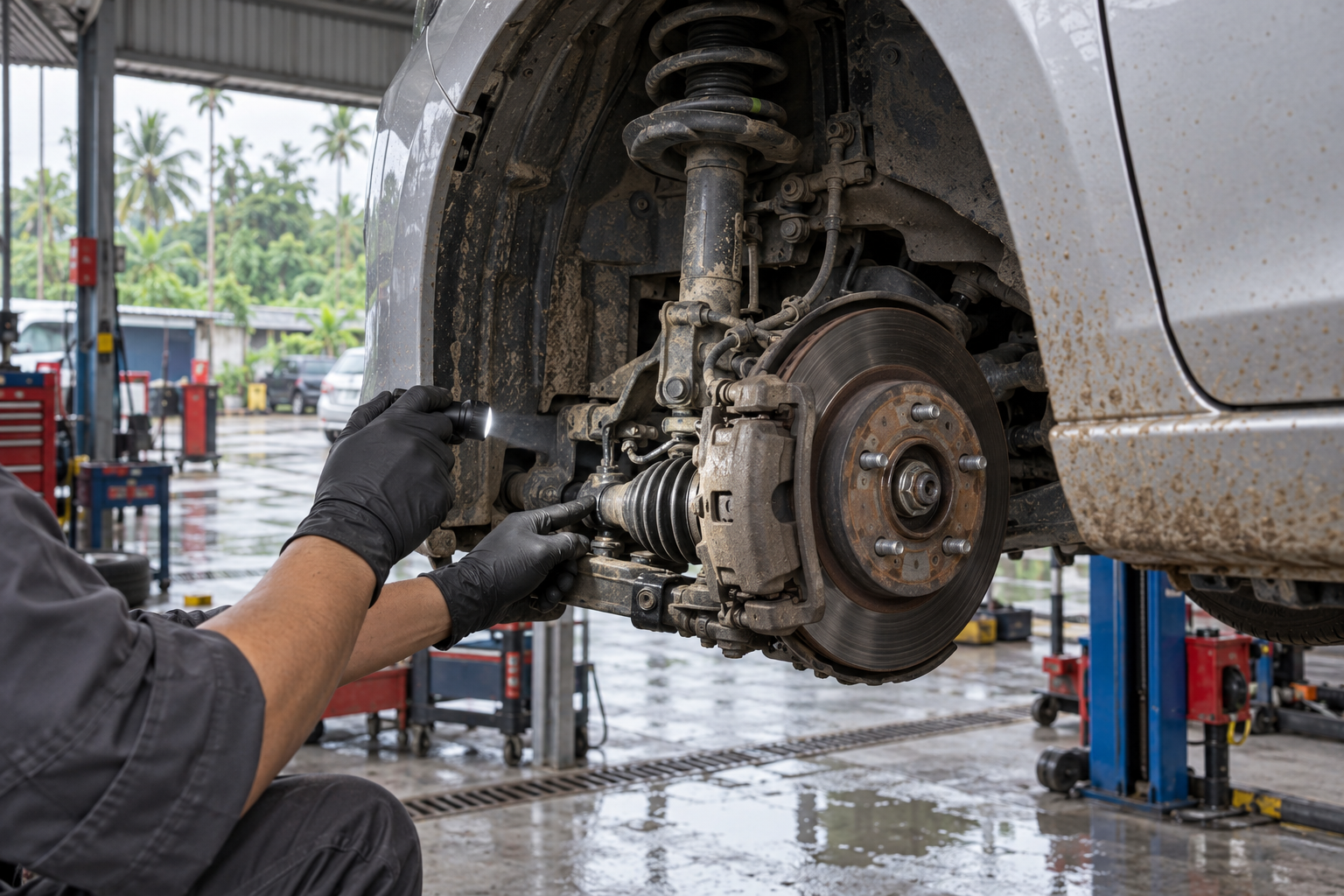
The Road Transport Act Just Got Tougher. Here's What It Means for Your Car's Parts
21 Oct 2026
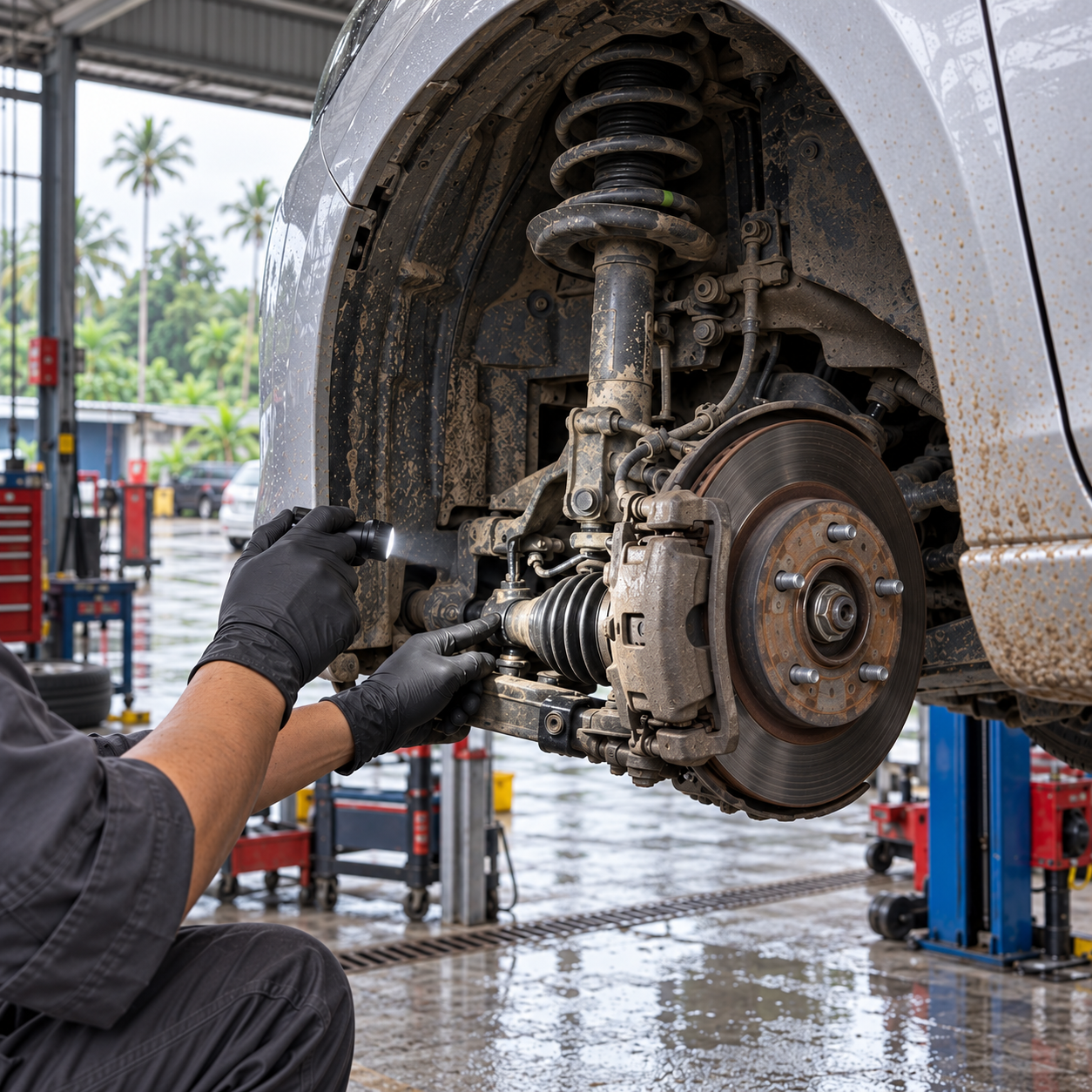
Drove Through Flood Water? The Parts Under Your Car That Need a Look Next
19 Oct 2026
A Record Year on the Road Means a Record Year Ahead for Maintenance
12 Oct 2026
Budget 2027 Puts E-Hailing Car Maintenance on the National Agenda
12 Oct 2026
 Whatsapp Us NowSaiko Automotive

