


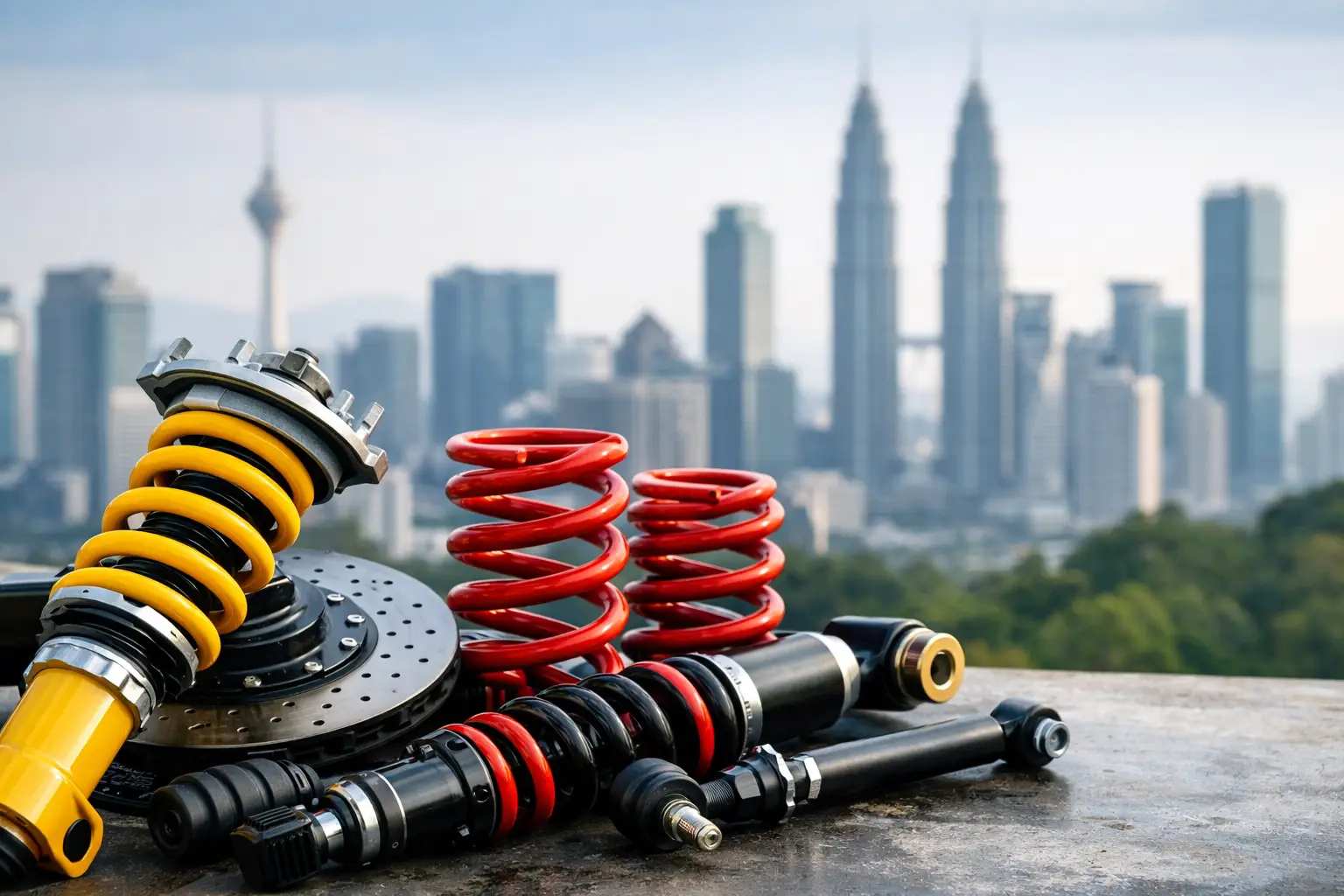
Choosing a Suspension Parts Supplier Malaysia
A comeback job usually starts with a small complaint. A clunk over bumps, uneven tire wear, vague steering, or a ride that feels harsher than it should. For workshops and parts buyers, those symptoms point to the same question fast: which suspension parts supplier Malaysia businesses can rely on for consistent quality, correct fitment, and stock that is actually available when needed?
That question matters because suspension work is rarely just about replacing one part. A worn stabilizer link may come with tired strut mounts. A failed ball joint may show up alongside control arm bushing wear. If the replacement parts are inconsistent, the repair takes longer, alignment results suffer, and the customer may come back with noise or handling issues. A dependable supplier helps prevent that by making quality, coverage, and support more predictable from the start.
Price always matters, but suspension parts are not a category where the lowest number tells the full story. Workshops need parts that install correctly the first time, because labor time is expensive and vehicle downtime affects customer trust. Retailers need fast-moving items with steady demand, low complaint rates, and coverage across the vehicle models people actually drive every day.
For everyday drivers, the priorities are simpler but no less important. They want a car that feels stable, steers properly, rides comfortably, and stays safe in daily traffic. That means the supplier behind the parts matters almost as much as the part itself. If the supply chain is unreliable, even a good workshop can struggle to deliver a smooth repair experience.
A strong supplier should offer more than a product catalog. It should give buyers confidence in fitment, product consistency, and availability across major vehicle segments. In Malaysia, that means broad support for local brands, Japanese and Korean models, and selected international makes that remain common in the aftermarket.
Suspension components carry a bigger responsibility than many drivers realize. Control arms, ball joints, shock absorbers, stabilizer links, strut mounts, tie rod ends, and related components all affect how a vehicle handles load transfer, road shock, steering response, and braking stability. When one of these parts wears out, the problem may show up as discomfort first, but the real impact often reaches safety and tire life as well.
A poor-quality replacement part can create problems even if it seems acceptable on day one. Rubber may degrade too quickly. Metal tolerances may not hold up under daily use. Mounting points may not align cleanly, forcing extra installation effort or creating premature wear after assembly. That is why workshops tend to value suppliers that emphasize OE-standard testing and quality control rather than simply offering the cheapest option in the market.
There is also a business side to this. A workshop that installs dependable parts protects its reputation. A retailer that stocks proven lines reduces return issues and builds repeat sales. In both cases, better product consistency usually leads to better long-term value, even if the initial unit cost is not the lowest on the shelf.
The first thing to look at is product range. Suspension repair rarely happens in isolation, so coverage matters. A supplier with strong depth in control arms, shock absorbers, strut mounts, stabilizer links, tie rod ends, rack ends, ball joints, wheel hubs, and hub bearings can support more complete jobs and reduce the need to source from multiple places.
The second is vehicle coverage. A narrow catalog may work for a specialist business, but most workshops and retailers need practical breadth. A supplier that supports a wide mix of local Malaysian, Japanese, Korean, and other popular passenger vehicles is better positioned to serve daily market demand. Broad coverage also helps businesses manage inventory more efficiently because they can consolidate purchases with a source that understands the local vehicle mix.
Third is quality control. This is where many suppliers sound similar, so buyers should look past generic claims. What matters is whether the brand has a track record of consistent manufacturing standards, OE-standard testing, and inspection processes that help reduce variation between batches. In suspension parts, consistency is not a bonus. It is what makes fitment and service life more predictable.
The fourth point is distribution strength. Even a good product loses value if stock is hard to get. A supplier with a solid nationwide distribution network can support workshops, dealers, and retailers more effectively, especially when demand spikes for common replacement items. Availability helps businesses keep vehicles moving and avoid long waiting times for customers.
Many buyers have faced this situation. A lower-priced suspension part looks attractive at the counter, especially when customers are price-sensitive. But if installation takes longer, alignment results are inconsistent, or the part fails earlier than expected, the real cost rises quickly. The workshop absorbs extra labor pressure, the retailer manages complaints, and the driver loses confidence.
That does not mean the most expensive option is automatically the right one. In the aftermarket, value comes from the balance of price, durability, fitment accuracy, and availability. A dependable supplier understands this balance and builds its offering around practical market needs rather than premium pricing alone.
This is where established aftermarket brands tend to stand out. When a supplier has spent years building category depth and supporting everyday repair demand, it is usually better equipped to deliver the combination buyers actually need: reliable parts, competitive pricing, and broad application coverage. That balance is especially useful for workshops handling routine service work where time, trust, and turnaround matter every day.
A supplier with wide coverage can support more than just emergency replacement demand. It helps workshops quote faster, helps retailers stock smarter, and helps distributors serve a more varied customer base without overcomplicating procurement. That matters in a market where one day may bring a local compact car, the next a Japanese sedan, and then a Korean SUV.
Broad coverage also supports consistency in purchasing. If buyers can source multiple suspension and steering-related components from one dependable supplier, they simplify inventory planning and reduce the risk of mixing unknown quality levels across the same repair. That creates a cleaner buying process and often a better service outcome.
For businesses, there is another advantage. A supplier with strong market coverage is often closer to real-world demand trends. It knows which models move, which parts turn quickly, and where replacement patterns are strongest. That kind of understanding supports better stocking decisions and fewer dead items on the shelf.
Good support is not just about answering a question when something goes wrong. It starts earlier, with accessible product information, clear catalog structure, and part availability that helps workshops and retailers make decisions quickly. In suspension categories, fitment confidence saves time before the box is even opened.
Support also means stability. Buyers want to know the supplier will still be there, still carrying the line, and still standing behind product quality over time. In the automotive aftermarket, longevity matters because trust is built through repeat orders, repeat installs, and repeat customer satisfaction.
An established Malaysian aftermarket brand like Saiko reflects that kind of dependability through wide product coverage, quality-controlled replacement parts, and a nationwide dealer and distributor footprint that supports workshops, retailers, and parts buyers across the country. That combination matters because suspension repairs are too common and too important to leave to uncertain supply.
The best supplier choice depends on what your business needs most. A high-volume retailer may focus on turnover and breadth. A workshop may care most about fitment accuracy and fewer installation issues. A car owner may simply want a safe, durable repair that does not create another problem a few months later. Different priorities, same outcome: dependable suspension parts that perform as expected.
That is why choosing a suspension supplier should never be treated as a simple price comparison. The better question is whether the supplier can help you maintain standards across quality, coverage, and availability without pushing costs beyond what the market can support. When those factors are aligned, repairs go smoother, customers feel the difference on the road, and businesses build stronger long-term trust.
If you are evaluating your next source, look for the supplier that makes daily work easier, not just cheaper. The right one helps every repair feel more certain from the first diagnosis to the final test drive.
Recent Posts
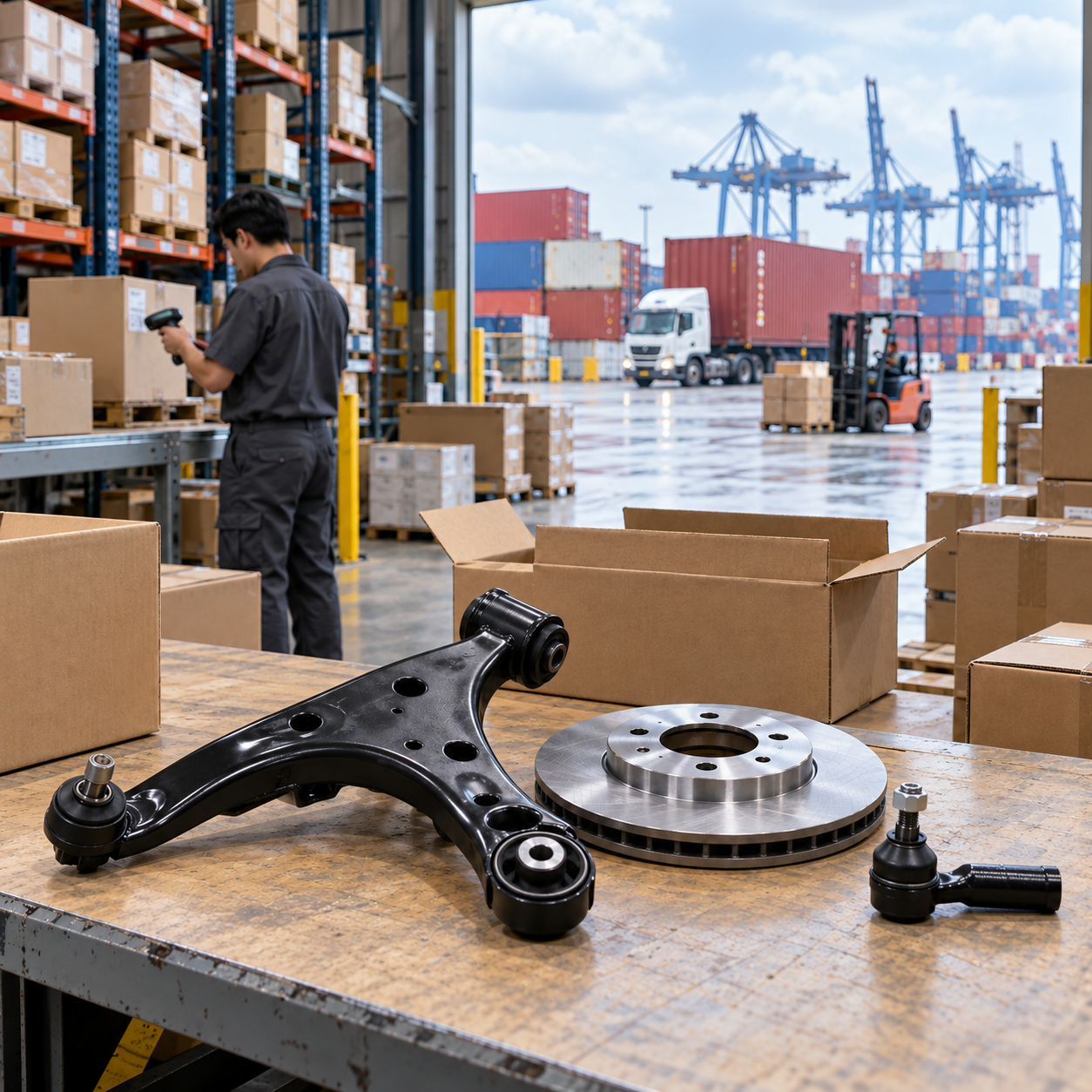
Automotive Trade Is on the Table in the Malaysia-EU FTA. Here's Why It Matters at the Parts Counter
23 Oct 2026
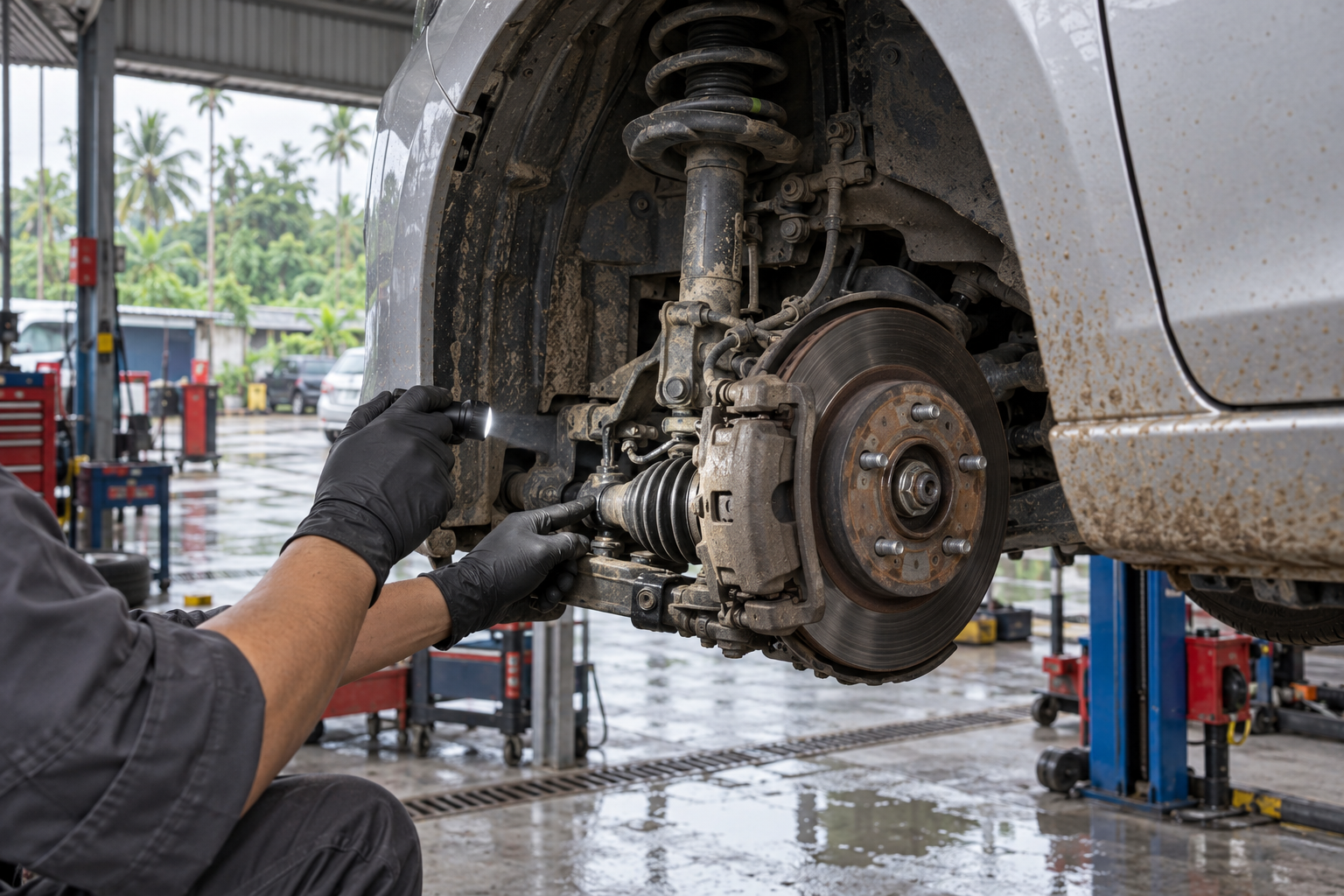
The Road Transport Act Just Got Tougher. Here's What It Means for Your Car's Parts
21 Oct 2026
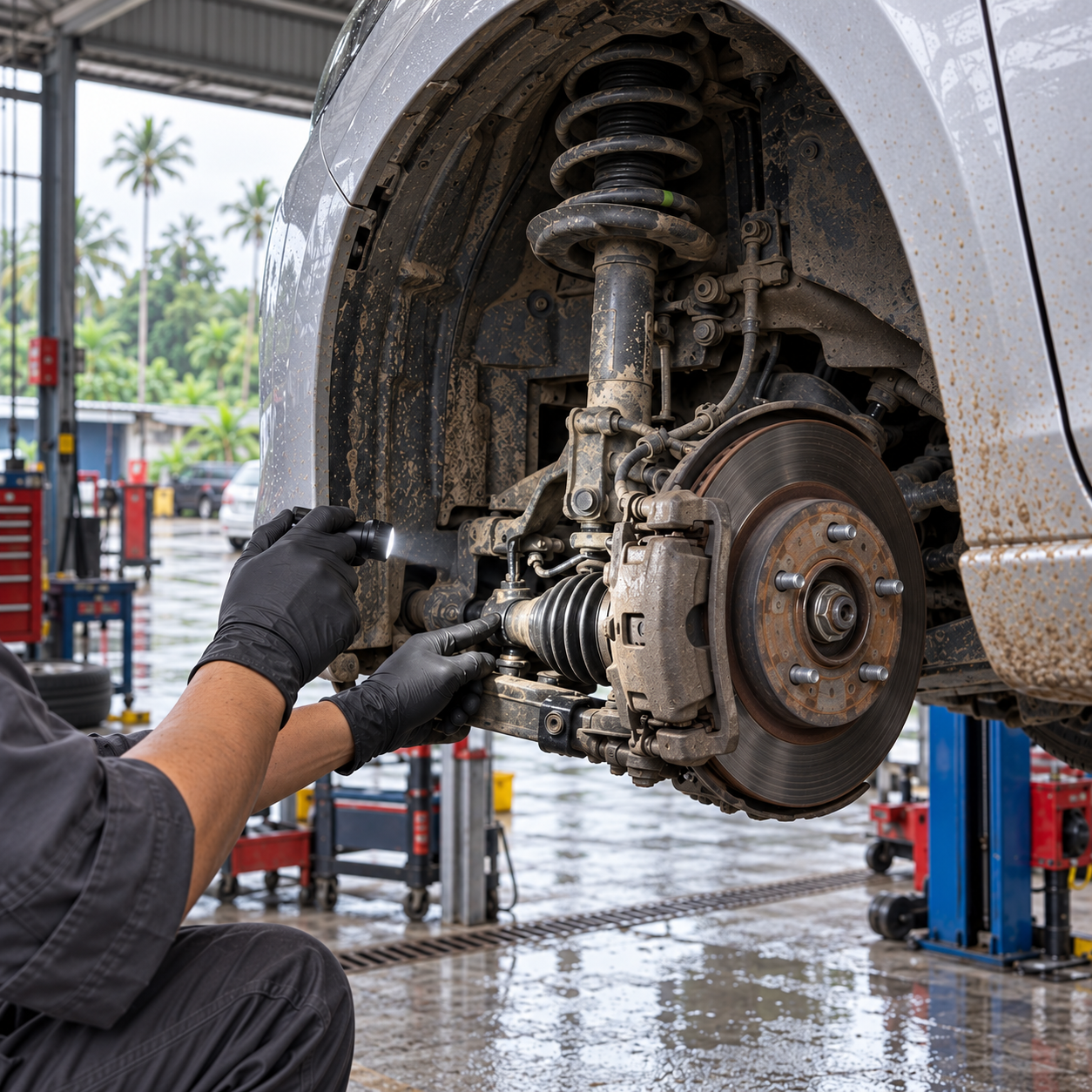
Drove Through Flood Water? The Parts Under Your Car That Need a Look Next
19 Oct 2026
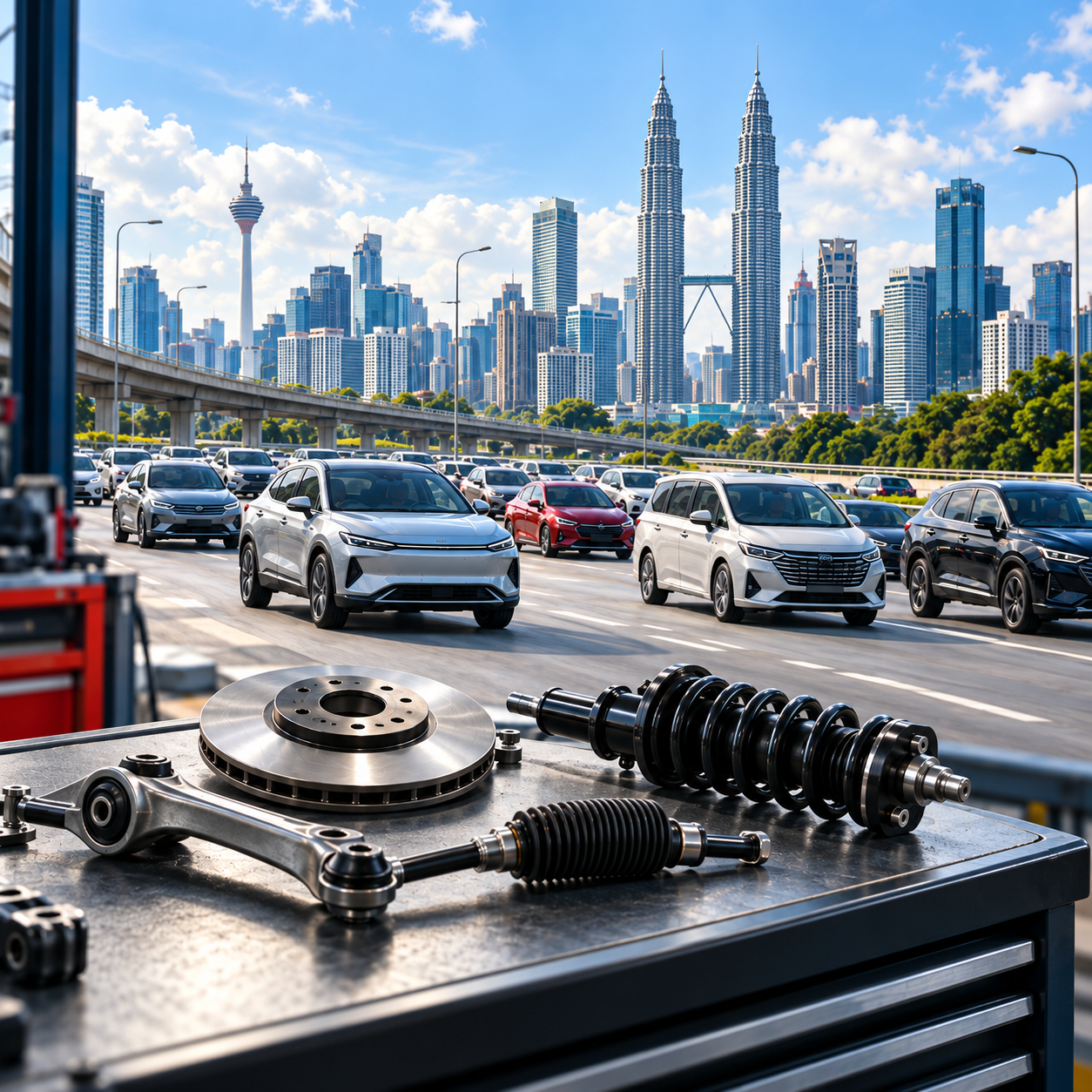
A Record Year on the Road Means a Record Year Ahead for Maintenance
12 Oct 2026
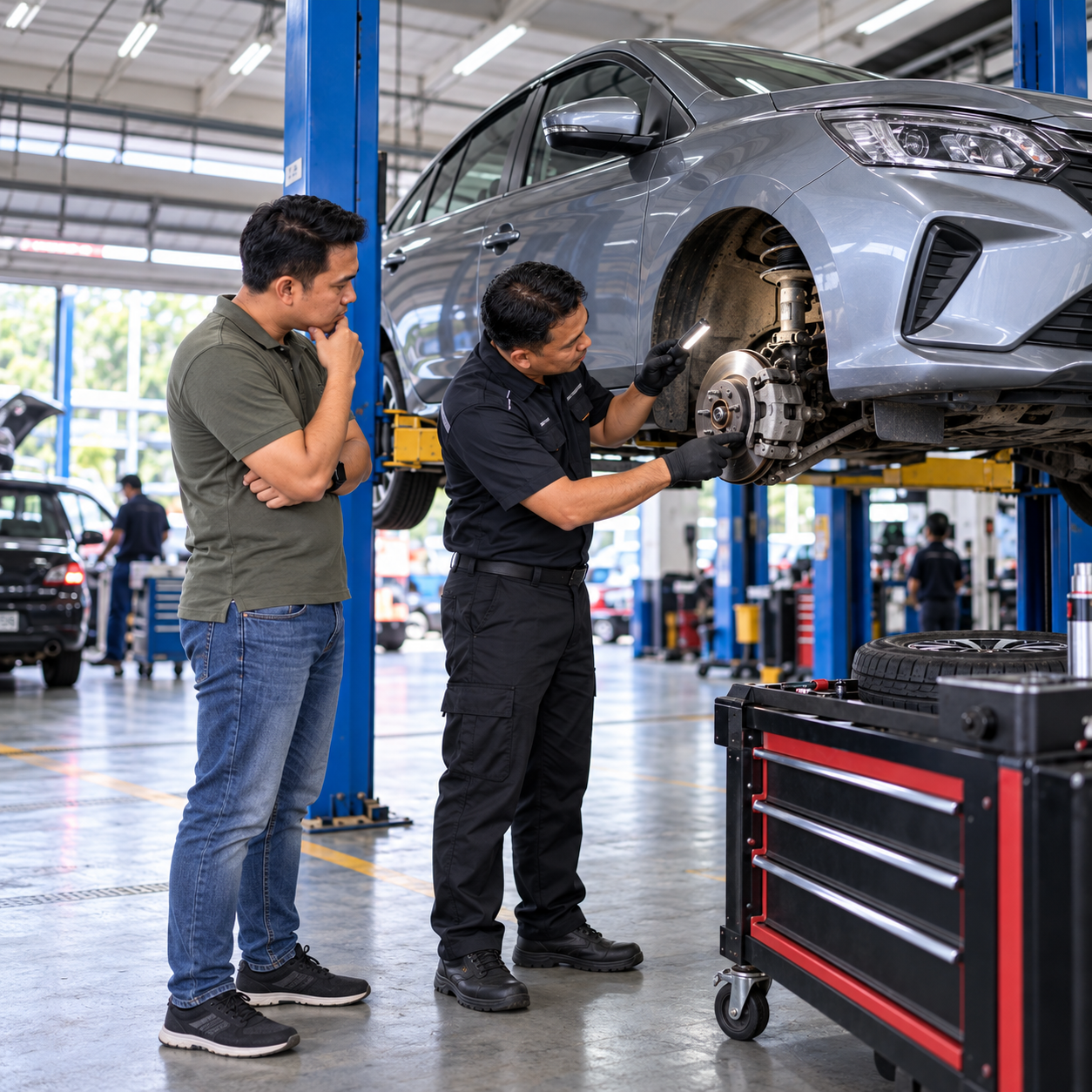
Budget 2027 Puts E-Hailing Car Maintenance on the National Agenda
12 Oct 2026
 Whatsapp Us NowSaiko Automotive

