


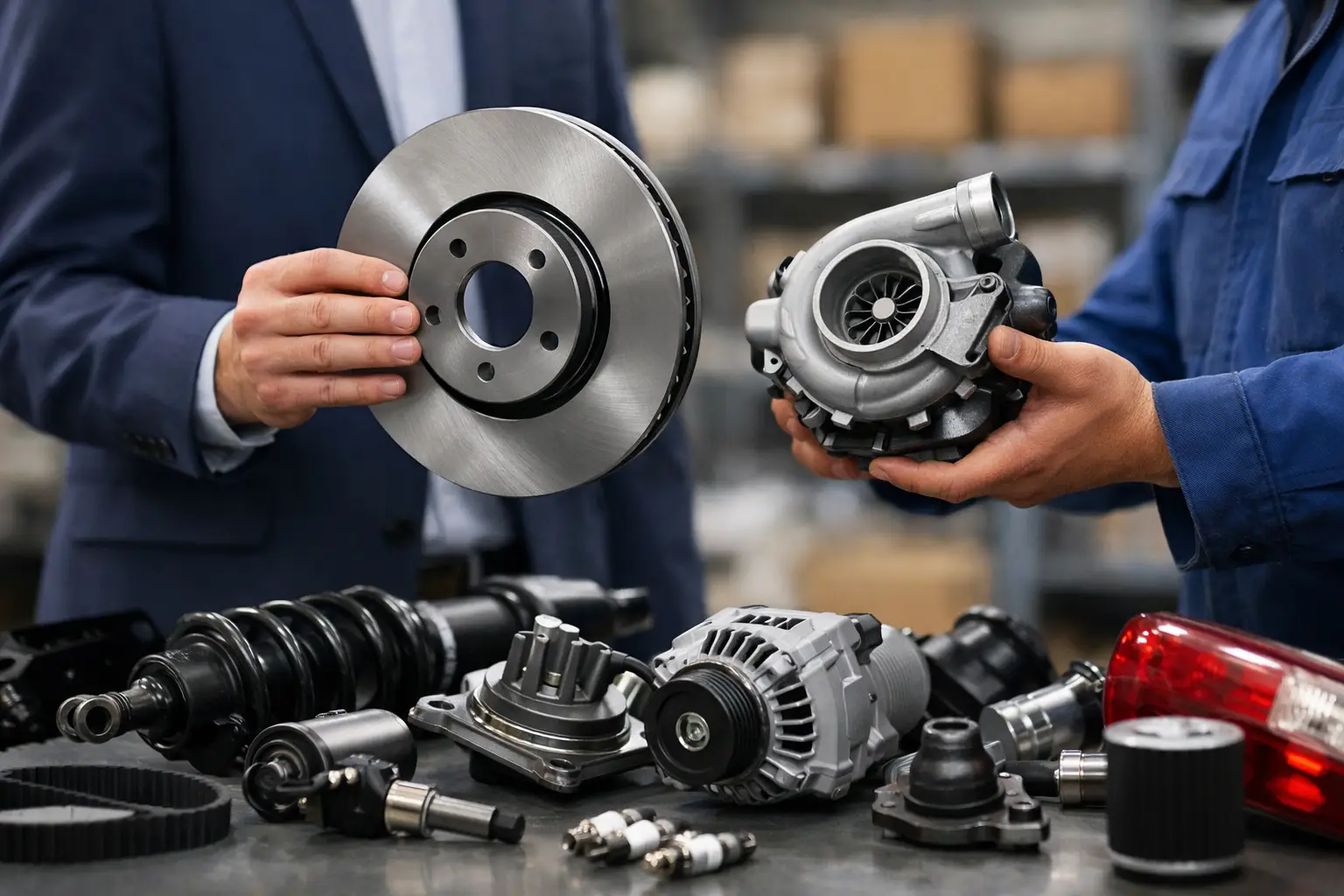
Choosing an Automotive Spare Parts Supplier
A part that fits on paper but fails on the road costs more than the price on the box. For workshops, it means rework, unhappy customers, and lost time on the service bay. For retailers, it means returns and damaged trust. For drivers, it means another repair too soon. That is why choosing the right automotive spare parts supplier is not just a purchasing decision. It is a business decision and, in many cases, a safety decision.
In the aftermarket, price always gets attention first. But experienced buyers know that low pricing alone rarely holds up if the part has inconsistent fitment, weak durability, or unstable supply. A dependable supplier helps you avoid those problems by delivering parts that are built to perform, tested to a consistent standard, and available across the vehicle models your customers actually drive.
A strong supplier does more than sell parts. The real value is in consistency. That starts with product quality, but it also includes catalog coverage, inventory depth, technical clarity, and after-sales support. If one of those areas is weak, the rest of the supply chain feels it.
For workshops, accurate fitment matters because installation time affects daily productivity. A control arm or tie rod end that lines up properly reduces delays and lowers the risk of repeat work. For retailers and distributors, stable quality matters because repeat sales depend on customer confidence. If one batch performs well and the next does not, your reputation absorbs the difference.
Market coverage is another major factor. A supplier with a narrow range may be fine for a specialist operation, but most workshops and parts businesses serve a mixed vehicle population. In practical terms, that means local Malaysian models, Japanese brands, Korean brands, and selected international makes. Broader coverage makes ordering simpler and helps buyers consolidate more of their demand with one source.
The aftermarket is full of quality claims, but buyers should look at how quality is supported, not just how it is described. OE-standard testing, production controls, and product inspection all matter because they reduce variation from one unit to the next. That is especially important for parts that affect handling, braking, drivability, and long-term wear.
Consider steering and suspension components such as rack ends, tie rod ends, stabilizer links, ball joints, and strut mounts. These are not cosmetic items. Drivers feel their condition every day through steering response, ride control, road noise, and overall confidence behind the wheel. If a part wears prematurely or does not fit precisely, the impact is immediate.
The same logic applies to drivetrain and braking parts. A drive shaft, wheel hub, hub bearing, or brake component has to perform under load, heat, and repeated use. Good aftermarket parts should not simply be cheaper alternatives. They should be practical replacements that deliver stable performance and dependable service life for real-world driving conditions.
This is where a quality-controlled supplier stands apart. The difference is not always visible at the counter, but it becomes obvious over months of use. Fewer comebacks, fewer warranty headaches, and more repeat customers usually point back to the quality of the product itself.
A supplier with strong range coverage helps businesses work faster and sell smarter. If you can source steering, suspension, drivetrain, braking, and engine-timing parts from the same supplier, purchasing becomes more efficient. You spend less time splitting orders and less effort chasing multiple vendors for one job.
That convenience has a direct commercial benefit. Workshops can quote repairs with more confidence when they know the required parts are available from one dependable source. Retailers can serve a wider customer base when the catalog covers fast-moving applications across many brands and models. Dealers and distributors can build stronger local demand when the supplier supports a broad portfolio rather than just a few categories.
It also helps with forecasting. Some parts move steadily, like brake and suspension items. Others may be more application-specific, such as timing chain kits or steering racks. A supplier that understands category demand and keeps coverage aligned with the local car parc becomes more useful over time. That kind of range planning is one reason established aftermarket brands tend to stay relevant.
Every buyer has to manage cost. That is true for workshop owners protecting margins, retailers competing in a crowded market, and drivers trying to keep repair bills reasonable. But the cheapest part is not always the lowest-cost choice.
If a low-cost component creates installation problems, fails early, or leads to customer complaints, the total cost rises quickly. Labor is wasted. Vehicles return. Counter staff spend time resolving issues instead of selling. Even when the supplier replaces the item, the disruption remains.
A better standard is value for money. That means a part should deliver dependable performance at a competitive price, without pushing buyers into premium pricing that the market will not accept. This balance is where a dependable aftermarket supplier adds real commercial value. The goal is not to be the cheapest option on the shelf. The goal is to be the option buyers trust to perform consistently while still making business sense.
Even a good product range loses value if stock is inconsistent or hard to access. Availability matters because repairs are time-sensitive. A vehicle sitting in a workshop bay waiting for parts ties up labor and space. A retailer who cannot fulfill common demand risks losing customers to a competitor.
This is why distribution footprint is a serious advantage. A supplier with strong dealer and distributor coverage can serve the market more reliably than one with limited reach. In practical terms, wider distribution shortens waiting time, improves stock accessibility, and supports business continuity across regions.
Support matters too, although it is often underestimated. Buyers need confidence that the part number is correct, the application is clear, and the product category is backed by a supplier that understands aftermarket demand. Technical accessibility does not have to mean complexity. It means making the buying process clearer, faster, and more accurate.
For a business such as Saiko, built around broad market coverage and a nationwide distribution network, that support model is part of the value proposition. The product matters first, but the ability to keep parts moving through the market matters almost as much.
The right benchmark depends on who is buying, but the core questions are similar. Workshops should ask whether the supplier helps reduce installation issues and repeat repairs. Retailers should ask whether the range includes fast-moving lines with stable quality and healthy repeat demand. Drivers should ask whether the parts offer a sensible mix of safety, durability, and price.
There is also a practical difference between a supplier that looks strong in a catalog and one that performs well over time. A good test is category depth. Can the supplier cover major wear-and-tear needs across different makes, or only a handful of items? Another test is consistency. Can buyers expect the same standard across control arms, shock absorbers, wheel hubs, timing chain kits, and brake parts, or does quality vary by line?
Then there is credibility. A longstanding supplier with real market presence usually has stronger insight into local demand, fitment trends, and stock planning. That does not guarantee every part is perfect, but it does suggest the business has built trust by delivering over time rather than chasing short-term sales.
If you are buying for a workshop or parts business, the supplier you choose affects more than your inventory. It shapes your service speed, your customer satisfaction, and your ability to grow without adding unnecessary risk. A dependable automotive spare parts supplier supports that growth by giving you stable quality, broad vehicle coverage, and supply confidence across key product categories.
That matters in a market where buyers want more for less. They expect reliable braking, stable steering, quieter suspension performance, and durable drivetrain components without paying dealer-level prices. Meeting that expectation takes more than a warehouse full of boxes. It takes a supplier that understands how aftermarket parts are judged in the real world - by fitment, durability, availability, and trust.
The best choice is usually not the supplier with the loudest claims. It is the one that helps your business run with fewer interruptions and gives drivers more confidence every time the car goes back on the road. Choose on that basis, and the results tend to hold up where it counts most.
Recent Posts
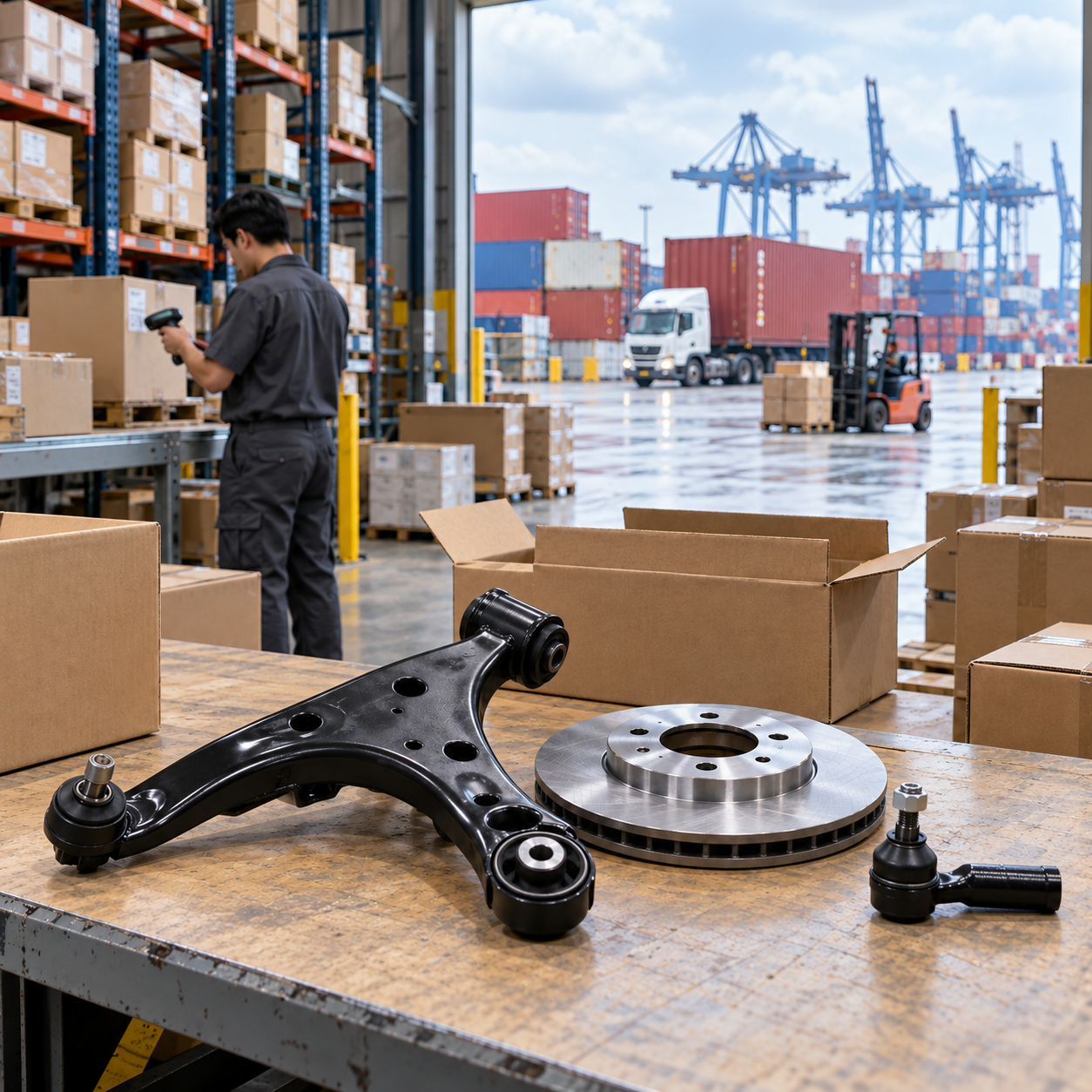
Automotive Trade Is on the Table in the Malaysia-EU FTA. Here's Why It Matters at the Parts Counter
23 Oct 2026
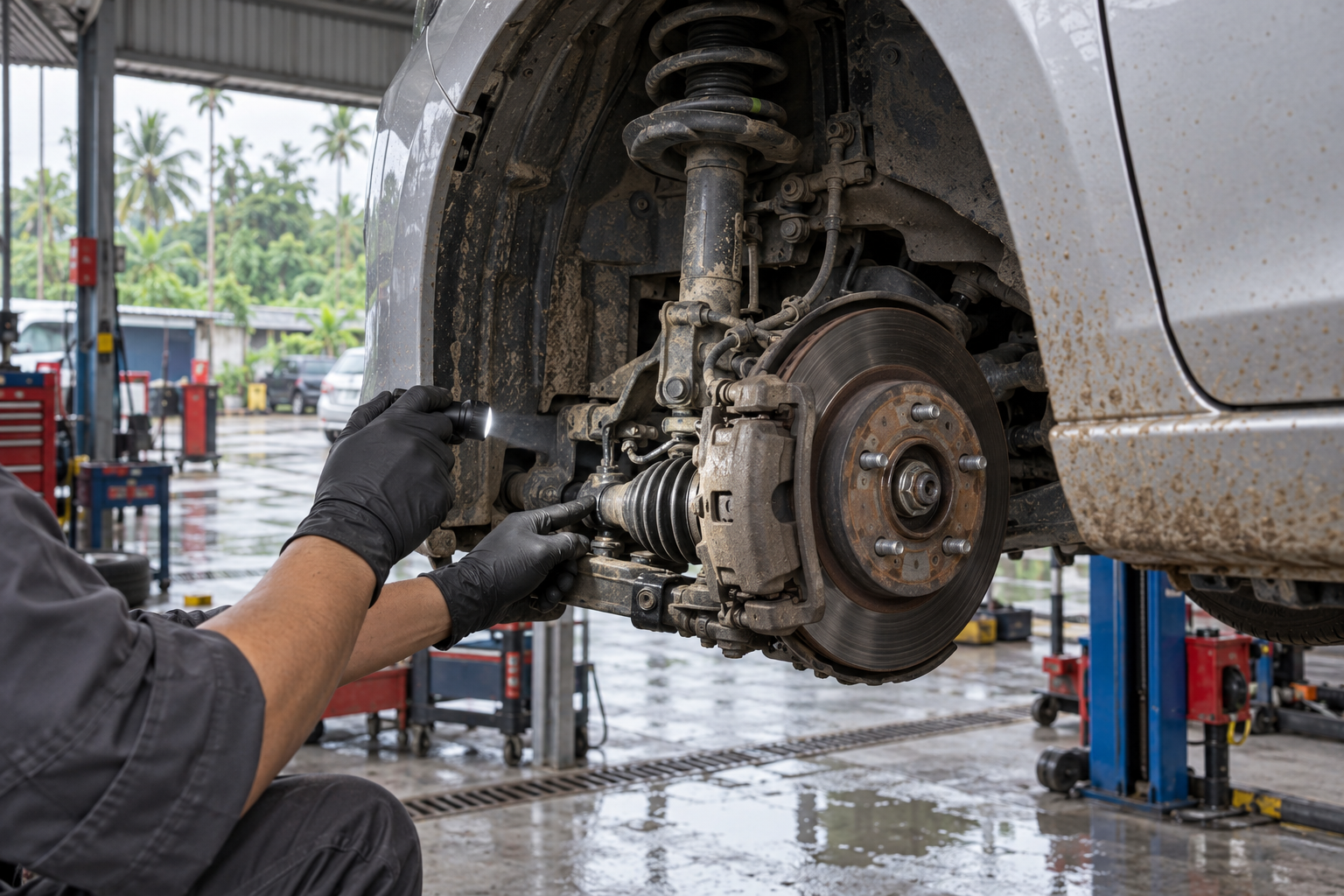
The Road Transport Act Just Got Tougher. Here's What It Means for Your Car's Parts
21 Oct 2026
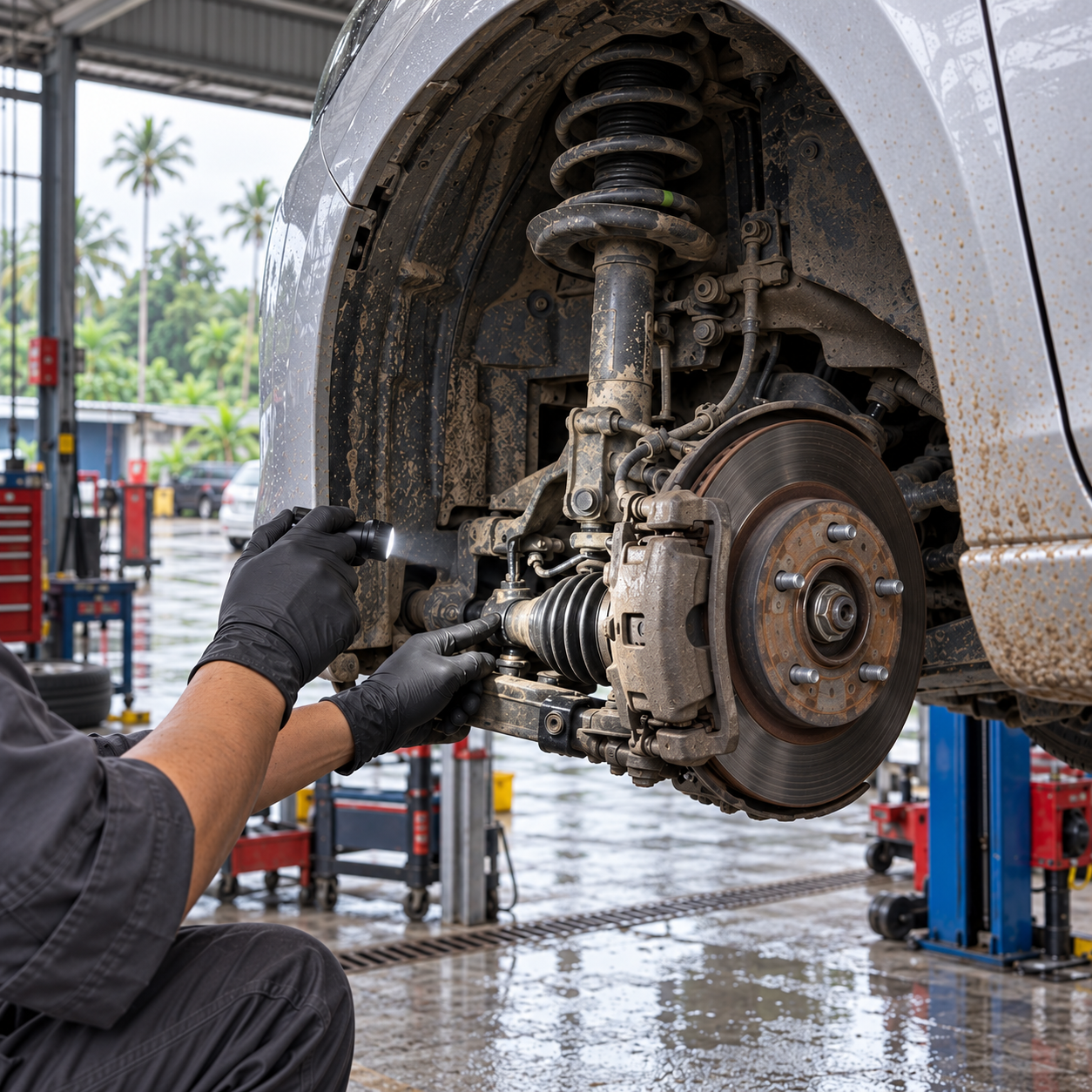
Drove Through Flood Water? The Parts Under Your Car That Need a Look Next
19 Oct 2026
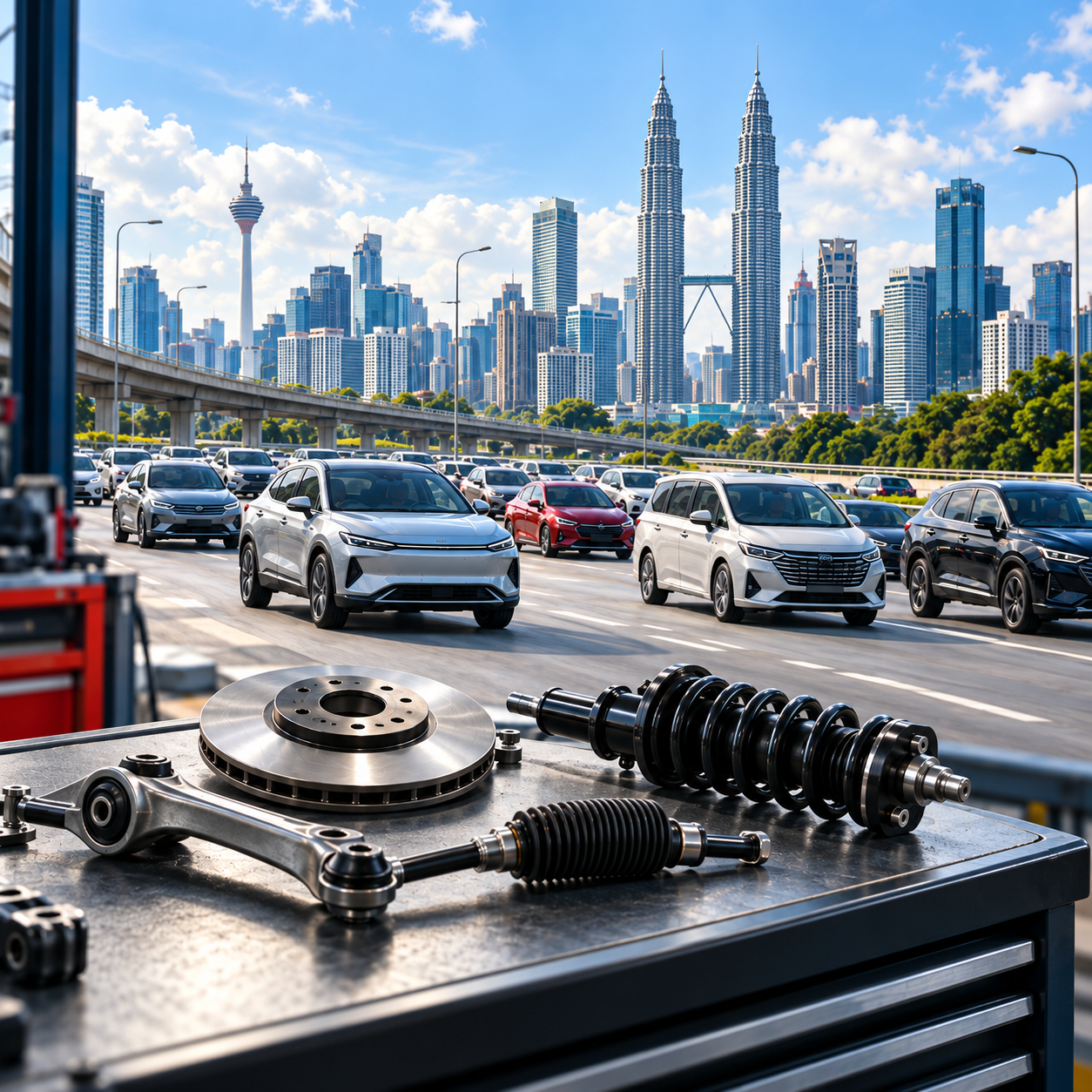
A Record Year on the Road Means a Record Year Ahead for Maintenance
12 Oct 2026
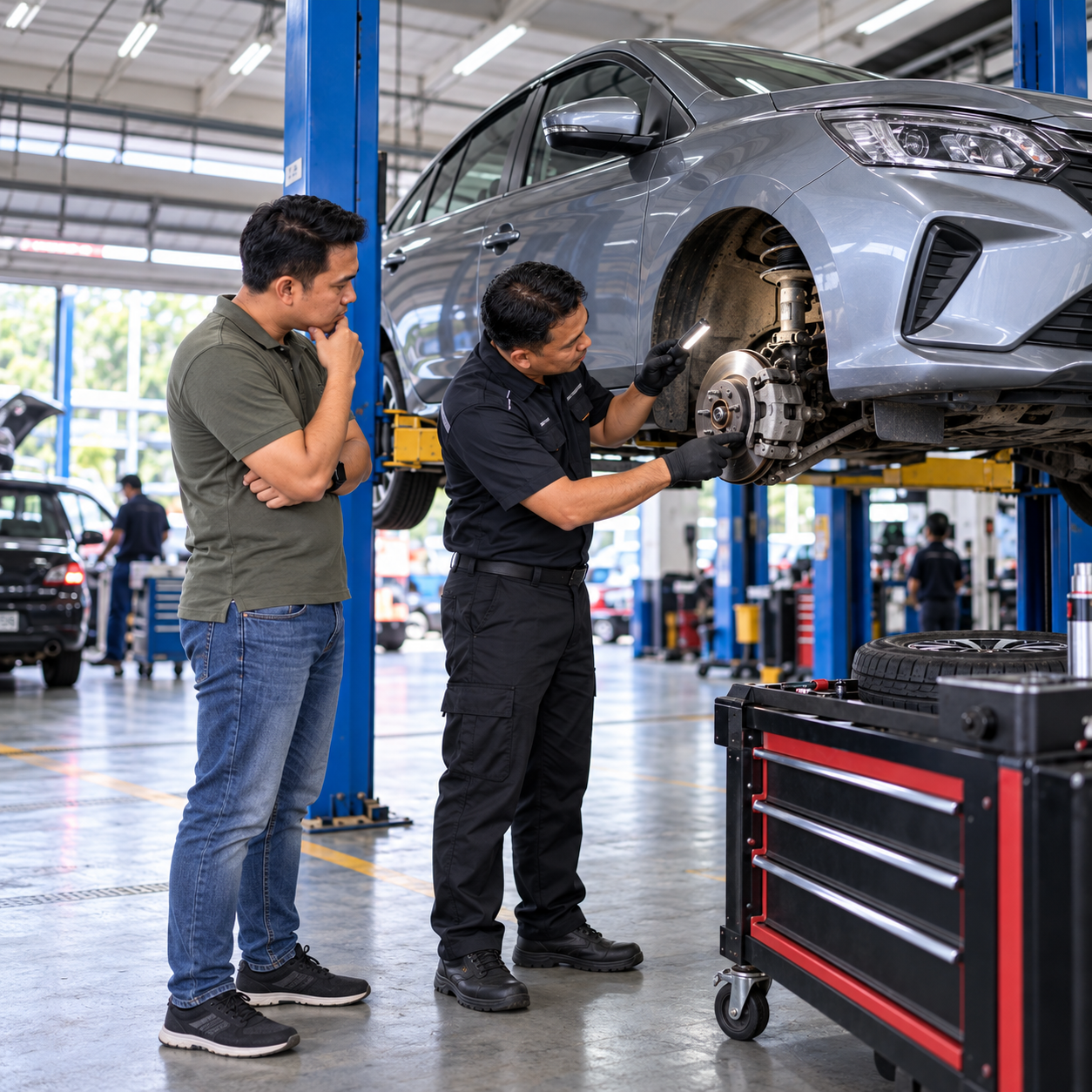
Budget 2027 Puts E-Hailing Car Maintenance on the National Agenda
12 Oct 2026
 Whatsapp Us NowSaiko Automotive

