


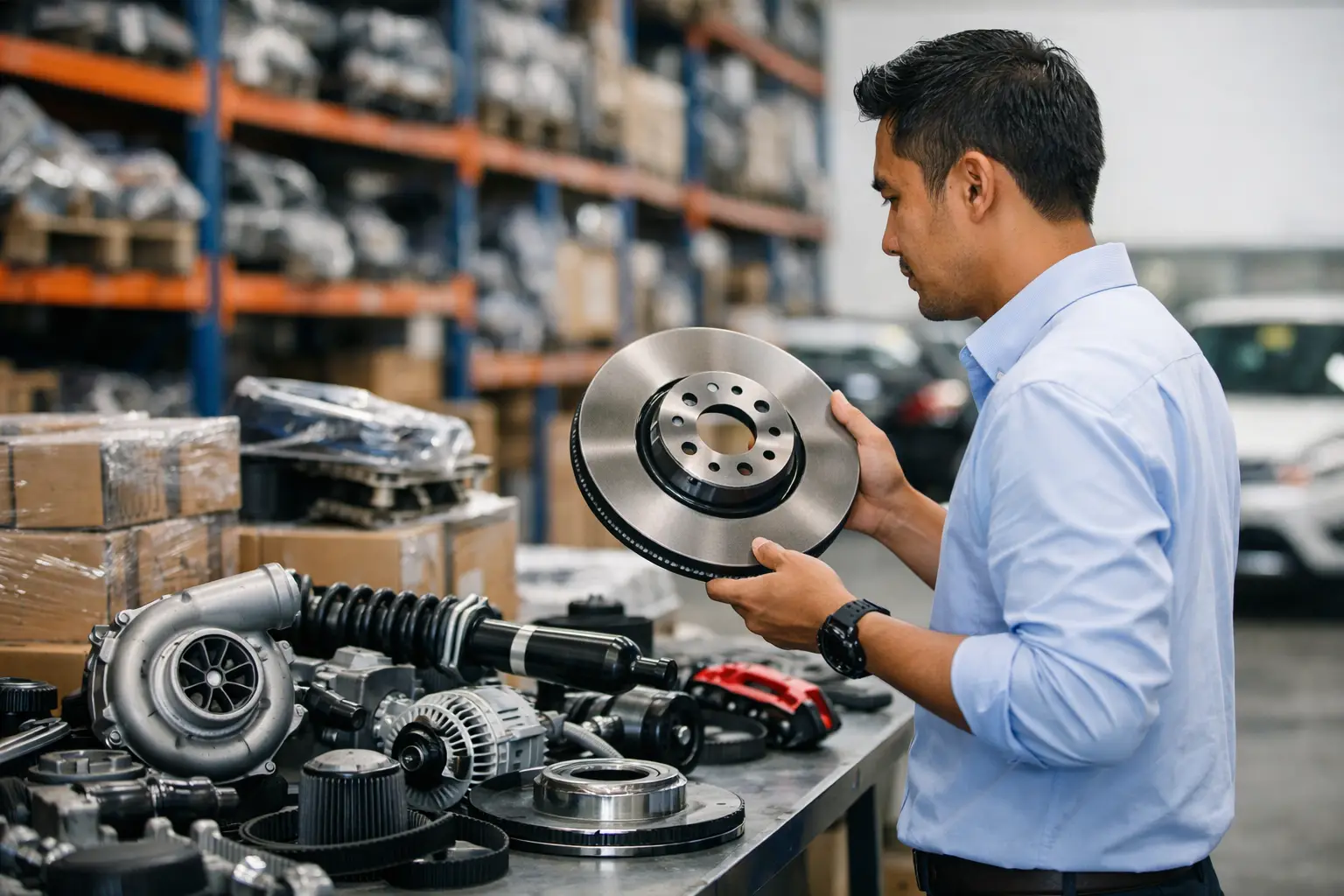
Choosing a Car Parts Distributor Malaysia
A late delivery on a control arm or wheel hub does more than slow down one repair job. It disrupts workshop schedules, affects customer trust, and ties up cash in vehicles waiting for parts. That is why choosing the right car parts distributor Malaysia businesses can rely on is a practical business decision, not just a purchasing task.
For workshops, retailers, and fleet-focused buyers, the real question is not simply who can supply parts. It is who can supply the right parts consistently, with stable quality, broad vehicle coverage, dependable availability, and pricing that still makes sense in a competitive market. In the aftermarket, those details shape daily performance.
A distributor should do more than move boxes from warehouse to counter. In a market with mixed vehicle brands, aging car populations, and price-sensitive customers, a strong distributor helps buyers stay efficient while reducing the usual risks of aftermarket sourcing.
That starts with product range. Workshops and retailers rarely serve only one vehicle segment. On any given day, they may need suspension parts for a Japanese sedan, steering components for a local compact car, or braking parts for a Korean SUV. A distributor with narrow coverage creates delays and forces buyers to split orders across multiple suppliers. A distributor with broad application coverage makes stock planning easier and service faster.
Quality control matters just as much. A part that fits poorly, wears too quickly, or creates installation issues costs more than its invoice price. It consumes labor time, increases the chance of returns, and can damage a workshop's reputation. For retailers, unstable quality turns regular customers into one-time buyers. For end users, it affects safety, comfort, and confidence on the road.
This is why experienced buyers look beyond unit price. They want a supplier that can support repeat business with consistent standards across steering, suspension, drivetrain, braking, and engine-timing categories.
Many buyers focus first on price because the aftermarket is competitive. That is understandable. But in practice, workshops usually lose more money from poor fitment, repeated replacements, and downtime than from paying slightly more for a dependable part.
Take steering and suspension components as an example. Parts such as tie rod ends, rack ends, ball joints, stabilizer links, control arms, and strut mounts must fit correctly and perform reliably under daily driving conditions. If tolerances are off or materials wear too fast, the result may be noise, poor handling, premature failure, or alignment issues. That leads to rework, extra labor, and frustrated customers.
The same applies to drivetrain and braking parts. Drive shafts, wheel hubs, hub bearings, steering racks, and brake system components are not categories where buyers can afford guesswork. A low-cost option may look attractive at purchase, but if it causes vibration, braking inconsistency, or shortened service life, the actual cost is much higher.
A dependable distributor helps reduce those hidden costs by offering parts that are tested to OE-standard expectations, checked through quality control processes, and supported by fitment confidence across a wide range of models.
One of the biggest differences between an average supplier and a strong distributor is stock breadth. In Malaysia's vehicle market, workshops and retailers often need parts for local brands, Japanese models, Korean vehicles, and selected international makes. Buyers who deal with only one or two vehicle families may manage with a smaller supplier. Most businesses cannot.
Wide coverage means more than a long catalog. It means practical access to fast-moving items across hundreds of vehicle models. That includes core replacement categories such as shock absorbers, control arms, drive shafts, timing chain kits, brake parts, and steering components that regularly come through workshops.
When a distributor can support more applications from one source, buyers benefit in several ways. Ordering becomes simpler, stockholding becomes more efficient, and customer lead times become easier to manage. For retailers, a broader and more reliable supply also improves the chance of securing repeat walk-in demand. For workshops, it reduces the time spent calling around for basic fitment coverage.
This is especially important for businesses serving mixed customer segments. A neighborhood workshop may see a Perodua in the morning, a Toyota after lunch, and a Hyundai before closing. A distributor that understands those realities adds value every day.
Retailers need products that move, margins that remain workable, and quality that does not create after-sales problems. A distributor that only competes on price often creates instability later. If the quality varies from batch to batch or fitment complaints become common, the retailer absorbs the damage in customer complaints and lost trust.
A better approach is to work with a distributor that combines steady quality with broad demand coverage. Fast-moving replacement parts are strongest when they serve common vehicle platforms and offer dependable everyday performance. Retailers also benefit from a supplier with an established market presence and a broad dealer network, because that usually reflects stronger inventory planning and better product acceptance in the field.
For store owners, predictable supply is a sales advantage. When regular customers know a shop can consistently provide the parts they need, they return. That kind of loyalty is built slowly and lost quickly.
For workshops, speed and fitment accuracy often matter more than minor differences in purchase price. Labor bays generate revenue only when vehicles move through them. If a part arrives late, does not match the intended application, or creates installation issues, that bay stays occupied longer than it should.
A dependable distributor supports workshop efficiency by making part selection easier and reducing the chance of mismatch. Clear cataloging, broad model coverage, and reliable product consistency save time at the counter and in the service area. This matters most in categories where replacement decisions happen daily, such as suspension, steering, and braking.
Workshops also need a supplier that understands the balance between durability and affordability. Some customers want the lowest possible price. Others care more about quiet operation, stable handling, and longer service life. A good distributor helps workshops serve both groups without sacrificing trust.
That is where a proven aftermarket brand can make a measurable difference. Saiko, established since 2007, has built its position around premium-grade replacement parts, OE-standard testing, rigorous quality control, and coverage across more than 400 vehicle models with a nationwide network of over 500 dealers and distributors in Malaysia. For workshops, that kind of footprint signals practical dependability, not just marketing claims.
Not every buyer needs the same thing. A high-volume retailer may focus heavily on turnover. A workshop handling repeat family customers may prioritize lower comeback rates. A car owner may simply want a safe, durable replacement without overspending. The right distributor understands these different priorities.
Still, there is a clear difference between cheap parts and economical value. Cheap parts can create repeat failures, noise complaints, poor ride quality, or installation difficulty. Economical value means a fair purchase price backed by acceptable durability, proper fitment, and consistent performance in daily use.
That difference matters most in replacement categories that affect safety and drivability. Ball joints, steering racks, shock absorbers, wheel bearings, and brake components should not be treated as generic commodities. Buyers need confidence that the part will perform as expected under real road conditions.
A strong distributor usually stands out through day-to-day reliability rather than bold promises. Orders are fulfilled accurately. Product categories are deep enough to support common market demand. Fitment issues are less frequent. Buyers can source across multiple vehicle brands without constantly changing suppliers. Over time, that consistency improves business planning.
It also creates trust across the supply chain. Retailers sell more confidently. Workshops install with fewer doubts. Car owners return with less hesitation. That trust is one of the most valuable assets in the aftermarket, because it affects both immediate sales and long-term reputation.
Choosing a distributor is really about choosing operating stability. When parts quality, availability, and coverage are aligned, businesses spend less time solving supply problems and more time serving customers well.
The best distributor is not always the one with the lowest number on a quote sheet. It is the one that helps you keep cars moving, customers satisfied, and your business growing with fewer avoidable problems.
Recent Posts
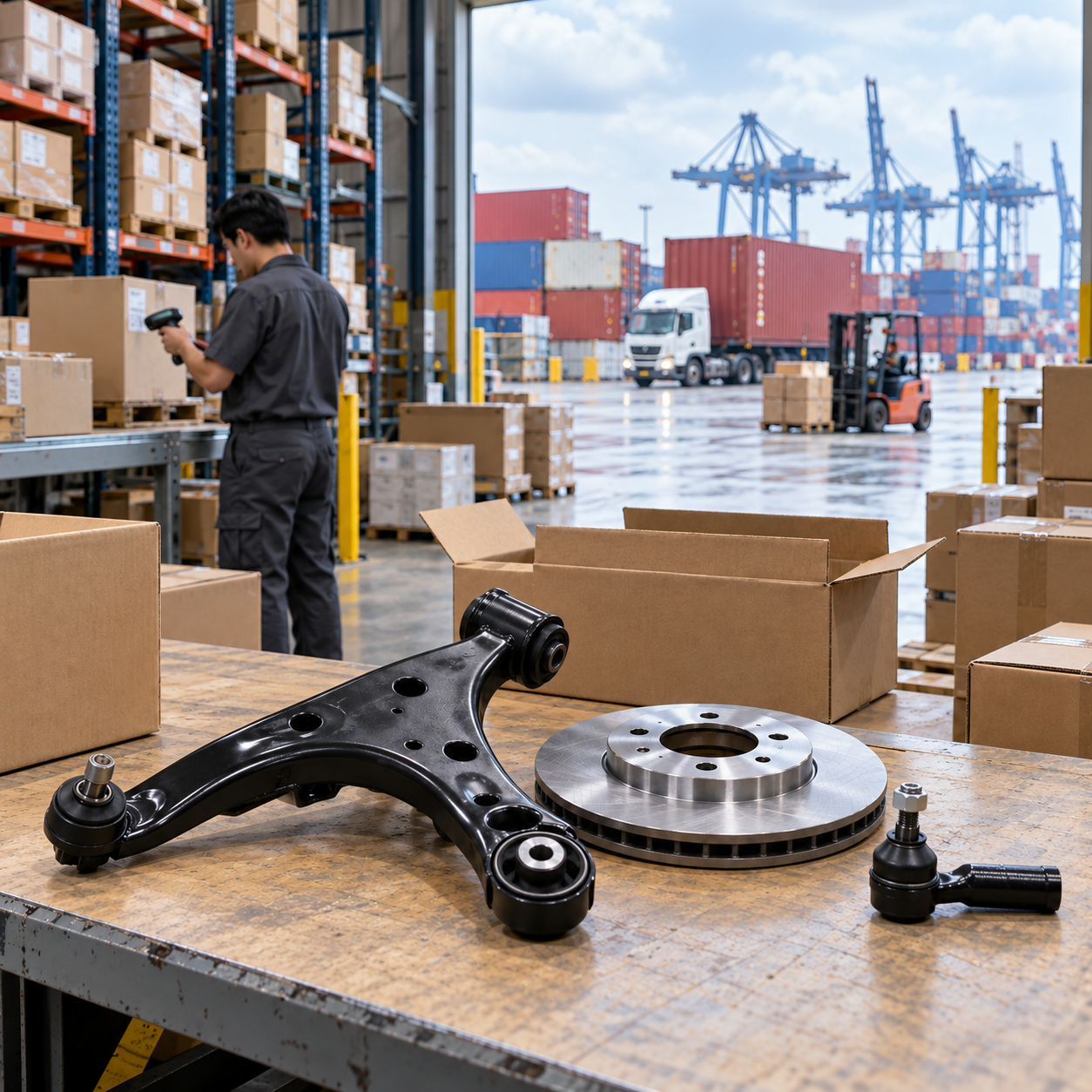
Automotive Trade Is on the Table in the Malaysia-EU FTA. Here's Why It Matters at the Parts Counter
23 Oct 2026
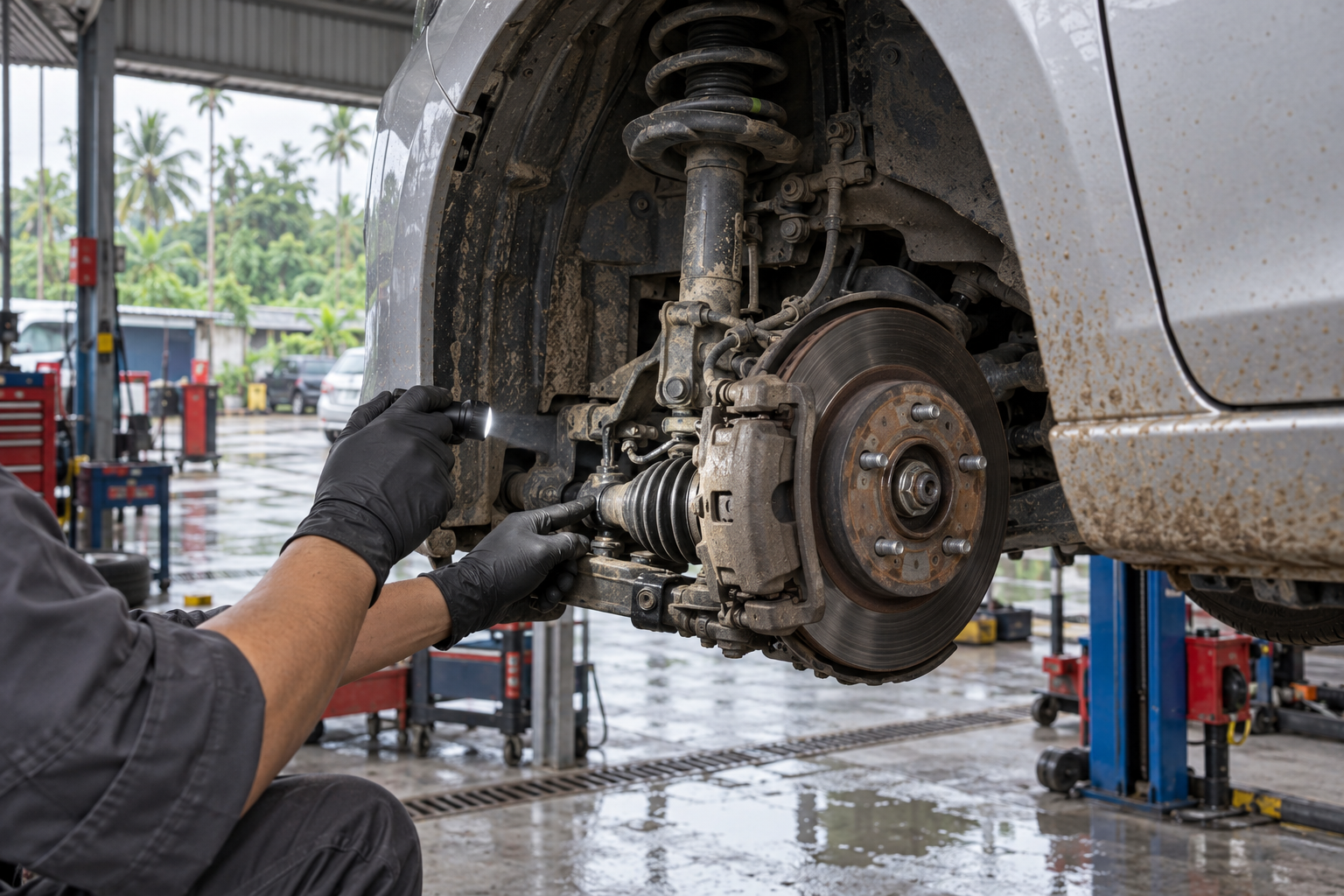
The Road Transport Act Just Got Tougher. Here's What It Means for Your Car's Parts
21 Oct 2026
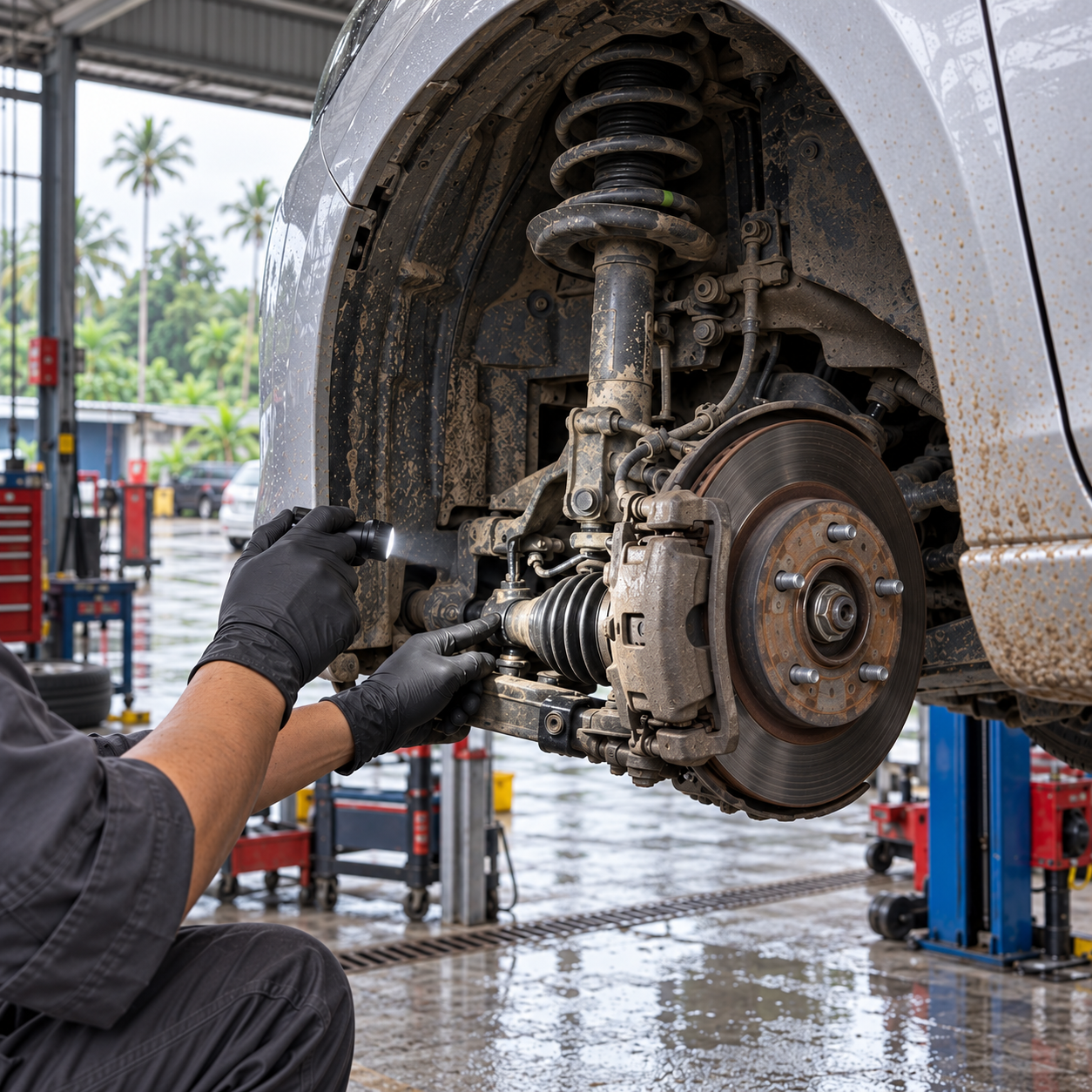
Drove Through Flood Water? The Parts Under Your Car That Need a Look Next
19 Oct 2026
A Record Year on the Road Means a Record Year Ahead for Maintenance
12 Oct 2026
Budget 2027 Puts E-Hailing Car Maintenance on the National Agenda
12 Oct 2026
 Whatsapp Us NowSaiko Automotive

