


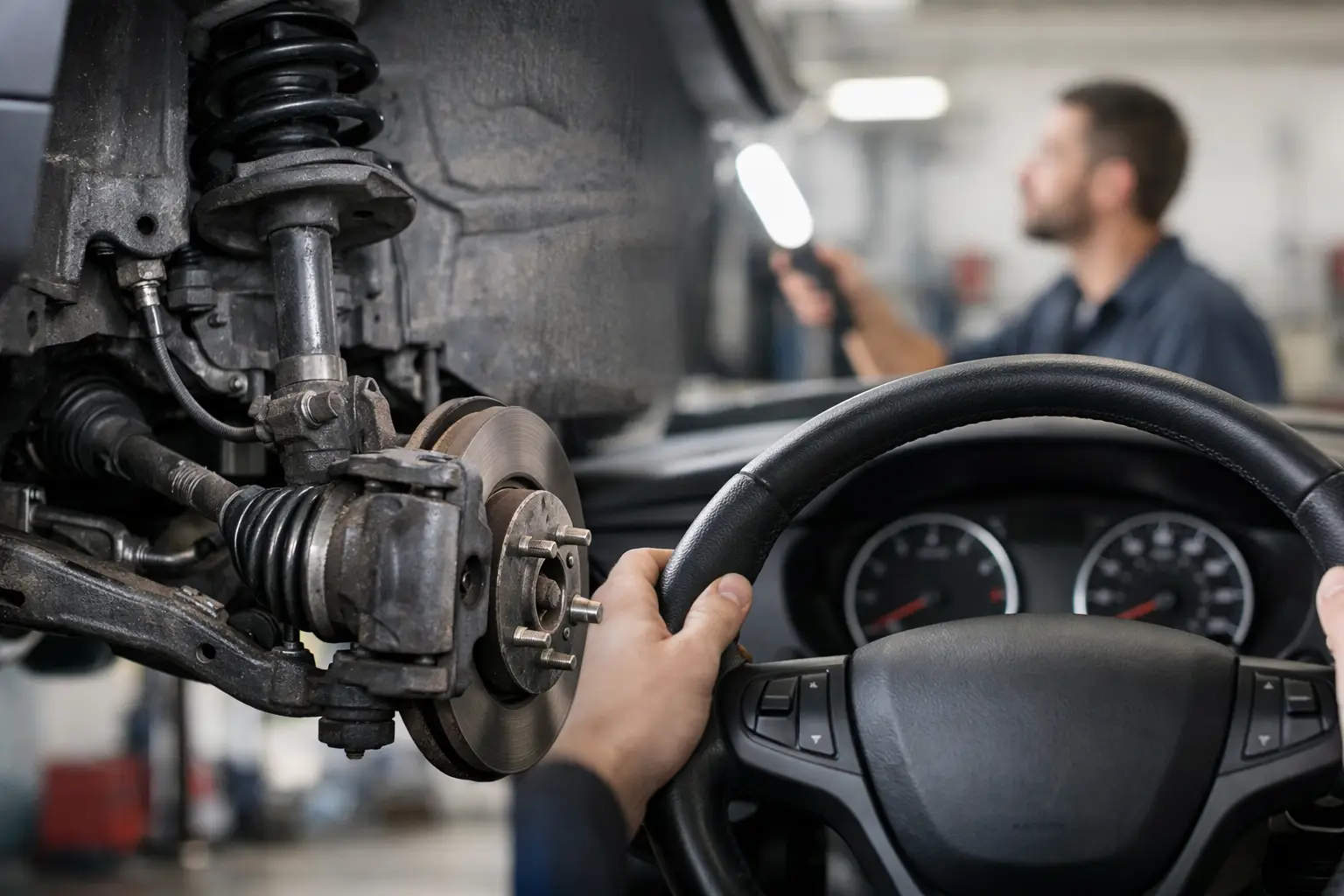
Can Suspension Cause Steering Problems?
A car that pulls to one side, feels loose in corners, or needs constant correction on a straight road often gets blamed on the steering system first. But can suspension cause steering problems? Yes - and in many cases, the root issue starts in suspension components that no longer hold alignment, absorb impact, or keep the tires planted properly.
That matters for drivers, workshops, and parts retailers alike. Steering and suspension do not work as separate systems in real-world driving. They work together every time the vehicle brakes, turns, accelerates, or hits uneven pavement. When one suspension part wears out, the steering response can change quickly, and sometimes in ways that feel more serious than the original fault.
The steering system tells the wheels where to point. The suspension system keeps those wheels stable, properly positioned, and in contact with the road. If suspension parts develop play, sag, or uneven movement, the steering can become vague, heavy, delayed, or inconsistent.
A simple way to think about it is this: even if the steering rack, tie rods, and power assist are working correctly, the vehicle still depends on control arms, ball joints, strut mounts, bushings, shocks, and stabilizer links to maintain control. If those parts cannot hold the wheel assembly firmly, the driver may feel wandering, pulling, vibration, or poor return-to-center.
This is why suspension complaints often get reported as steering complaints. The symptom shows up at the steering wheel, but the cause may sit deeper in the chassis.
Ball joints allow the suspension and steering knuckle to move smoothly while maintaining proper geometry. When a ball joint wears, the wheel can shift slightly under load. That movement may show up as loose steering, clunking over bumps, or unstable cornering.
Control arm bushings can create a similar effect. A worn bushing lets the control arm move more than it should during braking or turning. The result can feel like the steering changes direction slightly on its own, especially when the vehicle transitions from acceleration to braking.
Shocks and struts do more than improve ride comfort. They control how the body and wheels move after bumps, braking, and cornering forces. If they are weak, the tires may not stay consistently planted. Steering then feels floaty, less precise, or slow to respond.
Strut mounts are also worth attention. A worn mount can create noise, binding, or uneven steering effort. On some vehicles, a failing strut mount makes the steering feel jerky during low-speed turns because the strut does not rotate smoothly.
Stabilizer bars help reduce body roll. While they do not directly steer the vehicle, they influence balance during turns. Worn stabilizer links or bushings can make handling feel less settled, especially in lane changes or sweeping corners. Drivers may describe that as unstable steering, even though the steering components themselves are still intact.
Sagging springs change ride height and suspension angles. Once that happens, alignment values can shift outside specification. A vehicle with uneven ride height may pull, wear tires irregularly, and feel off-center at the wheel.
This is one of the more overlooked causes because the change can happen gradually. The driver adapts over time until the steering feels noticeably wrong.
Yes, and this is where diagnosis gets more important. A vehicle may receive an alignment, but if worn suspension parts are still present, the alignment may not hold. The numbers can look correct on the machine at one moment, then change once the vehicle is back on the road under load.
For example, a worn control arm bushing may allow the wheel to shift backward during braking. A weak strut may let the front end dive excessively and alter tire contact. A loose ball joint may let the wheel move enough to affect toe or camber in motion. In each case, the steering issue remains because the suspension cannot maintain stable geometry.
That is why experienced workshops inspect for looseness and wear before final alignment. Replacing parts after alignment often means doing the job twice.
Drivers usually notice the change through feel before they see obvious part damage. The steering wheel may not return smoothly after a turn. The car may drift or wander on highways. It may feel nervous over rough surfaces or unstable during braking.
Uneven tire wear is another strong clue. Feathering, inner-edge wear, or rapid shoulder wear often points to geometry changes caused by worn suspension parts. Noise matters too. Clunks, knocks, and creaks over bumps often suggest bushing, mount, or joint wear that can eventually affect steering accuracy.
There is also the question of steering effort. Not every suspension fault causes light or loose steering. Some create heavy or inconsistent steering instead. Binding strut mounts, seized joints, or distorted bushings can make the wheel harder to turn, especially at low speed.
The overlap between systems can make diagnosis tricky. A pull to one side could come from alignment, tire pressure, tire construction, brake drag, or suspension wear. A vibration at the steering wheel could be caused by wheel balance, hub issues, worn joints, or failed dampers.
That is why replacing steering parts without checking suspension can waste time and money. If tie rod ends are replaced but worn control arm bushings remain, the customer may still complain that the steering feels unstable. If the rack is changed but the strut mounts are binding, low-speed steering effort may still feel wrong.
A proper inspection should look at the whole front-end system, including wheel hubs, bearings, joints, bushings, mounts, and dampers. Steering feel is the result of the complete assembly working together.
Yes - indirectly, but very noticeably. Rear suspension faults can make the vehicle feel unstable or as if it is steering from the back. Worn rear shocks, trailing arm bushings, or hub bearings can cause the car to feel unsettled in corners or during sudden lane changes.
Many drivers interpret that movement as poor steering because the car no longer tracks cleanly. On highway roads, rear-end looseness often feels like constant steering correction is needed at the front.
This matters for complete diagnosis. Focusing only on the front suspension can miss the actual reason the vehicle feels hard to control.
For workshops, the key issue is not only replacing the failed part but understanding related wear. Suspension components often age together. If one ball joint has excessive play, the matching side or nearby bushings may not be far behind. That does not mean replacing everything automatically, but it does mean inspecting beyond the first obvious fault.
For retailers and distributors, this is where quality and fitment matter. Steering and suspension parts are not just about installation - they directly affect safety, handling consistency, and comeback risk. Parts that fit accurately and maintain durability under daily road conditions help workshops finish jobs with more confidence and help drivers feel the improvement immediately.
A dependable aftermarket range with broad vehicle coverage also makes a difference in real service environments. Brands such as Saiko are trusted because workshops need suspension and steering components that meet practical expectations: stable quality, proper fit, reliable performance, and value that makes sense for everyday repairs.
Small symptoms rarely stay small in suspension systems. A slightly worn bushing can become a noticeable pull. A weak strut can increase tire wear and reduce braking control. A noisy mount can develop into rough steering movement.
Waiting too long usually increases the total repair bill because related components and tires may suffer along the way. It also makes the car harder to control, particularly in wet conditions, emergency braking, or uneven road surfaces.
If the vehicle shows wandering, clunking, poor steering return, abnormal tire wear, or instability over bumps, inspection should happen sooner rather than later. Drivers may think they can live with a mild steering issue, but suspension-related faults tend to reduce safety margins before they become dramatic enough to force immediate attention.
The useful rule is simple: if the steering feel has changed, do not assume the steering system alone is responsible. Suspension wear is often the hidden cause, and catching it early protects handling, tires, and driver confidence.
Recent Posts
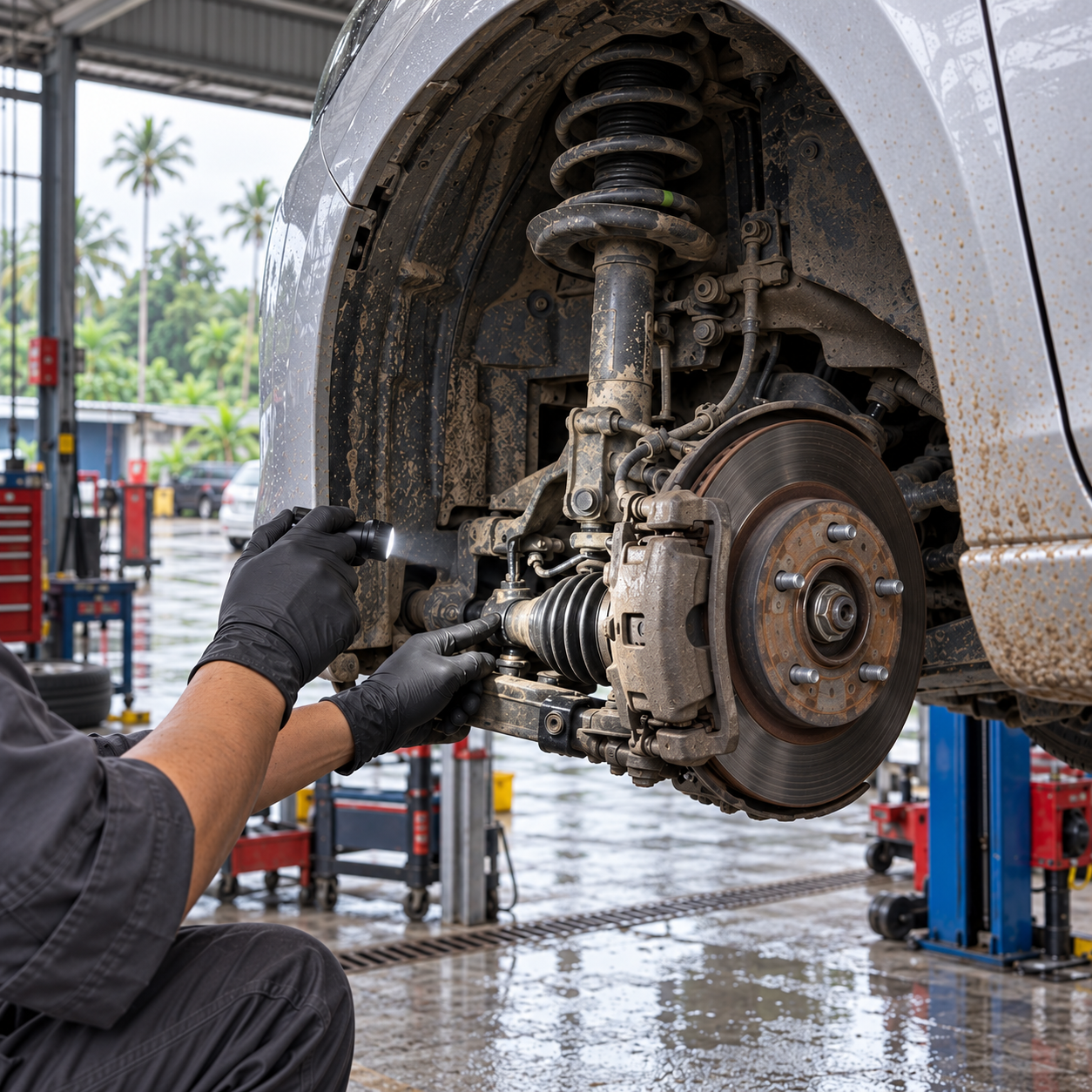
Drove Through Flood Water? The Parts Under Your Car That Need a Look Next
19 Oct 2026
A Record Year on the Road Means a Record Year Ahead for Maintenance
12 Oct 2026
Budget 2027 Puts E-Hailing Car Maintenance on the National Agenda
12 Oct 2026
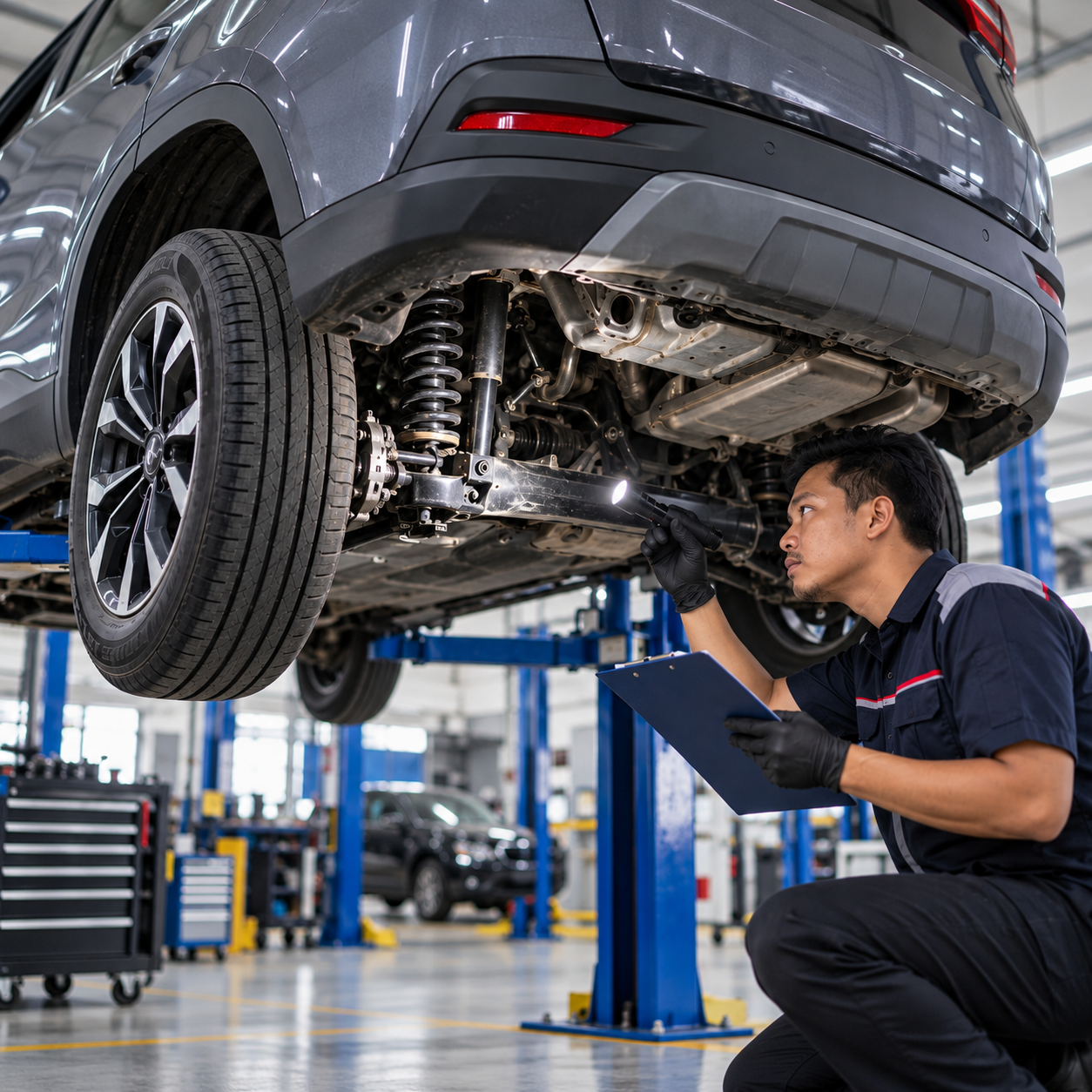
A Rear Axle Recall Is a Reminder: The Back of the Car Matters Too
12 Oct 2026
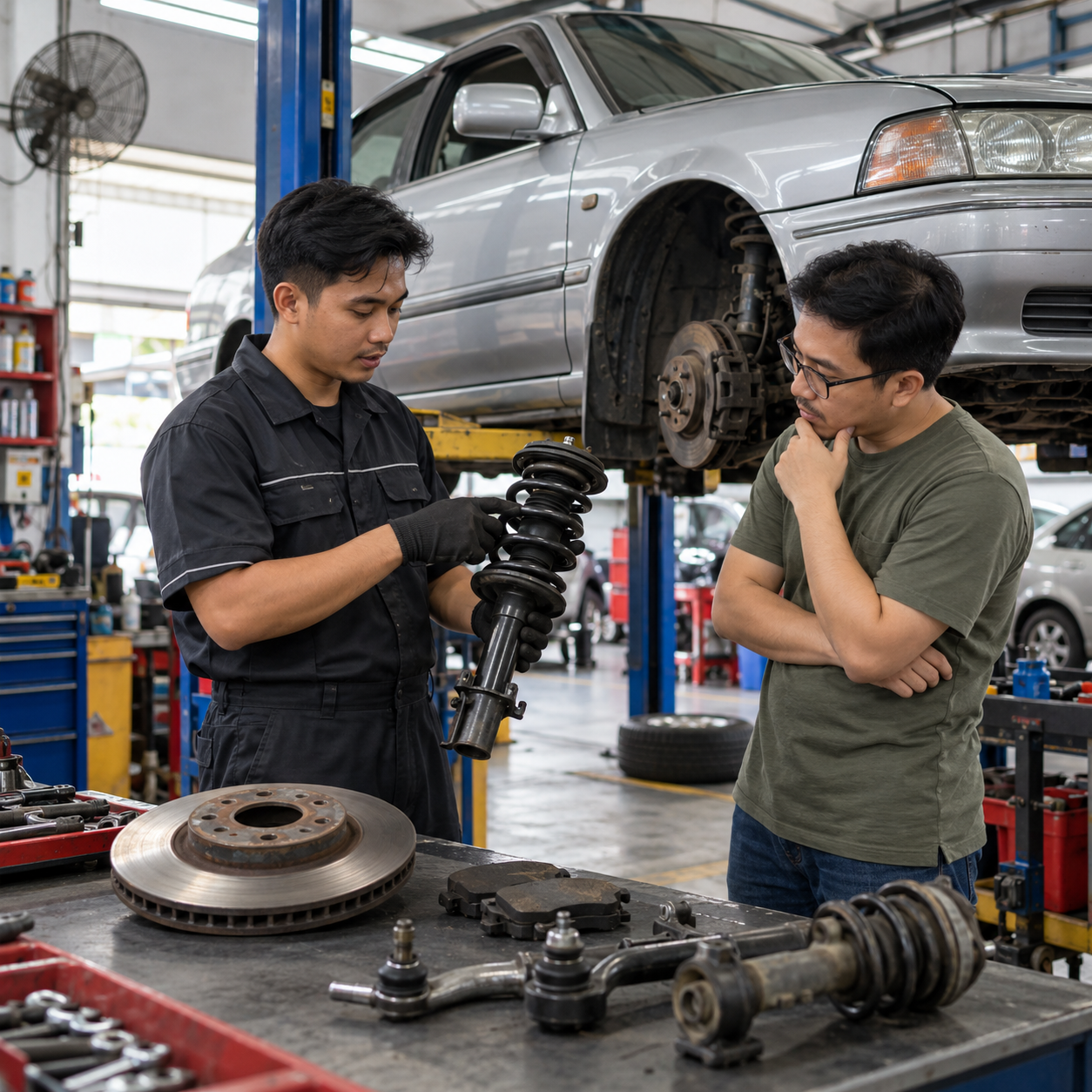
Scrap or Maintain? What a Proposed Old-Car Rebate Means for Malaysia's Older Vehicles
09 Oct 2026
 Whatsapp Us NowSaiko Automotive

