


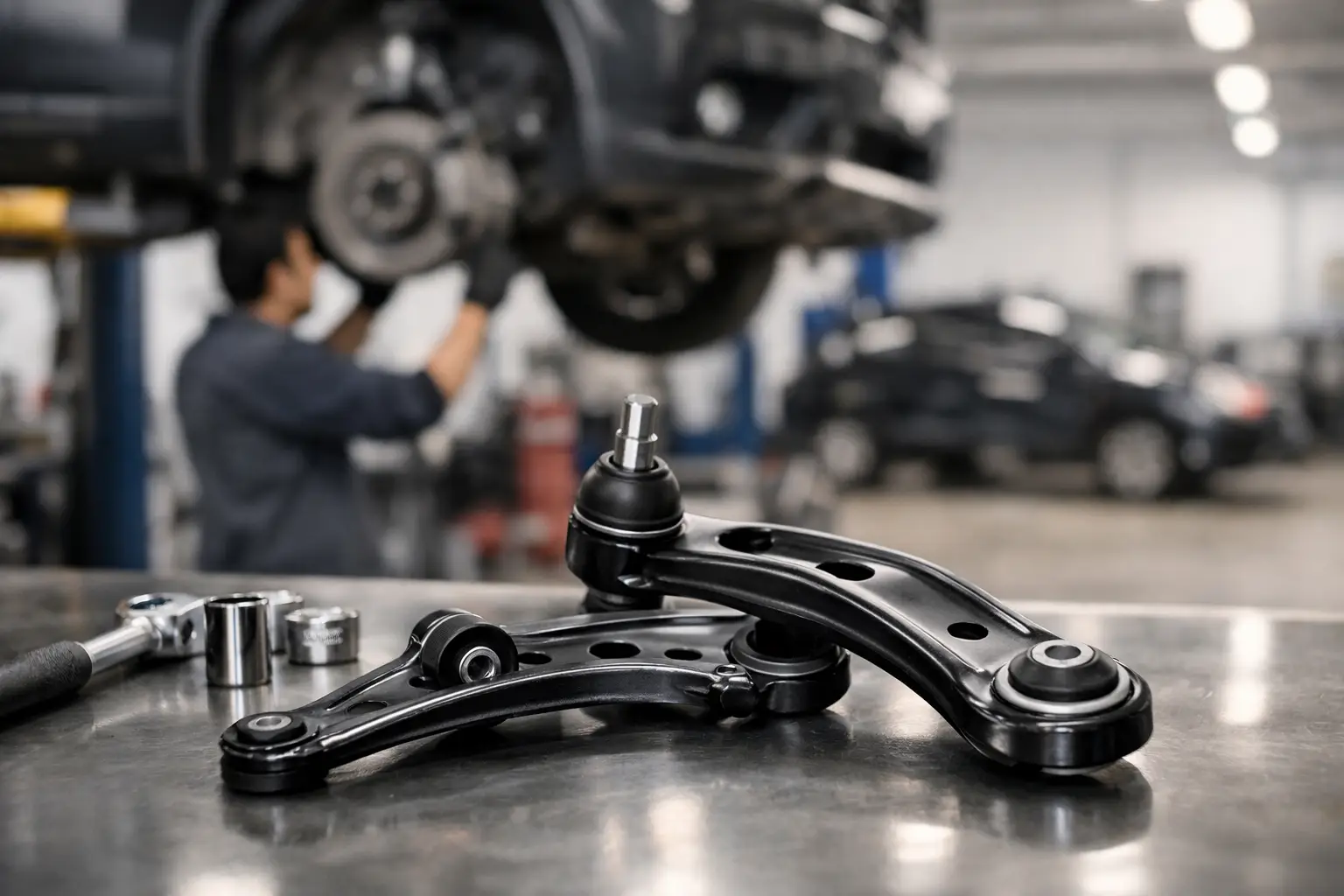
Best Control Arm in Malaysia: What to Check
A control arm problem rarely starts with a dramatic failure. More often, it begins with a light knocking sound over bumps, slightly uneven tire wear, or steering that no longer feels as stable as it should. If you are searching for the best control arm in Malaysia, the right choice is usually not the cheapest part on the shelf or the most aggressively marketed one. It is the control arm that fits correctly, lasts under local road conditions, and restores safe, predictable handling without creating repeat workshop visits.
For workshops, spare parts retailers, and car owners, that distinction matters. A poor-quality control arm can affect ride comfort, alignment stability, braking feel, and tire life. It can also create installation issues when bushing dimensions, ball joint tolerances, or mounting points are not consistent. That is why control arm buying decisions should be based on quality control, fitment accuracy, and real-world durability rather than price alone.
A control arm connects the suspension system to the chassis and helps keep the wheel moving in a controlled path. In practical terms, it supports stability during cornering, braking, and driving over uneven roads. Because it works together with bushings and ball joints, any weakness in the arm assembly can quickly affect steering response and comfort.
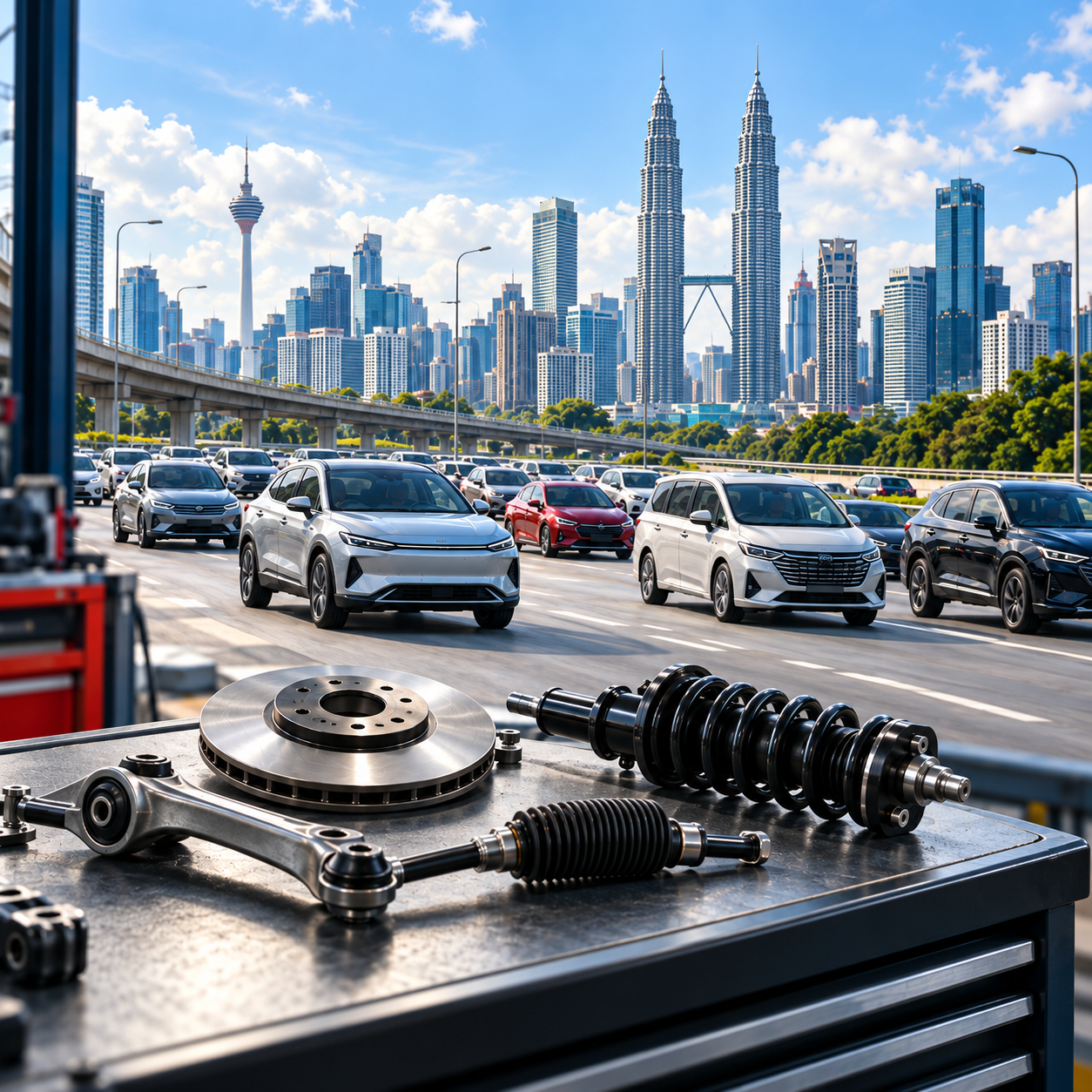
In Malaysia, control arms face a demanding mix of conditions. Daily stop-and-go traffic, potholes, speed bumps, highway use, heat, and heavy rain all place stress on suspension parts. That means the best control arm in Malaysia is usually one that balances strength, corrosion resistance, bushing durability, and precise fitment for the intended vehicle model.
A good aftermarket control arm should meet OE-standard expectations in the areas that matter most. The metal construction needs to be consistent and properly finished. The bushings should resist premature cracking or deformation. The ball joint, if included in the assembly, should be tight, durable, and properly sealed. Most importantly, the part should install without forcing adjustments that create alignment or safety issues later.
Low-priced control arms can look acceptable at first glance. The problem usually appears after installation. Workshops may run into mounting tolerance issues, bushings that feel too soft or too hard, or ball joints that develop play too early. Even when the part fits, the long-term performance may fall short.
That creates hidden costs. The customer may return with noise complaints, steering instability, or uneven tire wear. The workshop loses time. The retailer deals with dissatisfaction. A control arm that saves money upfront but fails early is rarely good value.
This is where established aftermarket brands with strong local coverage tend to stand out. A supplier with tested parts across many passenger vehicle models, stable quality control, and dependable dealer availability gives buyers more confidence than an unknown low-cost option with inconsistent stock and no practical support.
Fitment should always come first. Even small differences in design can affect installation and suspension geometry. The correct control arm must match the exact vehicle application, year range, and variant. For workshops, this reduces fitting delays and comebacks. For car owners, it means the vehicle drives the way it should after replacement.
Durability is the next priority. A control arm is not just a metal piece. The quality of the bushings and ball joint has a major effect on how long the assembly performs well. If the rubber compound is poor, it may crack or soften too early. If the ball joint sealing is weak, dirt and moisture can shorten its service life.
Material quality also matters. A well-manufactured control arm should handle repeated impact loads without early deformation. Surface finishing and anti-corrosion treatment are worth paying attention to, especially in humid conditions and on vehicles exposed to frequent rain.
Availability is another practical factor that buyers sometimes overlook. A part may test well on paper, but if workshops cannot source it quickly, it becomes a problem. For retailers and service centers, consistent supply across common Japanese, Korean, and Malaysian passenger vehicles is a major advantage.
Most drivers do not inspect control arms directly, so the first clues usually come from vehicle behavior. Knocking or clunking over rough roads is common. Steering may feel less precise, especially during cornering or braking. The vehicle may pull slightly, or tire wear may become uneven even after alignment.
In some cases, the symptom is a vibration or harshness that feels similar to other suspension issues. That is why proper inspection matters. Control arm bushings can wear gradually, while a ball joint may develop looseness that becomes a safety concern if ignored.
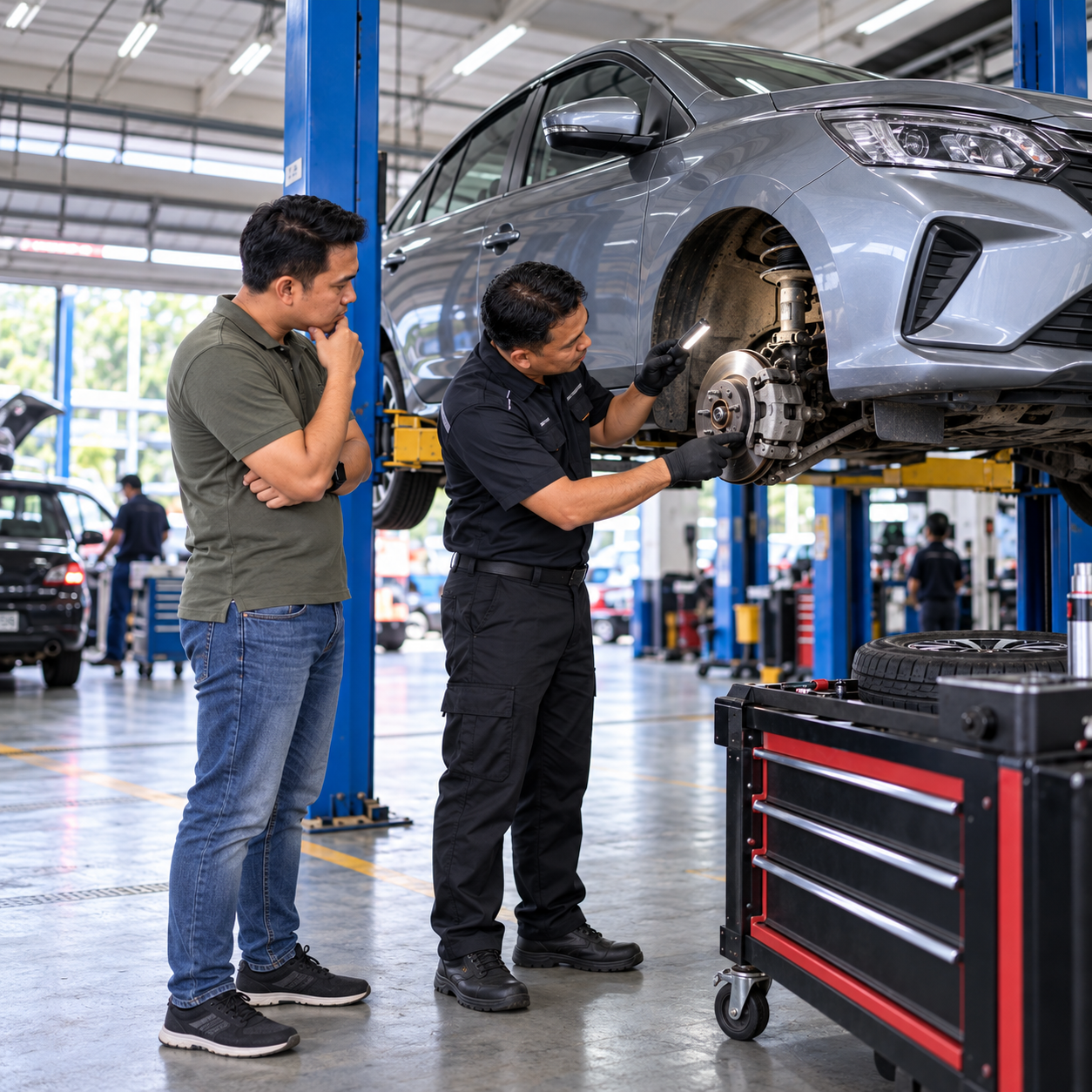
For workshops, replacement timing often depends on the condition of the complete assembly. If the arm structure is sound but the bushing or ball joint has failed, repair options vary by application. In many cases, replacing the complete control arm assembly is more practical because it saves labor time and helps restore consistent performance.
When buyers ask for the best option, the honest answer is that it depends on the vehicle, usage, and budget. A daily-driven city car, a family SUV, and a high-mileage fleet vehicle may not have the same priorities. Some customers want maximum service life. Others want a sensible balance of quality and price without compromising safety.
For that reason, a strong aftermarket choice is usually a brand that offers OE-standard tested components, wide model coverage, accurate fitment, and stable local supply. SAIKO fits that profile well for the Malaysian market. Established since 2007, it supports more than 400 vehicle models through a nationwide dealer and distributor network, making it a practical option for workshops, retailers, and car owners who need reliable replacement parts with dependable availability.
That value-driven position is especially relevant with control arms. Buyers are not only paying for a part. They are paying for correct installation, reduced repeat repairs, and predictable suspension performance on real roads. A quality-controlled control arm with precise fitment often delivers better ownership cost than a cheaper alternative that creates noise, wear, or premature failure.
For workshops, the best brand is often the one that causes the fewest problems after installation. That means fewer fitment mismatches, fewer warranty returns, and fewer customer complaints about steering feel or suspension noise. Consistency matters more than flashy packaging.
Retailers should think similarly. A control arm that sells at a very low price may move quickly at first, but if the return rate is high, margins disappear. A dependable aftermarket product supports repeat business because mechanics and end users remember which parts install properly and hold up over time.
It also helps when the brand covers a wide range of fast-moving applications. In Malaysia, many workshops and parts counters need dependable support for Japanese, Korean, and local passenger vehicles. Broad coverage reduces sourcing friction and helps customers get back on the road faster.
This depends on wear condition, mileage, and the vehicle’s overall suspension health. If one control arm has obvious damage from impact, replacing one side may be enough. If both sides show similar age-related wear, replacing them as a pair often makes more sense for balanced handling and fewer future visits.
The same logic applies to related parts. If bushings, ball joints, stabilizer links, or tie rod ends are all showing wear, replacing only the control arm may not fully resolve the handling issue. A proper inspection helps avoid partial repairs that leave the driver unhappy with the result.
If you want the best control arm in Malaysia, start with application accuracy, not branding alone. Confirm the vehicle details carefully, inspect related suspension components, and choose a part from a trusted aftermarket supplier with proven local availability. Ask whether the control arm is built for dependable fitment, stable bushing performance, and long-term use under everyday road conditions.
A control arm is not the kind of part you want to guess on. When the fit is right and the quality is consistent, the difference shows up in quieter suspension movement, better steering confidence, and fewer return jobs. That is the kind of value that matters long after the box is opened.
Recent Posts
Automotive Trade Is on the Table in the Malaysia-EU FTA. Here's Why It Matters at the Parts Counter
23 Oct 2026
The Road Transport Act Just Got Tougher. Here's What It Means for Your Car's Parts
21 Oct 2026
Drove Through Flood Water? The Parts Under Your Car That Need a Look Next
19 Oct 2026
A Record Year on the Road Means a Record Year Ahead for Maintenance
12 Oct 2026
Budget 2027 Puts E-Hailing Car Maintenance on the National Agenda
12 Oct 2026
 Whatsapp Us NowSaiko Automotive

