


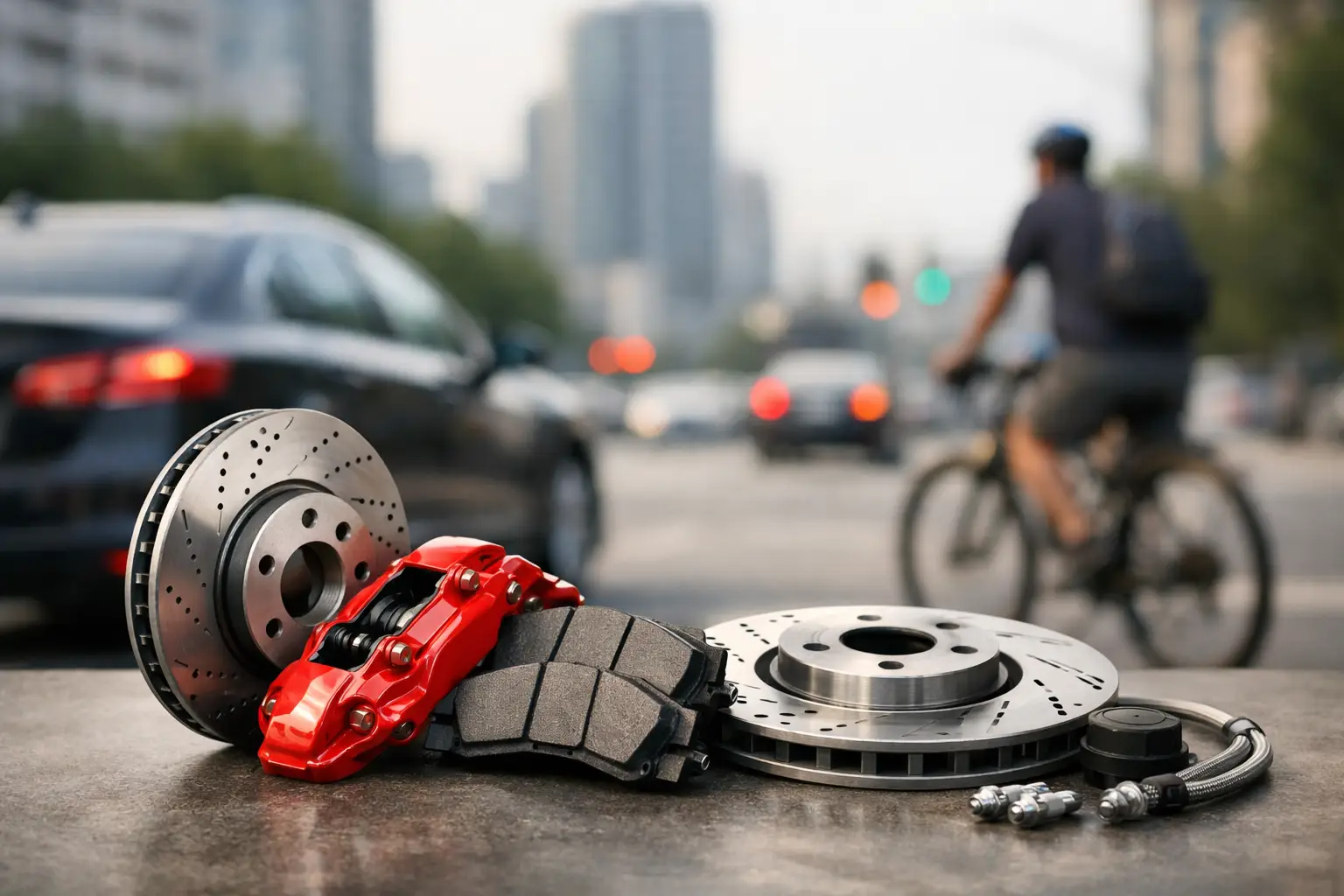
Best Brake Parts for Safer Commuting
Morning traffic tests every part of a car, but few systems work harder than the brakes. If you are choosing the best brake parts for safer commuting, the right answer is not just the part with the lowest price or the most aggressive marketing. It is the combination of components that delivers stable stopping power, predictable pedal feel, long service life, and dependable fitment for the vehicle you drive every day.
For workshops, retailers, and parts buyers, that matters because commuter cars face repeated stop-and-go use, wet roads, heat buildup, and long-term wear. A brake system that performs well in real-world driving helps reduce noise complaints, repeat repairs, and safety risks. Good braking parts are not only about stopping shorter. They are also about controlling wear, maintaining consistency, and giving drivers confidence in traffic.
Commuting puts different demands on brakes than spirited driving or heavy commercial use. Most passenger vehicles need braking parts that are quiet, stable at normal operating temperatures, and durable enough to handle daily use without early fading or uneven wear. That is why selecting parts by application matters more than choosing the most expensive option on the shelf.
Material quality is the first checkpoint. Brake components made to OE-level standards generally deliver better friction consistency, cleaner fitment, and more predictable service life. For workshops, this often means fewer installation adjustments and fewer customer returns. For drivers, it means a car that feels normal and controlled every time the pedal is pressed.
Fitment accuracy is just as important. Even a good-quality part can create noise, vibration, or uneven braking if tolerances are off. Accurate dimensions, proper machining, and application-specific design all affect how the system performs after installation.
Then there is overall system balance. Brake pads, rotors, calipers, hoses, and hardware do not work in isolation. Replacing one worn part while ignoring another can limit braking performance and shorten the life of the new component. Safer commuting usually comes from a well-matched repair, not a partial fix.
When people ask about the best brake parts for safer commuting, brake pads are usually the first component to consider. That makes sense. Pads are wear items, they directly affect stopping feel, and their material choice has a major impact on noise, dust, and friction stability.
For everyday passenger cars, the best pads are typically the ones designed for balanced daily use. They should offer reliable cold performance, stable friction in city driving, and controlled wear over time. A commuter vehicle does not usually need a pad compound designed for racing-style heat. In fact, overly aggressive compounds can create more noise, extra rotor wear, or inconsistent low-temperature response.
A dependable commuter brake pad should also include proper shims, quality backing plates, and consistent friction material bonding. These details may seem minor, but they often separate a quiet, smooth repair from one that comes back with squeal or vibration complaints.
For workshops and parts retailers, stable pad quality is especially important because brake pads are a high-volume category. Consistency across batches supports faster installation and better customer trust. That is one reason established aftermarket brands with broad application coverage remain a practical choice for daily-use vehicles.
Brake rotors are often treated as secondary to pads, but rotor condition has a direct effect on braking smoothness and control. A quality rotor helps maintain even pad contact, stable heat dissipation, and predictable pedal feel. If the rotor surface is uneven, too thin, or poorly machined, the driver may feel pulsation, reduced stopping confidence, or increased noise.
For commuting, plain rotors are often the most practical option. They are typically well suited to daily driving, cost-effective to replace, and easier to match with standard brake pads. Drilled or slotted designs can be useful in specific performance applications, but for many commuter cars they add cost without delivering a meaningful benefit in normal road use.
The key is choosing rotors with proper metallurgy, precise machining, and correct balance. A rotor that fits correctly and wears evenly helps the entire braking system work as intended. If pads are replaced without addressing a heavily worn or damaged rotor, the new pads may not bed in properly and performance can suffer.
A brake job is only as reliable as the supporting parts around it. Calipers play a central role because they apply clamping force to the pads and rotors. If a caliper sticks, drags, or applies uneven pressure, braking performance will become inconsistent. That can also lead to premature pad wear, overheating, and pulling to one side during braking.
For commuter vehicles, replacement calipers should provide smooth piston movement, proper sealing, and dependable corrosion resistance. This is especially relevant in older vehicles where brake performance issues are sometimes blamed on pads, even though the real problem is a seized or weak caliper.
Brake hoses are another part that should not be overlooked. Over time, rubber hoses can crack, swell internally, or lose their ability to maintain clean hydraulic pressure. The result may be a soft pedal, delayed brake release, or reduced braking response. Replacing aged hoses during a brake system repair can improve pedal consistency and restore driver confidence.
Small hardware also matters. Clips, pins, boots, and guide components are inexpensive compared with major brake parts, but they affect pad movement, noise control, and long-term reliability. Reusing heavily worn hardware may save a little money up front, but it often increases the risk of uneven wear or return visits.
For retailers, mechanics, and informed car owners, product quality should be evaluated beyond packaging claims. One of the clearest indicators is whether the manufacturer follows OE-standard testing and quality control. That does not guarantee perfection, but it greatly improves the odds of receiving parts that perform consistently across applications.
Coverage also matters. A supplier with a broad range across Japanese, Korean, Malaysian, and other passenger vehicle models is often better equipped to support fitment accuracy and replacement demand. In the aftermarket, availability is part of value. A quality part that is difficult to source quickly can still create downtime for the workshop and inconvenience for the vehicle owner.
It also helps to choose brands known for practical, everyday reliability rather than exaggerated performance claims. For commuter cars, durability, consistent fitment, and dependable stopping behavior are more valuable than marketing language. Saiko, for example, has built its market reputation around quality-controlled replacement parts, broad vehicle coverage, and dependable supply for workshops, dealers, and parts buyers.
One common mistake is buying only on price. Low-cost brake parts can look attractive, especially for older vehicles, but poor material quality or inaccurate fitment often leads to noise, faster wear, and reduced braking confidence. The repair may end up costing more if the parts need to be replaced early.
Another mistake is replacing pads alone when the rotor, caliper, or hose condition clearly needs attention. This partial approach can mask the real issue for a short time, but it rarely delivers the safest or most durable result. A proper inspection should guide the repair scope.
There is also the issue of mismatched use. Some drivers are sold brake parts intended for harsher conditions than their car actually sees. That can sound impressive, but commuter driving rewards smooth, stable, daily-use performance. More aggressive does not always mean safer.
Finally, some buyers overlook the value of application coverage and stock support. A workshop needs brake parts that fit properly and arrive on time. A retailer needs products that move consistently and maintain customer trust. Safety and business efficiency are often connected.
If the goal is safer daily driving, start with brake pads and rotors because they have the most immediate effect on friction and stopping stability. Next, inspect calipers and hoses, especially on higher-mileage vehicles where age-related wear may not be obvious at first glance. Then make sure the necessary hardware is replaced where needed so the system can operate smoothly.
This order works well because it addresses both wear components and the parts that control hydraulic and mechanical function. In many commuter vehicles, the safest brake repair is not the most complex one. It is the one that restores the whole system to reliable, balanced operation.
For parts buyers and workshops, the better choice is usually a supplier that combines product consistency, strong coverage, and practical value. That supports safer cars on the road while also reducing installation issues and customer complaints.
A commuter does not need flashy brake upgrades. It needs dependable parts that stop cleanly in traffic, perform consistently in wet and dry conditions, and hold up over time. Choose parts with proven quality, correct fitment, and system-wide compatibility, and the daily drive becomes a little more controlled every time the brake pedal is pressed.
Recent Posts
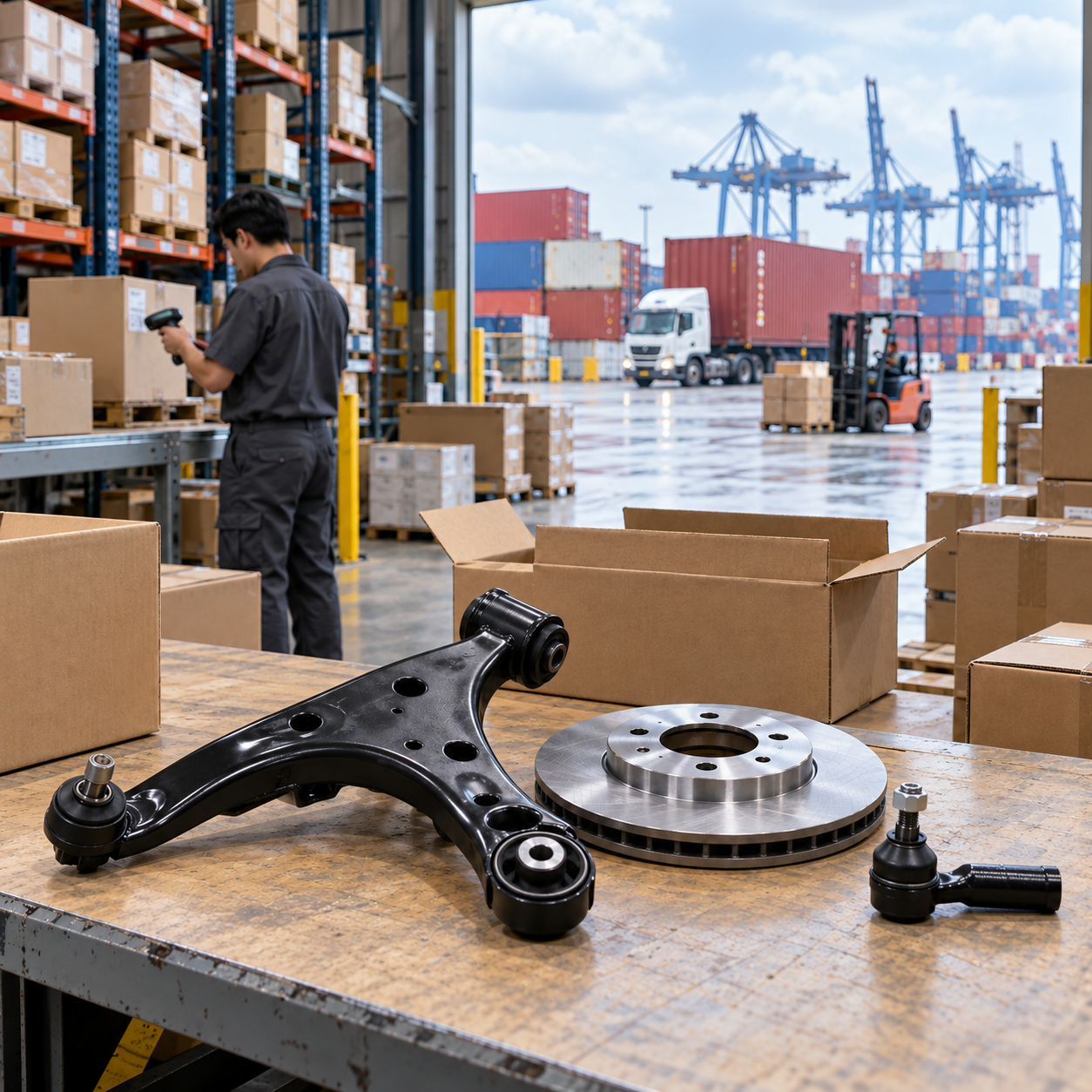
Automotive Trade Is on the Table in the Malaysia-EU FTA. Here's Why It Matters at the Parts Counter
23 Oct 2026
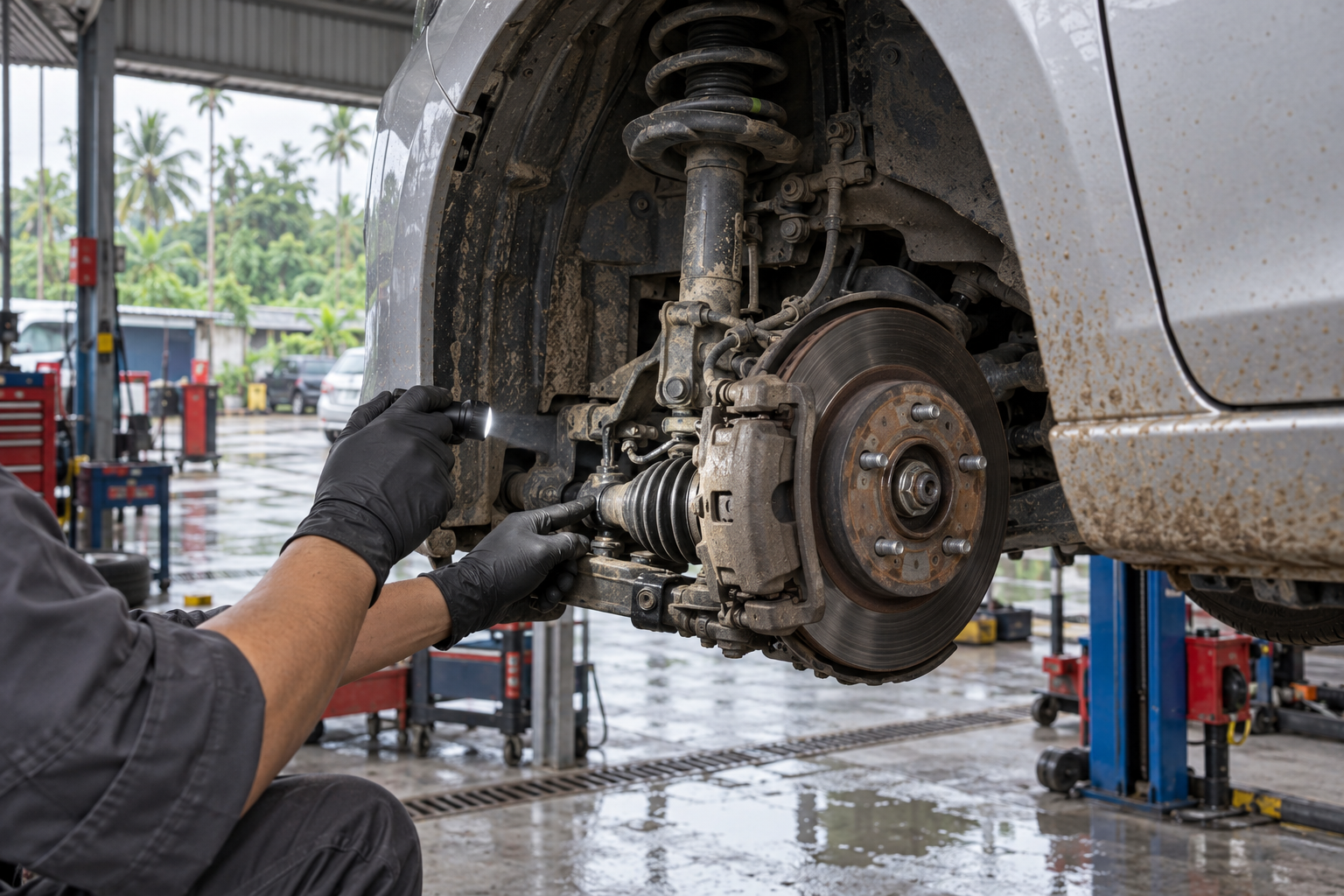
The Road Transport Act Just Got Tougher. Here's What It Means for Your Car's Parts
21 Oct 2026
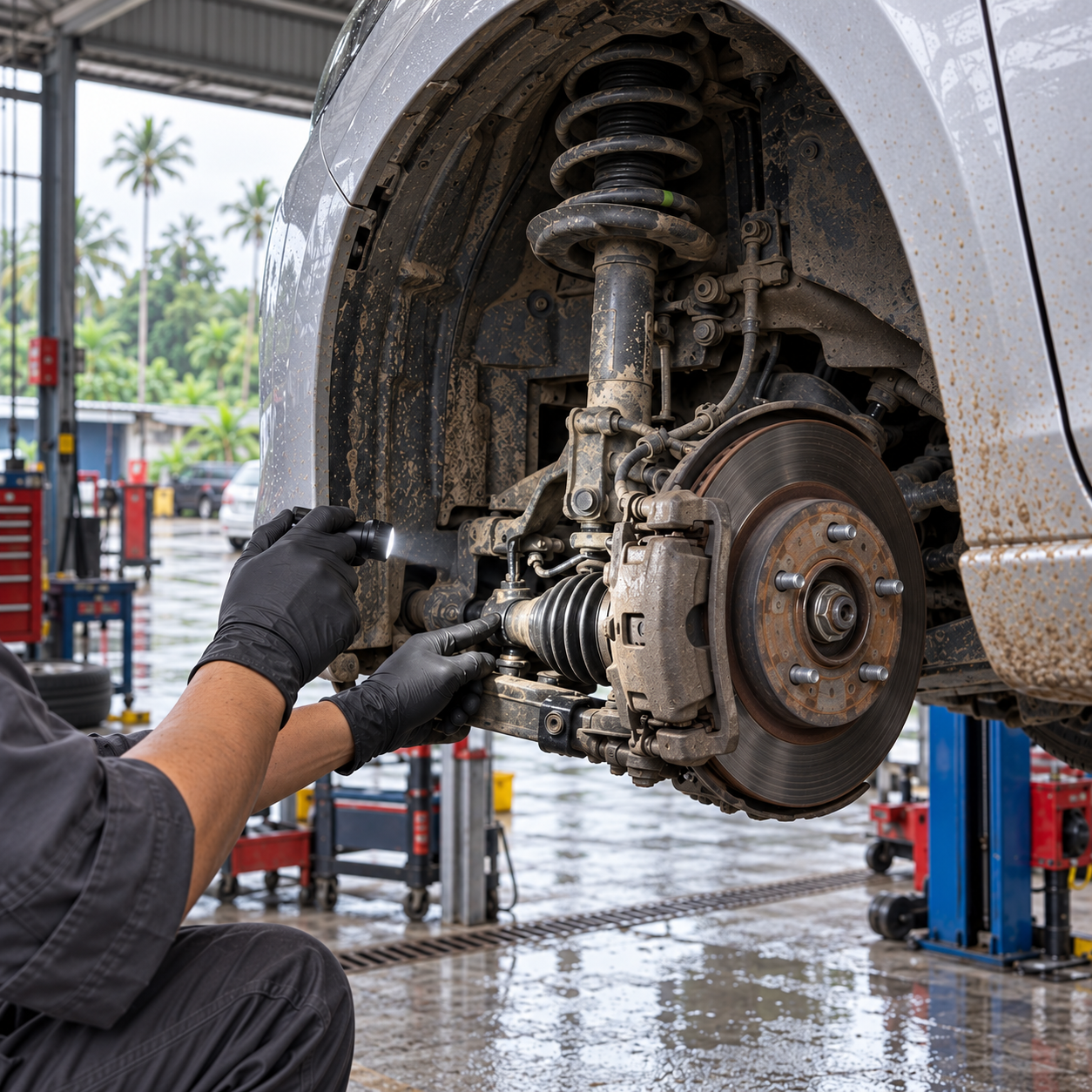
Drove Through Flood Water? The Parts Under Your Car That Need a Look Next
19 Oct 2026
A Record Year on the Road Means a Record Year Ahead for Maintenance
12 Oct 2026
Budget 2027 Puts E-Hailing Car Maintenance on the National Agenda
12 Oct 2026
 Whatsapp Us NowSaiko Automotive

