


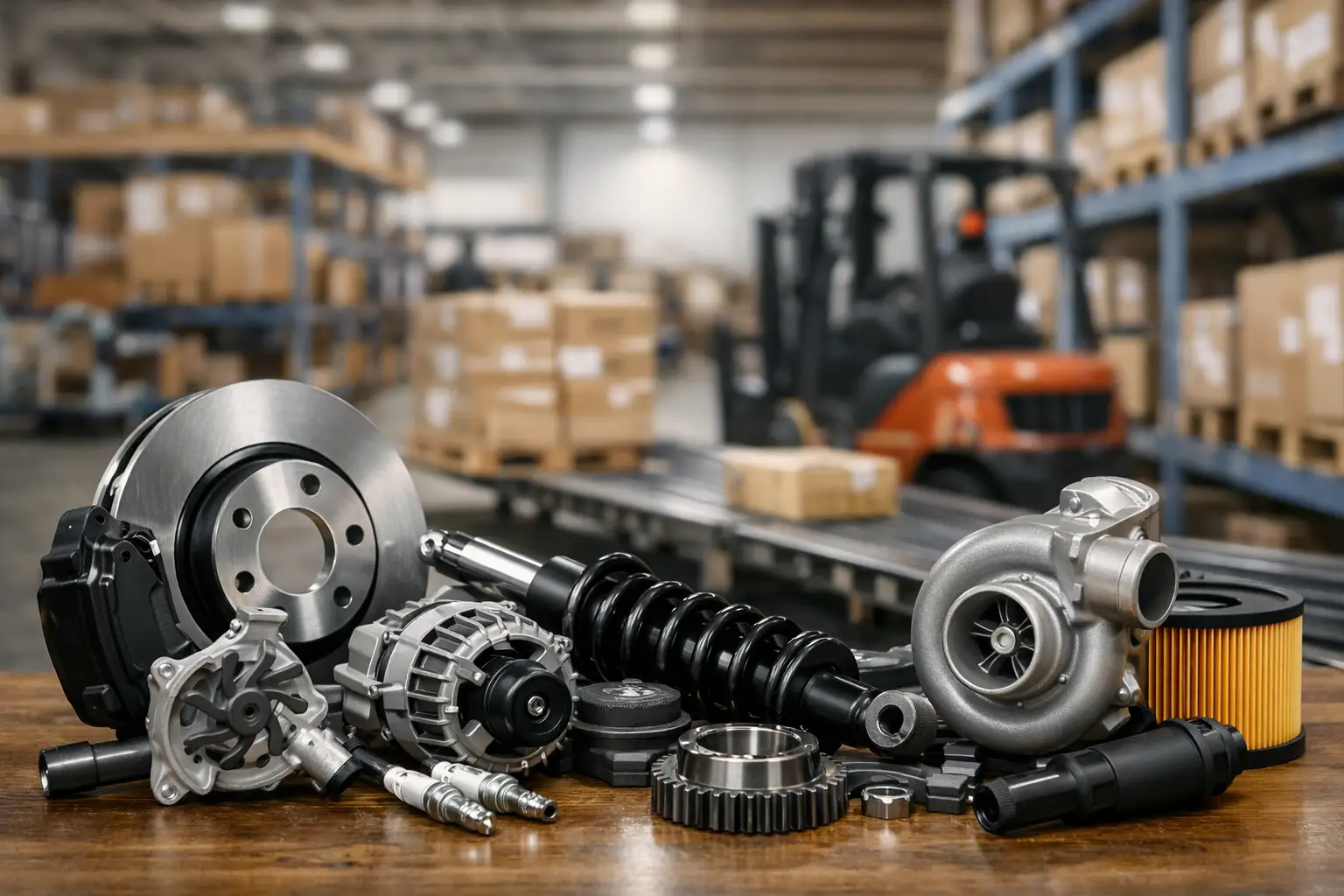
Automotive Spare Parts Supply Chain Basics
A brake job delayed by one missing component can stall an entire service bay. A suspension repair done with inconsistent parts can come back as noise, vibration, or early wear. That is why the automotive spare parts supply chain matters far beyond warehousing and delivery. It directly affects repair speed, fitment accuracy, customer trust, and the long-term performance of every vehicle on the road.
For workshops, retailers, and distributors, supply chain performance shows up in practical ways. Can you get the right control arm, wheel hub, timing chain kit, or tie rod end when the vehicle is already on the lift? Can you trust the quality from batch to batch? Can you serve a wide range of Japanese, Korean, local Malaysian, and other passenger vehicle models without carrying unmanageable stock? Those questions sit at the core of a dependable aftermarket business.
Many people think of the supply chain as shipping alone. In reality, it starts much earlier and ends much later. It begins with product planning, vehicle application research, and material selection. It continues through manufacturing, quality control, packaging, inventory planning, distribution, dealer support, and final installation.
In the aftermarket, this chain is more demanding than it looks. Unlike a narrow OEM program built around a limited production run, aftermarket supply must support vehicles of different ages, brands, and maintenance histories. A supplier may need to cover steering, suspension, drivetrain, braking, and engine-timing parts across hundreds of applications. That means the supply chain has to balance depth, breadth, and consistency at the same time.
This is where a strong catalog and fitment discipline become critical. If application data is weak, even a well-made part can create problems. Wrong fitment wastes labor time, ties up workshop bays, and damages confidence. Good supply chain management is not only about having stock. It is about having the correct stock, correctly identified, and ready to move.
A part can meet technical standards on paper and still fail the market if the supply chain behind it is inconsistent. Workshops do not measure performance in test reports alone. They measure it in return rates, installation ease, warranty claims, and whether the vehicle comes back with the same complaint.
Reliable supply chains reduce variation. That means more stable materials, better dimensional control, and tighter oversight from production to packing. For categories such as ball joints, strut mounts, shock absorbers, steering racks, and brake components, consistency matters because these parts affect safety, ride quality, and handling. Small variations can become large problems once the car is back on the road.
There is also a commercial side. Dealers and retailers need products that move steadily and protect their reputation. Workshops need parts that fit right the first time and do not create avoidable comebacks. Car owners want value, but they also want peace of mind. A dependable supply chain supports all three.
The biggest challenge is range. Passenger vehicle markets are fragmented, and demand is rarely even. A workshop may need fast-moving items for common models today, then a less common hub bearing or rack end tomorrow. Stocking everything heavily is expensive, but stocking too lightly risks missed sales and delayed repairs.
The second challenge is forecasting. Wear-and-tear categories follow patterns, but local driving conditions, weather, road surfaces, and vehicle age can shift demand. Suspension and steering components may move faster in areas with rougher roads. Brake parts can be more predictable, while timing system demand may come in waves tied to mileage intervals and repair cycles.
The third challenge is lead time. Long replenishment cycles force businesses to hold more inventory. Shorter cycles improve flexibility, but only if planning and distribution are disciplined. It depends on the category. A fast-moving stabilizer link needs different stock logic than a slower-moving steering rack. Treating all SKUs the same usually leads to either dead stock or shortages.
Counterfeit and low-grade parts are another real issue. They distort pricing, weaken market trust, and create safety risks. In this environment, traceability and brand credibility matter. Buyers increasingly look for suppliers that back their range with quality control, testing standards, and a proven dealer network rather than simply the lowest price.
A good aftermarket supplier does more than fill orders. It reduces friction across the repair process. That starts with broad and relevant vehicle coverage. If one supplier can support a large mix of local, Japanese, Korean, and international passenger vehicles, workshops spend less time chasing multiple sources for the same job.
It also depends on category strength. Workshops prefer suppliers that understand how related parts move together. A suspension repair may involve control arms, ball joints, stabilizer links, strut mounts, and shock absorbers. A steering job may require tie rod ends, rack ends, or a steering rack. If these items are available through one dependable source, purchasing becomes faster and more accurate.
Quality control is the next layer. OE-standard testing, stable manufacturing, and careful inspection reduce the chance of fitment issues and early failure. This is especially important for businesses that rely on repeat customers. One bad part can erase the margin from several good sales once labor claims, returns, and lost trust are counted.
Distribution strength also matters. A supplier with a wide dealer and distributor footprint can support faster market coverage and better stock flow. That improves availability where it counts, at the workshop counter and parts retailer shelf. For a market that values both reliability and competitive pricing, scale helps create a better balance between service level and cost.
End users may never use the phrase automotive spare parts supply chain, but they feel its effects every time they service a car. If the right part is available quickly, repair time is shorter. If the part fits correctly, the vehicle returns to normal performance without repeated visits. If the supplier maintains consistent quality, the owner gets better durability and value.
This is particularly important for everyday items that influence safety and comfort. Brake system parts need dependable braking feel and stopping performance. Suspension parts affect stability, tire wear, and cabin comfort. Drivetrain and wheel hub components influence smoothness, noise levels, and confidence at speed. Good supply chain control helps protect those outcomes by reducing inconsistency before the part ever reaches the mechanic.
There is always a price discussion in the aftermarket, and that is fair. Not every customer needs the same solution, and budgets vary. But the lowest purchase price is not always the lowest ownership cost. If a cheaper part creates extra labor, shorter service life, or repeat repairs, the total cost climbs quickly. Value comes from the combination of durability, fitment accuracy, and ready availability.
The best supply chain partners are transparent in the areas that matter. They offer clear cataloging, wide vehicle coverage, stable product quality, and dependable stock support. They also understand that different buyers measure value differently. A retailer may focus on turnover and margin. A workshop may focus on fitment and reduced comebacks. A distributor may focus on range depth and replenishment reliability.
A brand like Saiko stands out in this environment because it aligns those priorities in a practical way. Broad coverage across more than 400 vehicle models, premium-grade quality, OE-standard testing, and a strong nationwide distribution network support the needs of workshops, dealers, and parts buyers who cannot afford inconsistency.
The best results come when product quality and supply chain discipline work together. One without the other is not enough. A large catalog without control creates confusion. Good quality without stock support creates delays. Competitive pricing without trust leads to short-term sales and long-term problems.
For the aftermarket, the real goal is simple. Keep the right parts moving to the right place at the right time, with quality that holds up once installed. When that happens, workshops work more efficiently, dealers sell with more confidence, and drivers stay on the road with fewer worries. That is what a dependable supply chain is supposed to do.
Recent Posts
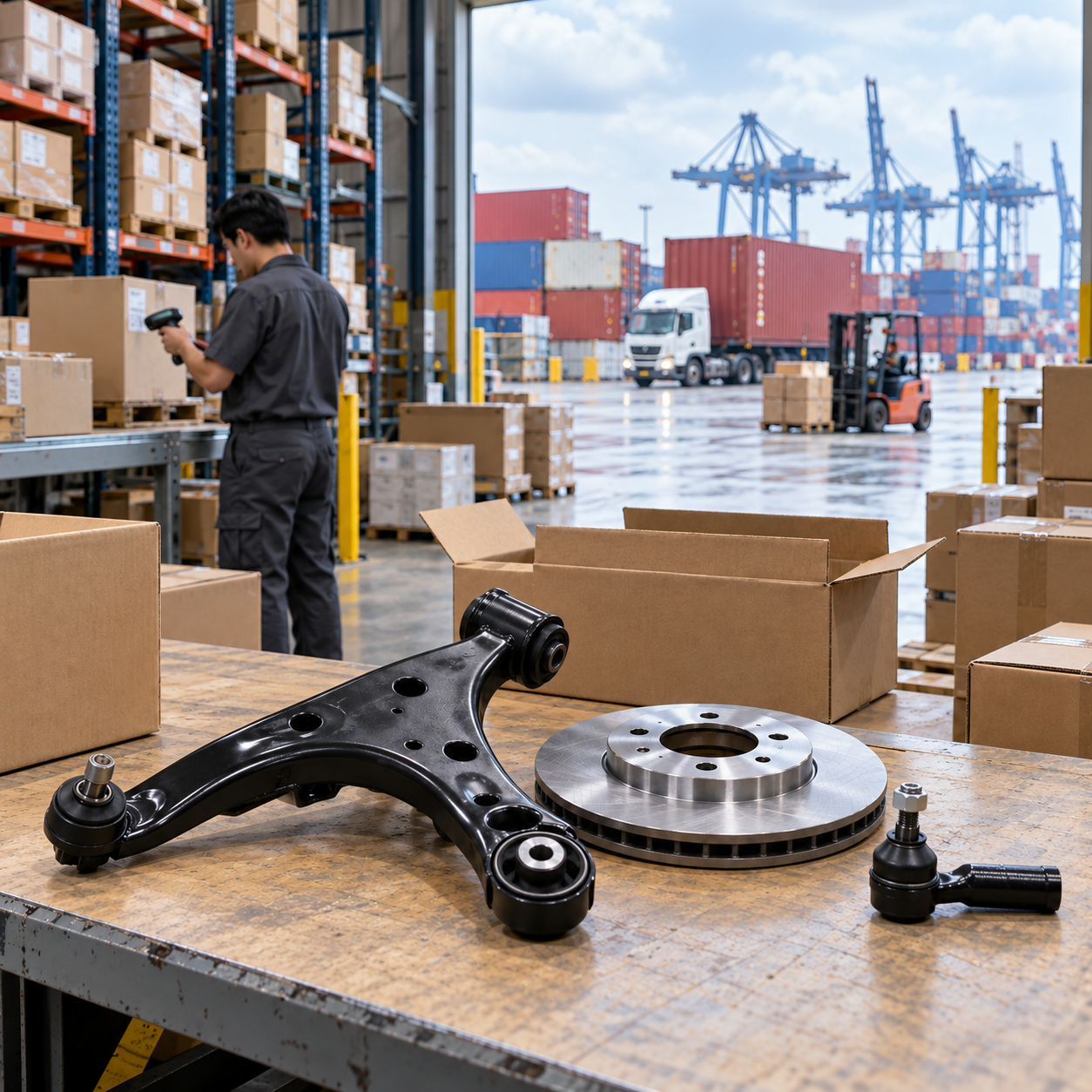
Automotive Trade Is on the Table in the Malaysia-EU FTA. Here's Why It Matters at the Parts Counter
23 Oct 2026
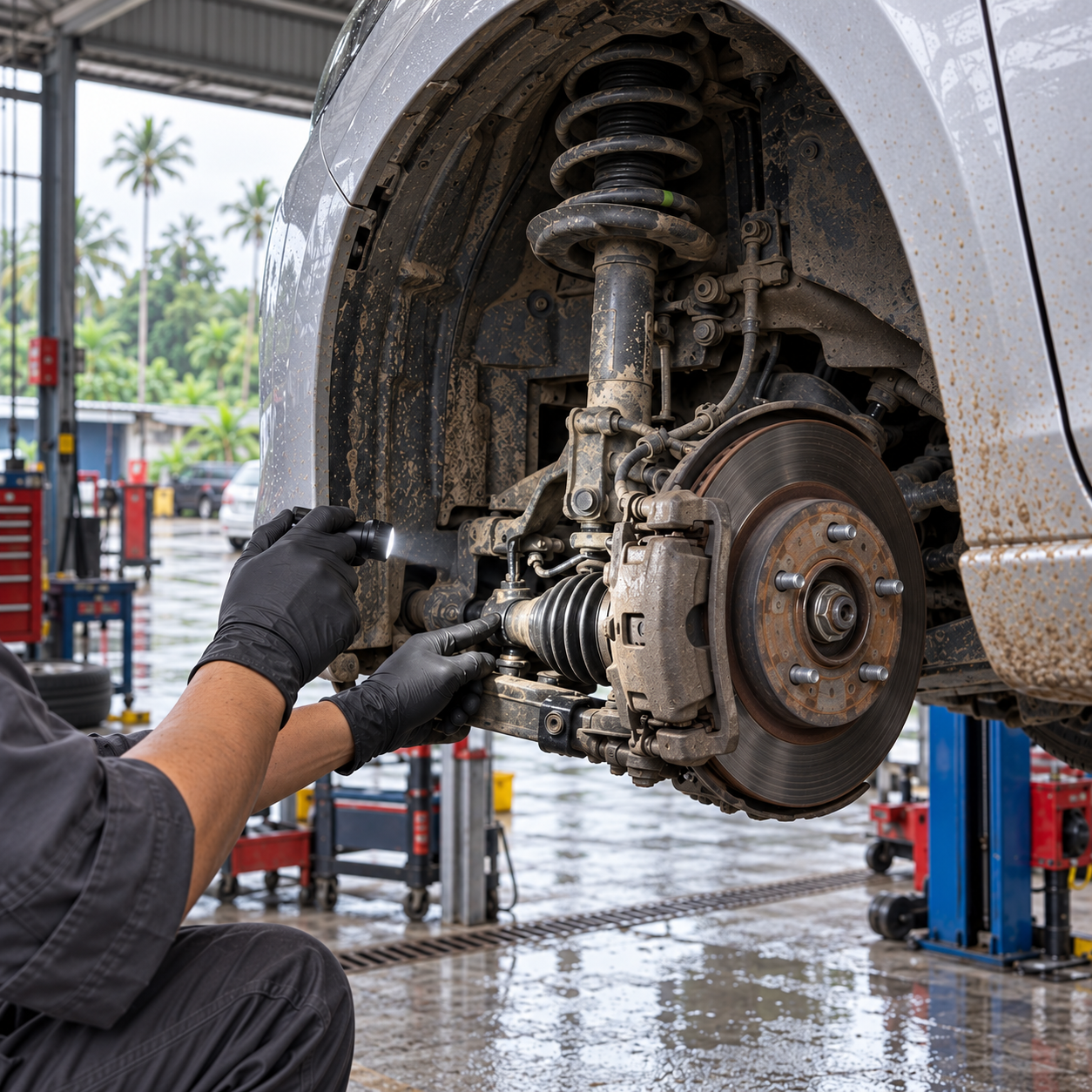
The Road Transport Act Just Got Tougher. Here's What It Means for Your Car's Parts
21 Oct 2026
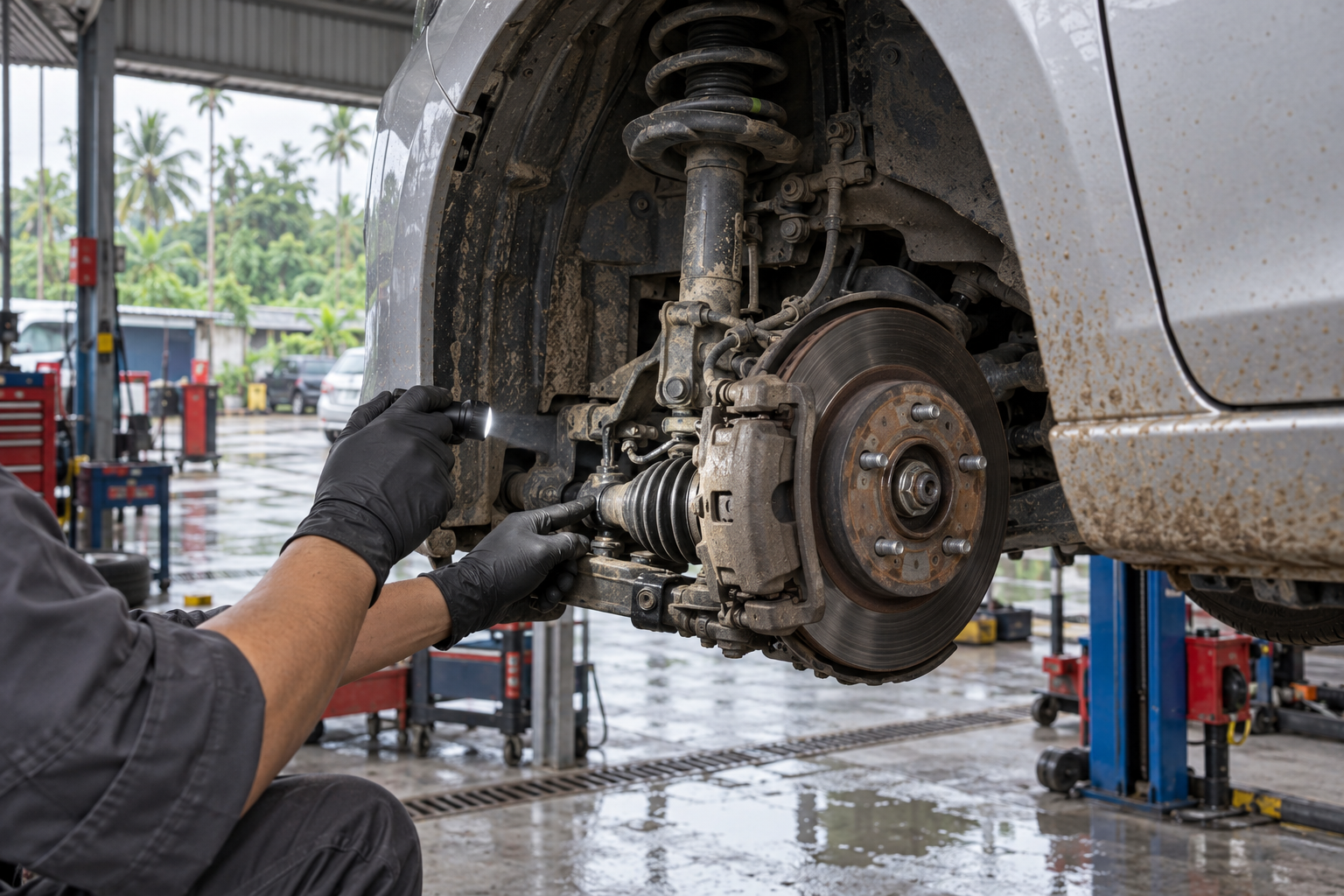
Drove Through Flood Water? The Parts Under Your Car That Need a Look Next
19 Oct 2026
A Record Year on the Road Means a Record Year Ahead for Maintenance
12 Oct 2026
Budget 2027 Puts E-Hailing Car Maintenance on the National Agenda
12 Oct 2026
 Whatsapp Us NowSaiko Automotive

