


Aftermarket Spare Parts Buying Guide
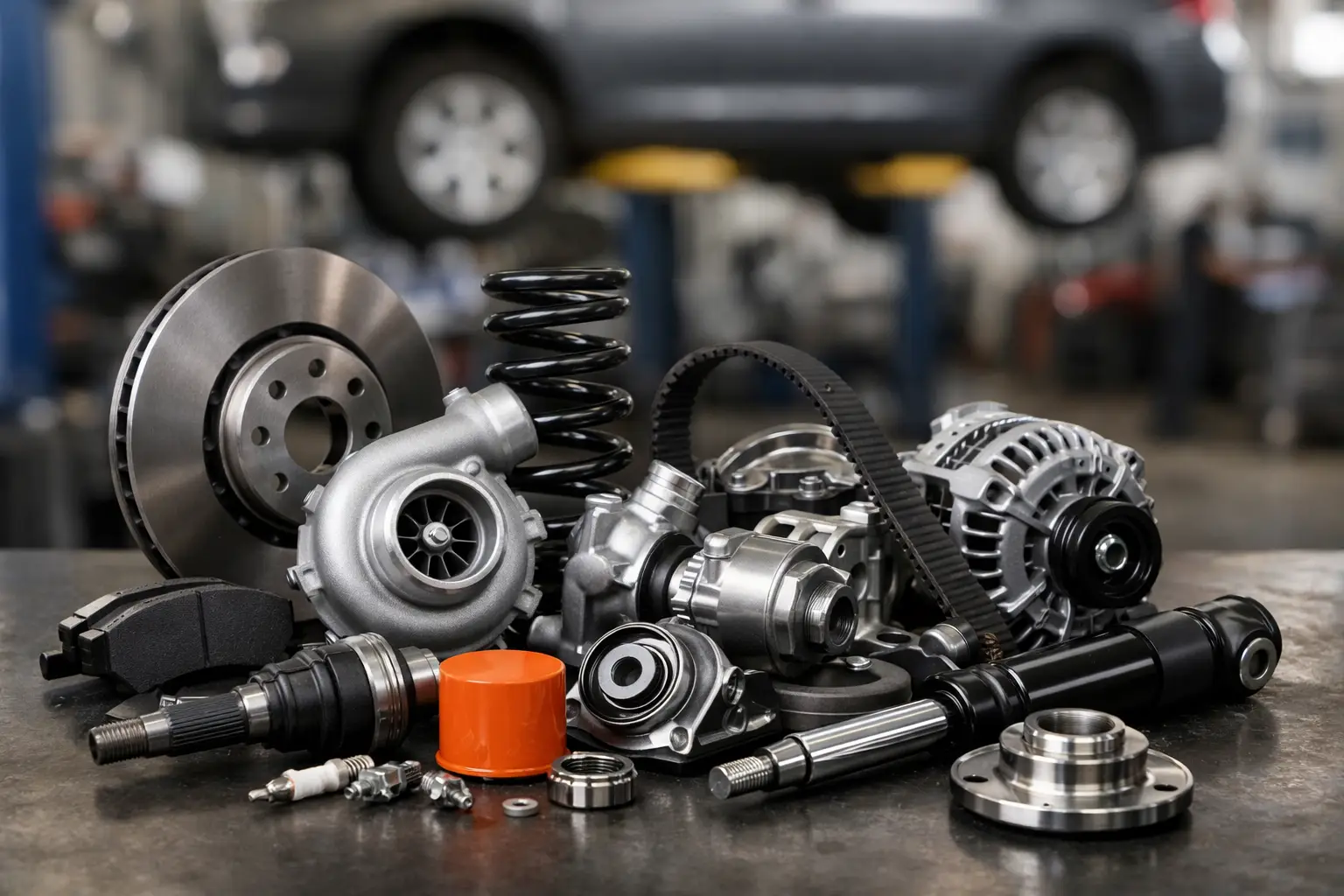
A part that looks right on the shelf can still create problems in the bay. Poor fitment, inconsistent materials, and short service life usually cost more than the price difference you thought you saved. That is why an aftermarket spare parts buying guide matters - not just for workshops and retailers, but also for drivers who want reliable repairs without overspending.
The aftermarket gives buyers more choice, broader availability, and better pricing than many original equipment channels. But choice only helps when you know what to check. A brake component, steering part, or timing kit should not be judged by packaging alone. The real question is whether it delivers safe, consistent performance across daily driving conditions and whether it fits the vehicle properly the first time.
The first step is to define what kind of buyer you are. A workshop is usually focused on accurate fitment, smooth installation, fewer comeback jobs, and dependable supply. A retailer is often balancing turnover, margin, and customer trust. A vehicle owner typically wants durability, safety, and value for money. Those priorities overlap, but they are not identical.
That is where many buying mistakes start. People compare prices before they compare specifications, application coverage, or quality control. In practice, the lowest purchase cost is not always the lowest operating cost. If a stabilizer link wears out early or a wheel hub creates noise too soon, the replacement job becomes more expensive for everyone involved.
A better approach is to judge each part on four essentials - fitment accuracy, material quality, tested performance, and supply consistency. If one of those areas is weak, the buying decision becomes riskier.
Fitment is the fastest way to separate a dependable part from a problematic one. Even a well-made component can become a bad purchase if it does not match the vehicle variant correctly. This matters even more in markets where one model name may have multiple engine types, year ranges, or regional specifications.
Before buying, confirm the exact vehicle details. Check make, model, year, engine, transmission, and where relevant, chassis or VIN reference. This is especially important for parts such as drive shafts, steering racks, control arms, timing chain kits, and brake system components, where small design differences can affect installation and performance.
Workshops already know the cost of getting this wrong. Extra labor time, alignment issues, customer dissatisfaction, and delayed handover all reduce profitability. Retailers face returns and damaged confidence. End users often just experience the final result - more waiting, more cost, and less trust in the repair.
A good supplier should make application matching easier, not harder. Clear cataloging, broad model coverage, and consistent product identification reduce errors before the box is even opened.
Many aftermarket parts look acceptable at first glance. Clean finishing and printed boxes can create confidence, but they do not prove long-term performance. The more useful questions are practical. Are the materials suitable for real road conditions? Has the part been tested to OE-standard expectations? Is the manufacturing quality consistent from batch to batch?
This is especially important for high-stress categories. Suspension and steering components deal with constant load, impact, and movement. Brake parts must perform under heat and repeated pressure. Drivetrain parts need strength and balance. Engine-timing components demand durability because failure can lead to severe engine damage.
For that reason, serious buyers look for signs of quality control, not just visual appeal. Consistency matters more than cosmetics. A dependable part should deliver the same standard whether it is purchased this month or next quarter. That stability is valuable for workshops that rely on predictable results and for retailers who want fewer complaints after the sale.
Not every part carries the same level of risk. Cabin trim and cosmetic accessories are one thing. Steering, suspension, braking, and wheel-end components are another. When buying safety-critical parts, it makes sense to raise the standard.
Take ball joints, tie rod ends, rack ends, and control arms. These parts directly affect handling, road stability, and tire wear. If tolerances are poor or materials wear prematurely, the result can be noise at first, then unstable driving later. The same applies to hub bearings and wheel hubs, where early failure can quickly become a safety issue rather than just a comfort issue.
For these categories, the smart buying question is not whether a part is cheap enough. It is whether the part is dependable enough. Buyers should prioritize proven quality, accurate fitment, and stable supply over short-term savings.
Value is not the same as low price. Good value means the part performs well for a reasonable period, installs correctly, and does not create avoidable follow-up costs. This is where experienced workshops often make better buying decisions than inexperienced buyers. They understand that labor, alignment, customer callbacks, and warranty handling all affect the true cost of a part.
A shock absorber is a good example. A cheaper unit may satisfy the invoice today, but if ride comfort drops quickly or oil leakage appears too soon, the buyer pays again through replacement and lost confidence. The same logic applies to brake components, drive shafts, and strut mounts.
Retailers should think this way too. Fast-moving parts only help the business if the quality remains stable enough to protect repeat sales. A part that sells quickly but generates complaints can damage customer retention. Stable quality supports both margin and reputation.
A strong part is only useful if you can get it when needed. Availability often gets ignored until a vehicle is stuck on the lift or a customer needs a replacement urgently. At that point, supply strength becomes part of product quality.
For workshops and dealers, dependable sourcing reduces downtime and improves planning. For retailers, broad stock coverage means better service and more complete product offerings across popular passenger vehicle brands. For car owners, it means less waiting and less pressure to accept whatever is available.
This is one reason established aftermarket suppliers hold an advantage. Wider catalog coverage, clearer applications, and stronger distribution support create a more reliable buying experience. In Malaysia, buyers often need coverage across Japanese, Korean, local, and other international models, so range matters just as much as quality.
Workshops should focus on parts that save time in real operating conditions. Accurate fitment, installation consistency, and low defect rates matter because they directly affect labor efficiency. A technically acceptable part that creates repeated fitting adjustments is still a poor workshop choice.
It also helps to buy from suppliers with strong category depth. If the same source can cover steering, suspension, drivetrain, braking, and engine-timing needs across many vehicle models, ordering becomes simpler and service jobs move faster. That practical advantage is one reason established aftermarket brands continue to earn workshop loyalty.
Retailers need products that move, but they also need confidence after the sale. That means choosing brands with recognizable reliability, steady product quality, and enough range to serve mixed customer demand. Broad coverage across more than 400 vehicle models, for example, gives retailers more room to serve workshops and walk-in buyers without overcomplicating stock selection.
A brand like Saiko stands out here because buyers are not just looking for a box on a shelf. They want premium-grade replacement parts backed by quality control, OE-standard testing, and wide market coverage that supports everyday business.
If you are an end user, you do not need to memorize every technical detail. You do need to ask the right questions. Is the replacement part matched correctly to your car? Is it from a trusted aftermarket supplier with a record of quality? Is the part intended to deliver safe, durable everyday use rather than just the cheapest possible repair?
You should also be realistic about where compromise is acceptable. For non-critical items, budget may play a larger role. For braking, steering, suspension, and wheel-end components, reliability should come first. Saving a small amount on a critical part rarely feels worthwhile when noise, wear, or safety concerns show up early.
The best buying decisions usually come from a simple mindset: buy the part that solves the problem properly, fits correctly, and stands up to real use. When quality, coverage, and value are all working together, the repair lasts longer and confidence comes back to the driver. That is what a good aftermarket purchase should deliver.
Recent Posts
Automotive Trade Is on the Table in the Malaysia-EU FTA. Here's Why It Matters at the Parts Counter
23 Oct 2026
The Road Transport Act Just Got Tougher. Here's What It Means for Your Car's Parts
21 Oct 2026
Drove Through Flood Water? The Parts Under Your Car That Need a Look Next
19 Oct 2026
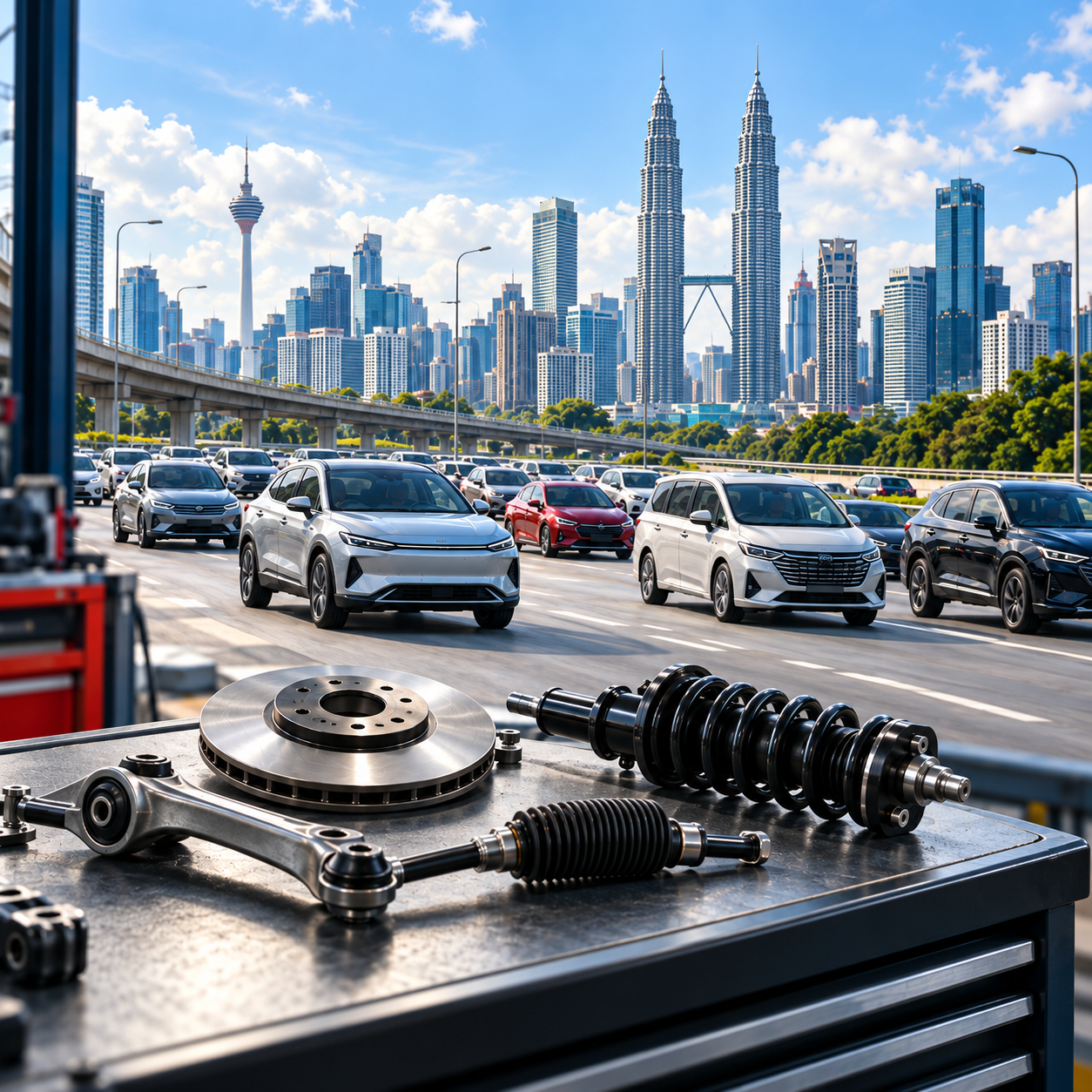
A Record Year on the Road Means a Record Year Ahead for Maintenance
12 Oct 2026
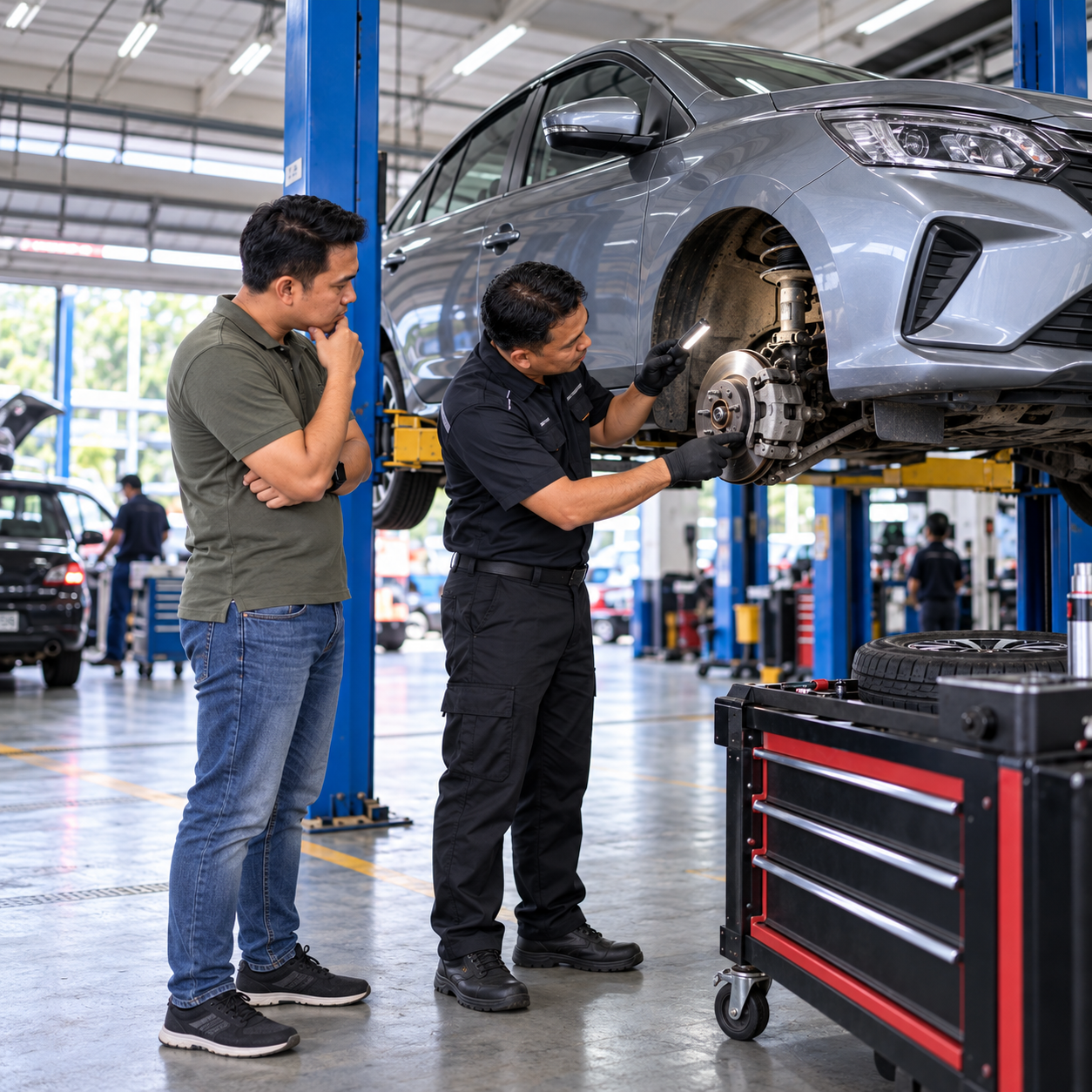
Budget 2027 Puts E-Hailing Car Maintenance on the National Agenda
12 Oct 2026
 Whatsapp Us NowSaiko Automotive

