


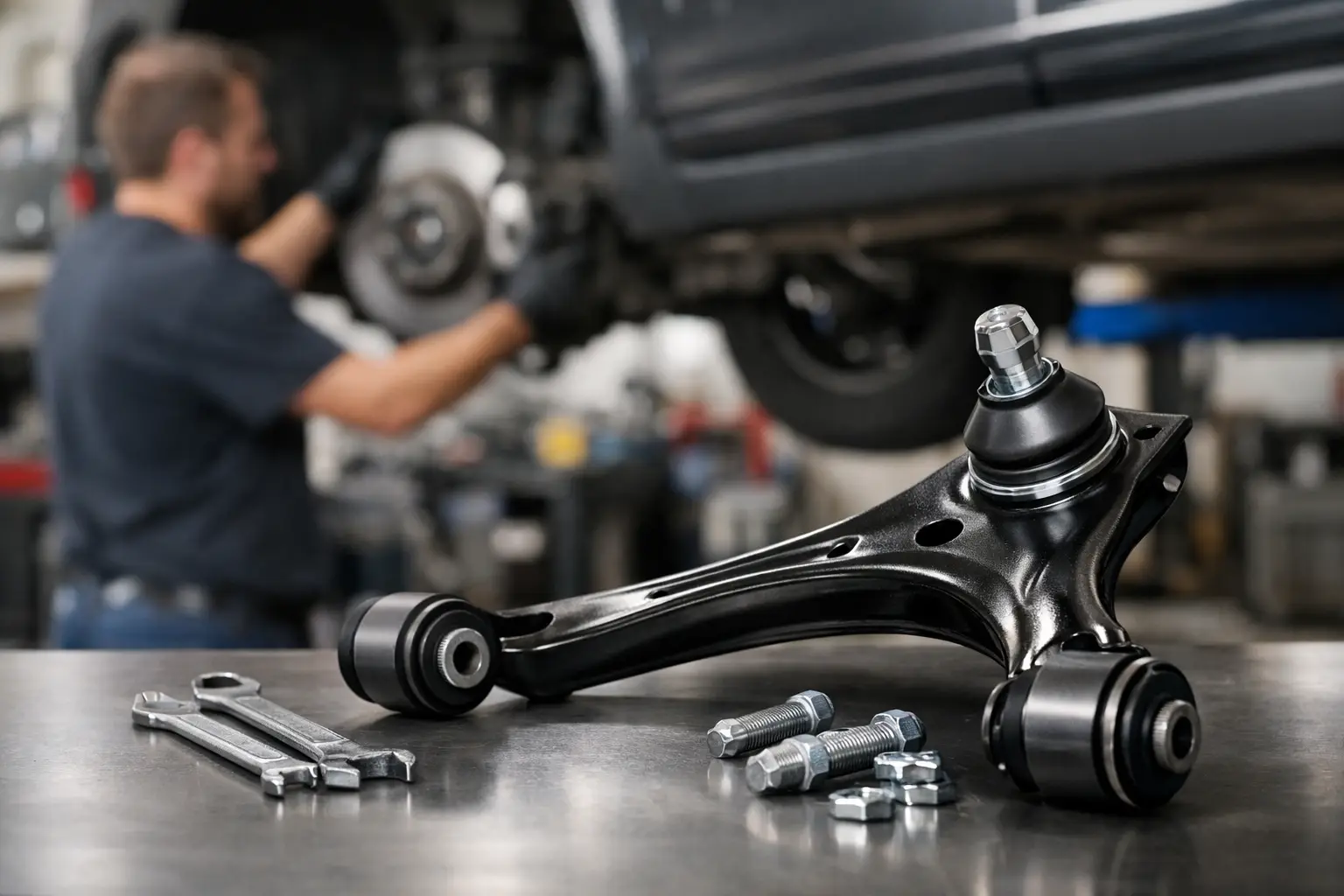
Aftermarket Control Arm Replacement Guide
A car that pulls slightly to one side, clunks over bumps, or chews through tires faster than it should often points to one area first - the suspension. In many cases, aftermarket control arm replacement becomes the practical fix, especially when worn bushings or ball joints start affecting alignment, steering feel, and overall ride stability.
Control arms do more than connect the wheel assembly to the chassis. They help keep the tire planted, maintain suspension geometry, and support predictable handling during braking, cornering, and rough-road driving. When a control arm wears out, the symptoms are rarely subtle for long. The vehicle may feel loose, less stable, or simply harsher than normal.
Replacing a worn control arm is not just about getting rid of noise. It is a safety and drivability decision. A damaged or heavily worn arm can change wheel alignment angles, increase tire wear, and place extra strain on related suspension parts. For workshops, that can mean repeat customer complaints if the root cause is missed. For retailers, it means customers increasingly want dependable parts that install correctly and hold up in daily use.
The reason many buyers choose aftermarket control arm replacement is simple - value has to come with reliability. A part may look similar on the shelf, but the real difference shows up in material quality, bushing durability, weld consistency, corrosion resistance, and fitment accuracy. A low-cost arm that creates installation delays or fails early is not a savings. It becomes extra labor, downtime, and damaged trust.
A control arm does not always fail in one dramatic moment. Wear usually builds over time. Rubber bushings crack or soften. Ball joints loosen. Metal components can bend after impact with potholes, curbs, or road debris. In some vehicles, the arm assembly is replaced as a complete unit because it saves labor and reduces the risk of mixing old and new wear points.
Common signs include knocking sounds on uneven roads, unstable braking, steering wander, uneven tire wear, and vibration through the steering wheel. If the wheel alignment does not hold after adjustment, the control arm or its mounting points may be part of the problem. On higher-mileage vehicles, replacing the full assembly can be more sensible than changing only one attached component.
Bushings and ball joints can create similar symptoms, but the repair approach may differ by vehicle design. If the bushing is worn, the arm may shift under load and create a vague or floating feel. If the ball joint is the weak point, the issue may feel more like looseness, clunking, or poor steering precision.
For many workshops, complete arm replacement is often the more efficient route. It reduces press work, shortens installation time, and improves consistency. That matters when the goal is fewer comebacks and faster bay turnover.
Not all aftermarket parts are built to the same standard. The right control arm should deliver accurate fitment, stable performance, and dependable service life under real driving conditions. That means looking beyond price alone.
Material strength matters because the arm must handle repeated road shock and suspension load. Bushing quality matters because cheap rubber compounds may degrade quickly in heat, water, and stop-and-go use. Ball joint integrity matters because premature play can affect steering safety. Surface finishing also matters more than many buyers expect, especially in markets where heat, rain, and road grime accelerate corrosion.
A dependable aftermarket control arm replacement should also be matched to actual vehicle application, not just approximate model grouping. Small differences in year range, engine type, body variation, or suspension setup can affect fitment. Accurate catalog coverage helps avoid wrong-part issues that waste time for dealers and workshops.
A control arm that is slightly off in dimensions or mounting alignment can create immediate problems. Installation may become harder, alignment may fall outside specification, or the bushing may sit under stress from day one. Even when the part can be forced into place, long-term durability usually suffers.
That is why workshops prefer brands with consistent application data and stable manufacturing standards. Good fitment protects labor time. It also protects reputation.
Every buyer has a budget. That is real. But with suspension parts, the cheapest option is not always the most economical one. A lower-grade control arm may reduce initial purchase cost, yet increase the chance of noise, short service life, or installation difficulty. Those issues can quickly outweigh the savings.
For workshops, long-term value often means choosing parts that install cleanly and perform consistently. For retailers, it means stocking products customers come back for because they trust the quality. For drivers, it means a quieter ride, steadier handling, and less risk of paying twice for the same repair.
There are cases where a vehicle owner with an older car wants the lowest immediate cost. That happens. But even then, the smarter choice is usually a part that balances affordability with tested quality, rather than a no-name component with uncertain durability.
It depends on the vehicle condition, mileage, and wear pattern, but replacing left and right control arms together can make sense. If one side has worn enough to cause handling or alignment issues, the other side may not be far behind. Pair replacement can help restore more even suspension response and reduce the chance of a second repair shortly after.
This is especially relevant when bushings age similarly on both sides. A single-side repair may solve the immediate complaint, but the remaining older arm can still affect ride quality and steering balance. Not every car requires pair replacement, but it is often worth discussing with the customer upfront.
For parts sellers, control arms are not just another catalog item. They are a trust-sensitive product category. Customers expect the right fit, stable quality, and low warranty risk. That means supplier choice matters.
A strong aftermarket brand should offer broad vehicle coverage, dependable stock availability, and quality control that supports repeat business. In practical terms, retailers benefit from fast-moving references across popular Japanese, Korean, local Malaysian, and international passenger vehicle models. They also benefit from fewer returns caused by fitment issues or early part failure.
This is where established aftermarket suppliers have an advantage. A broad catalog backed by consistent standards helps dealers and workshops serve more vehicles without guessing on product reliability. For businesses that need dependable replacement parts across multiple suspension categories, that consistency supports both sales and customer confidence.
A proper control arm replacement should improve more than one symptom. Most drivers notice better steering stability, reduced noise over bumps, improved straight-line tracking, and a more settled ride. Tire wear may also become more even once the suspension geometry is restored and the alignment is corrected.
That said, results depend on the full condition of the suspension system. If shocks, stabilizer links, tie rod ends, or wheel bearings are also worn, replacing the control arm alone may not solve everything. Good workshops will usually inspect related parts before promising a complete fix.
After installing a control arm, wheel alignment is usually part of the proper repair process. Even if the old part came out and the new one went in without obvious difficulty, suspension angles can still change. Skipping alignment can shorten tire life and reduce the benefit of the repair.
When buying suspension parts, consistency matters as much as price. A supplier with strong model coverage, quality-focused production, and dependable distribution can make daily business easier for workshops and retailers alike. Saiko has built its position in the Malaysian aftermarket by focusing on exactly those priorities - reliable replacement parts, broad vehicle application coverage, and practical value that supports both trade customers and everyday drivers.
That kind of supply support matters because control arm replacement is not a one-time niche repair. It is a common suspension job, and buyers need confidence that the part they install today will still perform months down the road.
Aftermarket control arm replacement is ultimately about restoring control, comfort, and confidence on the road. When the part fits right, lasts well, and supports stable suspension performance, everybody benefits - the workshop, the seller, and the driver who just wants the car to feel right again.
Recent Posts
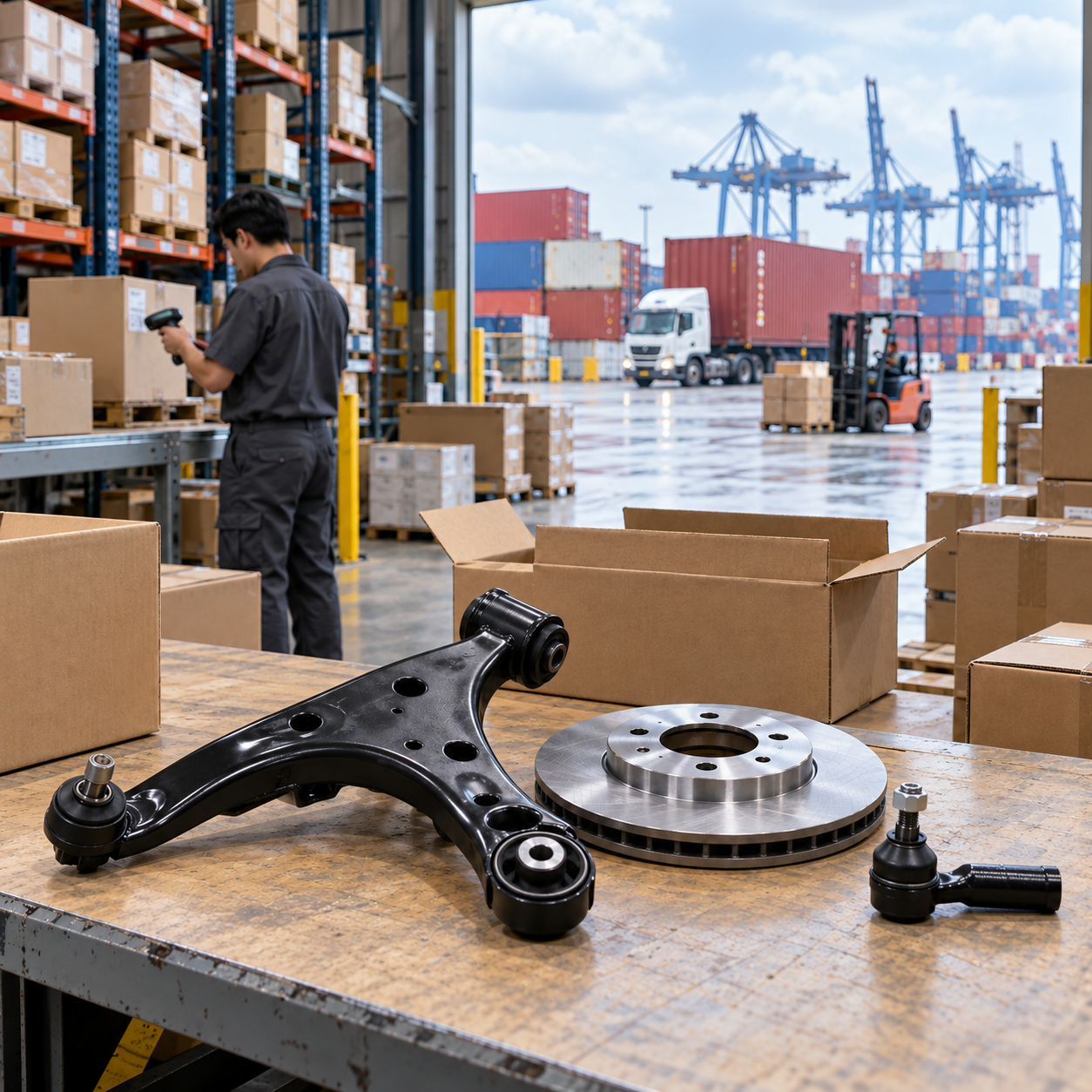
Automotive Trade Is on the Table in the Malaysia-EU FTA. Here's Why It Matters at the Parts Counter
23 Oct 2026
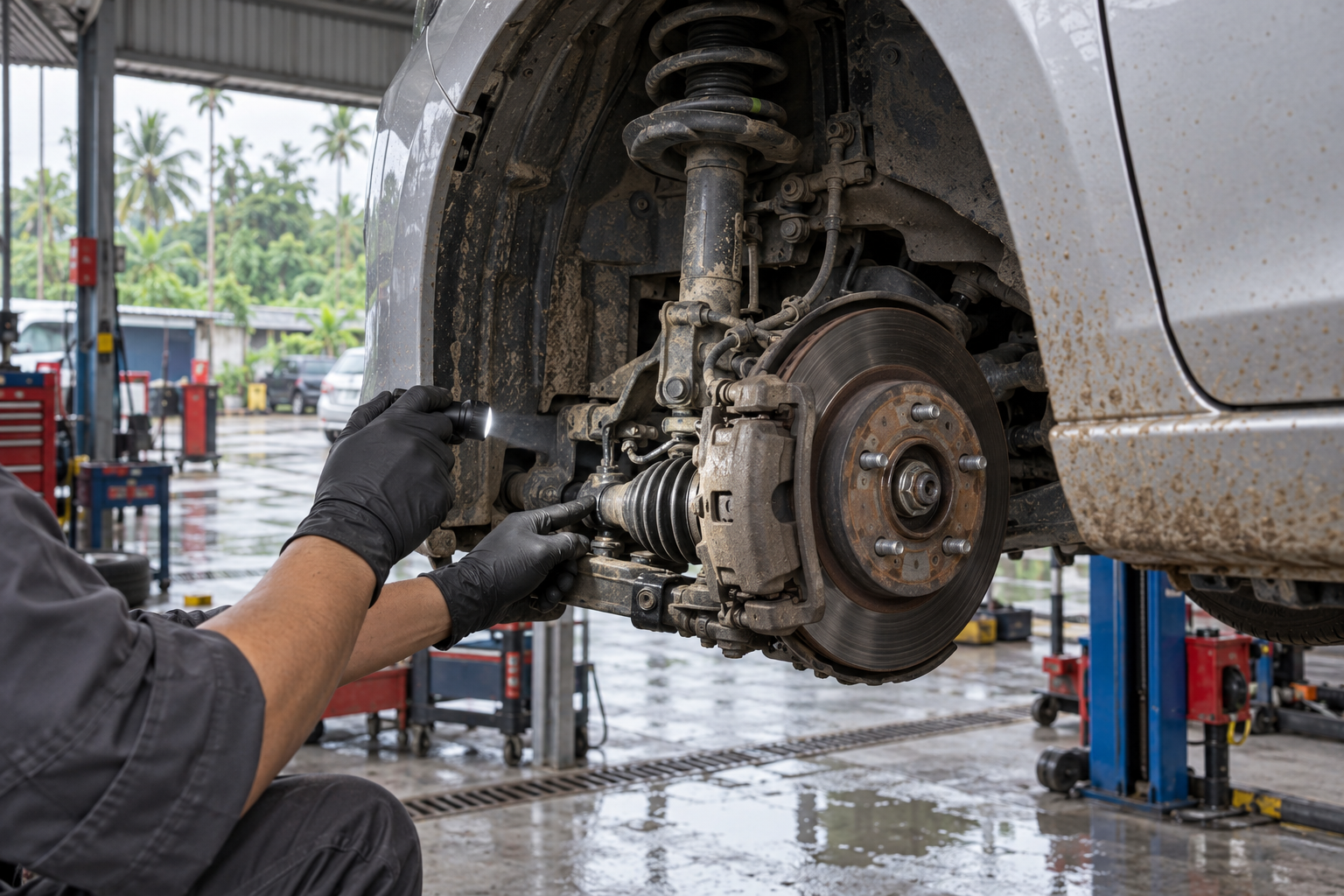
The Road Transport Act Just Got Tougher. Here's What It Means for Your Car's Parts
21 Oct 2026
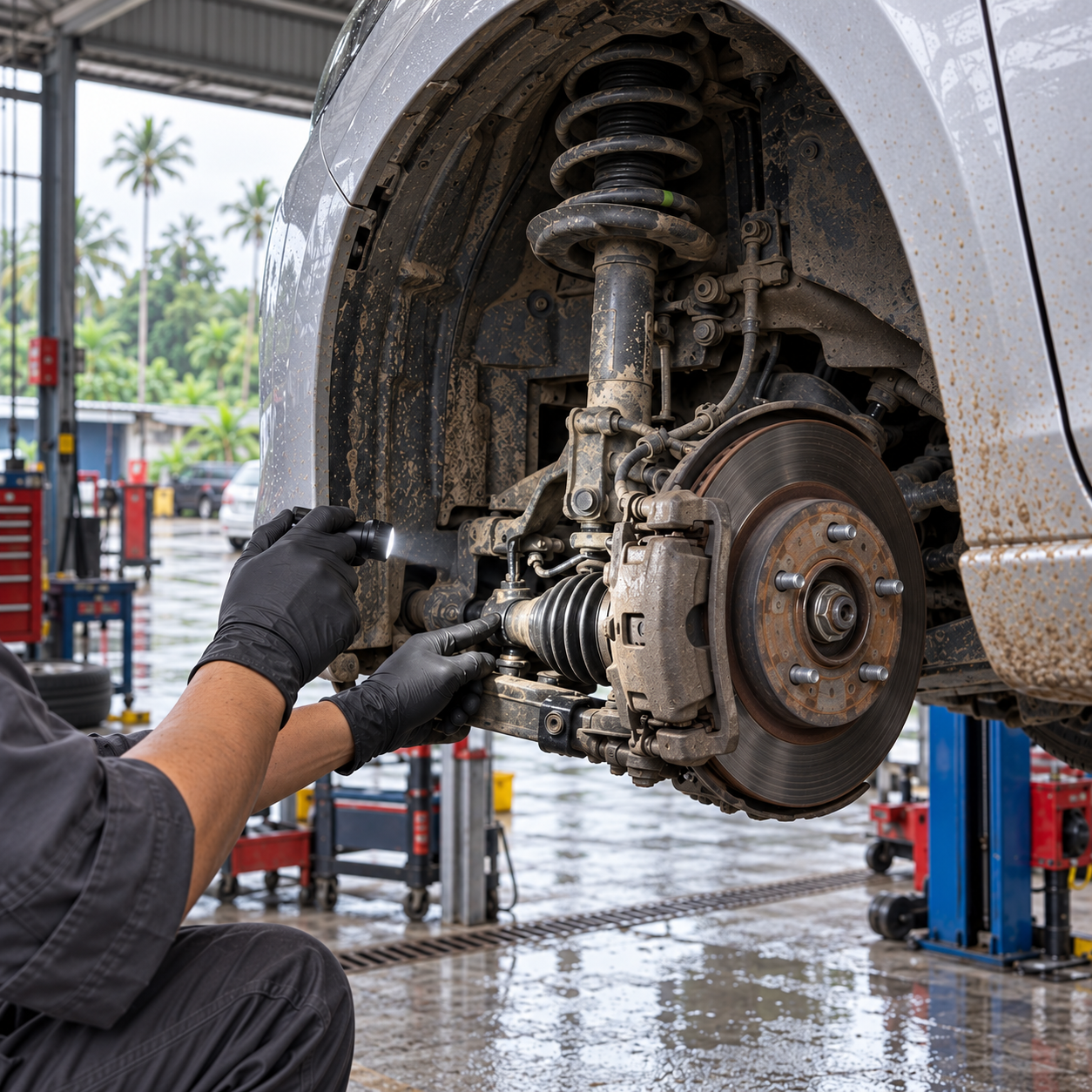
Drove Through Flood Water? The Parts Under Your Car That Need a Look Next
19 Oct 2026

A Record Year on the Road Means a Record Year Ahead for Maintenance
12 Oct 2026
Budget 2027 Puts E-Hailing Car Maintenance on the National Agenda
12 Oct 2026
 Whatsapp Us NowSaiko Automotive

