


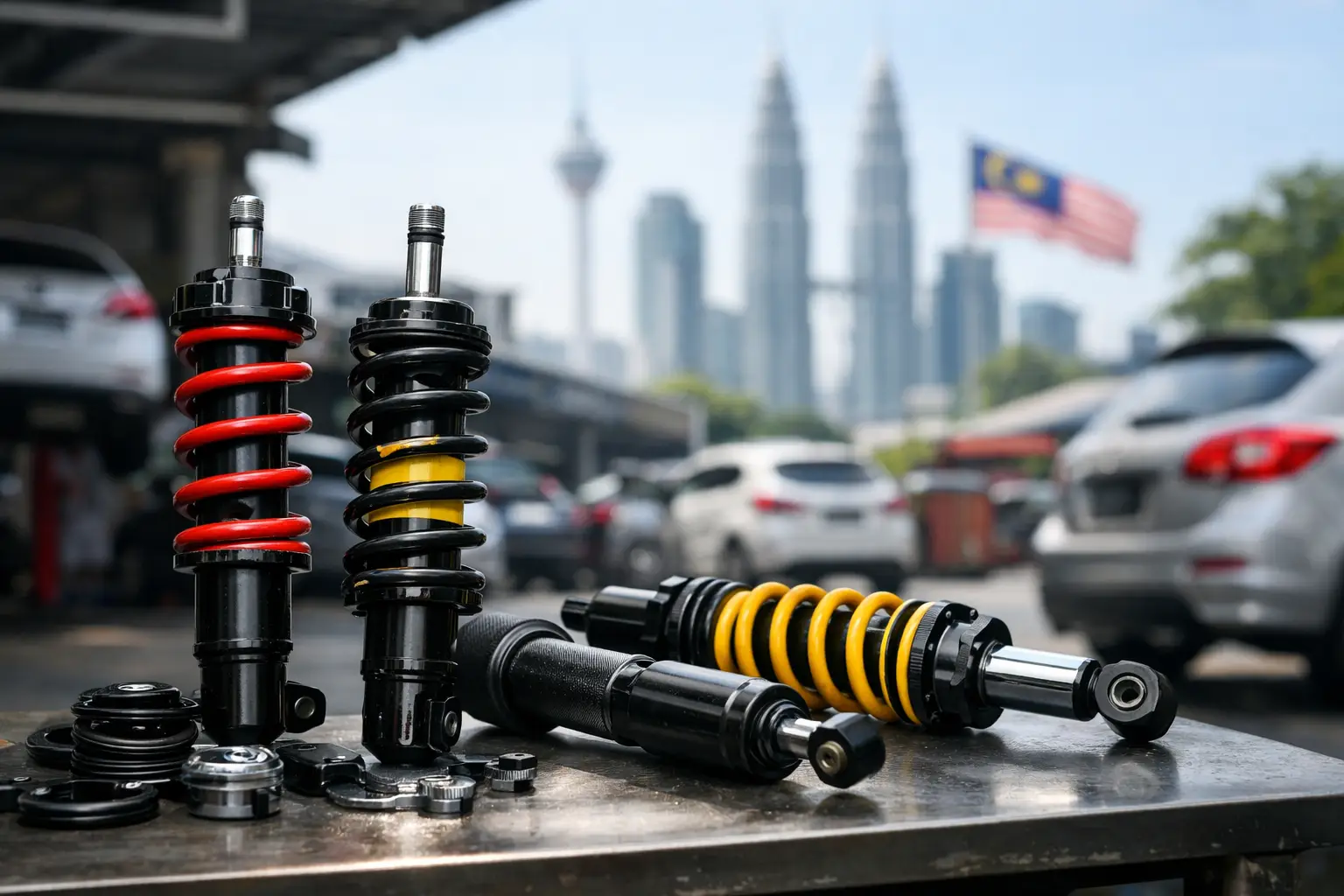
Where to Buy Shock Absorber in Malaysia
A shock absorber usually starts asking for attention before it fully fails. The ride gets bouncy over speed bumps, the car leans more in corners, braking feels less settled, or you hear knocking from the suspension area. If you are searching for where to buy shock absorber in Malaysia, the real question is not only where to find one, but where to get the right part with the right fitment, dependable quality, and proper local support.
That matters more in Malaysia than many drivers realize. Daily stop-and-go traffic, uneven road surfaces, potholes, highway expansion joints, and long-term heat exposure all put suspension parts under steady stress. A cheap unit that looks acceptable on the shelf can become noisy, soft, or inconsistent much sooner than expected. For workshops and spare parts retailers, that creates comeback risk. For car owners, it means wasted money and a car that still does not feel right after replacement.
The safest place to buy is not simply the cheapest online listing or the nearest general parts counter. A better approach is to buy from an established automotive parts dealer, distributor, or workshop with clear vehicle application knowledge and a consistent supply of aftermarket parts from a known brand. This reduces the risk of getting the wrong side, wrong mounting type, wrong damping specification, or stock of uncertain origin.
In Malaysia, buyers usually choose from three channels. The first is a local spare parts retailer that can check fitment based on vehicle model, year, and engine variant. The second is a workshop that can both supply and install, which is useful when you want the mechanic to inspect related items such as strut mounts, lower arms, stabilizer links, and alignment condition at the same time. The third is a distributor or dealer network that carries broader stock coverage for fast-moving Japanese, Korean, Malaysian, and other passenger vehicle models.
Each option has trade-offs. A workshop offers convenience and diagnosis, but prices may include labor margin. A retailer may offer faster price comparison, but fitment accuracy depends on the staff's experience. A wider dealer network often gives better availability across multiple models, which matters if you are sourcing parts for a workshop, fleet, or retail business.
A reliable seller should be able to answer basic but important questions clearly. They should know whether the part fits the exact vehicle application, whether it is front or rear, left or right where relevant, and whether related hardware should be replaced together. If they cannot answer those points, the transaction is already more risky than it looks.
Stock consistency matters too. Some buyers focus only on price, but suspension parts are not items you want to replace twice because the first set had inconsistent damping or poor durability. Reliable sellers usually work with brands that maintain quality control, tested performance, and stable specifications across batches. They also tend to carry parts for a wide range of models instead of offering random mixed inventory based only on whatever is cheapest that month.
Good after-sales support is another strong sign. If a retailer or workshop can help verify fitment, explain replacement intervals, and recommend checking surrounding suspension components, you are more likely to get a proper repair instead of a partial fix.
Not every aftermarket shock absorber offers the same value. Some are attractive only because of the initial price. A better buying decision comes from looking at fitment accuracy, durability, ride control, and support availability together.
Precise fitment is one of the first things to check. Even a decent-quality part becomes a bad purchase if installation is difficult or if the mounting points are slightly off. Workshops especially prefer parts that install cleanly and reduce time wasted on adjustment or rework.
Then look at the intended use of the vehicle. A city-driven compact sedan may need comfort-biased damping, while a heavily used family SUV or e-hailing vehicle benefits from stable control and dependable long-term performance. There is no single best shock absorber for every Malaysian driver. It depends on road conditions, load, mileage, and whether you value comfort more than a firmer feel.
You should also consider whether the seller can supply matching suspension items if needed. When shock absorbers wear out, related components often show wear at the same time. If the car still feels unstable after replacing only the shocks, the real issue may also involve strut mounts, lower arms, ball joints, or stabilizer links.
For workshops and spare parts retailers, the buying decision is more operational. They need dependable stock, broad vehicle coverage, competitive pricing, and fewer warranty headaches. That is why many trade buyers prefer established aftermarket suppliers with a strong dealer and distributor network across Malaysia.
A brand with nationwide coverage is usually better positioned to support common local applications, from Proton and Perodua to Japanese and Korean passenger vehicles. It also makes repeat ordering easier when fast-moving parts need replenishment quickly. For retail counters, that helps reduce lost sales. For workshops, it helps reduce delays that keep customer cars parked longer than necessary.
One practical option in the market is SAIKO, an established Malaysian aftermarket brand since 2007 that supplies OE-standard tested parts for more than 400 vehicle models through a nationwide network of over 500 dealers and distributors. For buyers looking beyond shock absorbers alone, that wider coverage is useful because suspension repairs often overlap with strut mounts, tie rod ends, lower arms, control arms, wheel hubs, and braking components.
The most common buying mistake is ordering by model name only. That sounds obvious, but many vehicles have year changes, engine differences, facelift variations, and trim-level differences that affect fitment. Always confirm the exact application before purchase.
It also helps to inspect the full repair picture. If the old shock absorber failed because of age and mileage, replacing only one side is usually not ideal. Most workshops recommend replacing in pairs across the same axle to maintain balanced handling and braking behavior. If the mounts or dust boots are also worn, keeping them just to save money can shorten the benefit of the new installation.
Another mistake is choosing a part only because the listing says it fits "most" versions. Suspension components should not be treated like universal accessories. If the seller cannot provide proper application checking, move on.
Online buying can work if the seller has strong fitment support and a clear reputation. It is useful for price comparison and may save time if you already know the exact part number. But it carries more risk when the listing is vague or when product photos are generic.
A physical retailer or workshop gives you a better chance to verify details on the spot. That is often the safer route for drivers who are unsure whether the issue is actually the shock absorber or another suspension component. It is also better if you want immediate inspection and installation.
For trade buyers, the best arrangement is often a known supplier network rather than one-off bargain hunting. Stable stock and predictable quality usually matter more over time than the lowest single invoice price.
Before you confirm the purchase, ask for the exact vehicle application, whether the part is front or rear, whether replacement should be done in pairs, and whether any related suspension parts should be inspected. Ask about product availability too. Some sellers quote an attractive price for stock they do not actually have ready.
If you are buying for a workshop or parts business, ask about model coverage, stock consistency, and support for repeat orders. A part that sells well but goes unavailable too often creates unnecessary disruption.
If you are a car owner, ask a simpler question: will this part solve the symptom I am feeling, or is it only one piece of a bigger suspension issue? That question alone can prevent an incomplete repair.
Finding where to buy shock absorber in Malaysia is not difficult. Finding one that fits properly, performs reliably, and comes from a supplier you can trust takes a more careful approach. The right seller should make that process easier, not leave you guessing after the part is already on the car.
Recent Posts
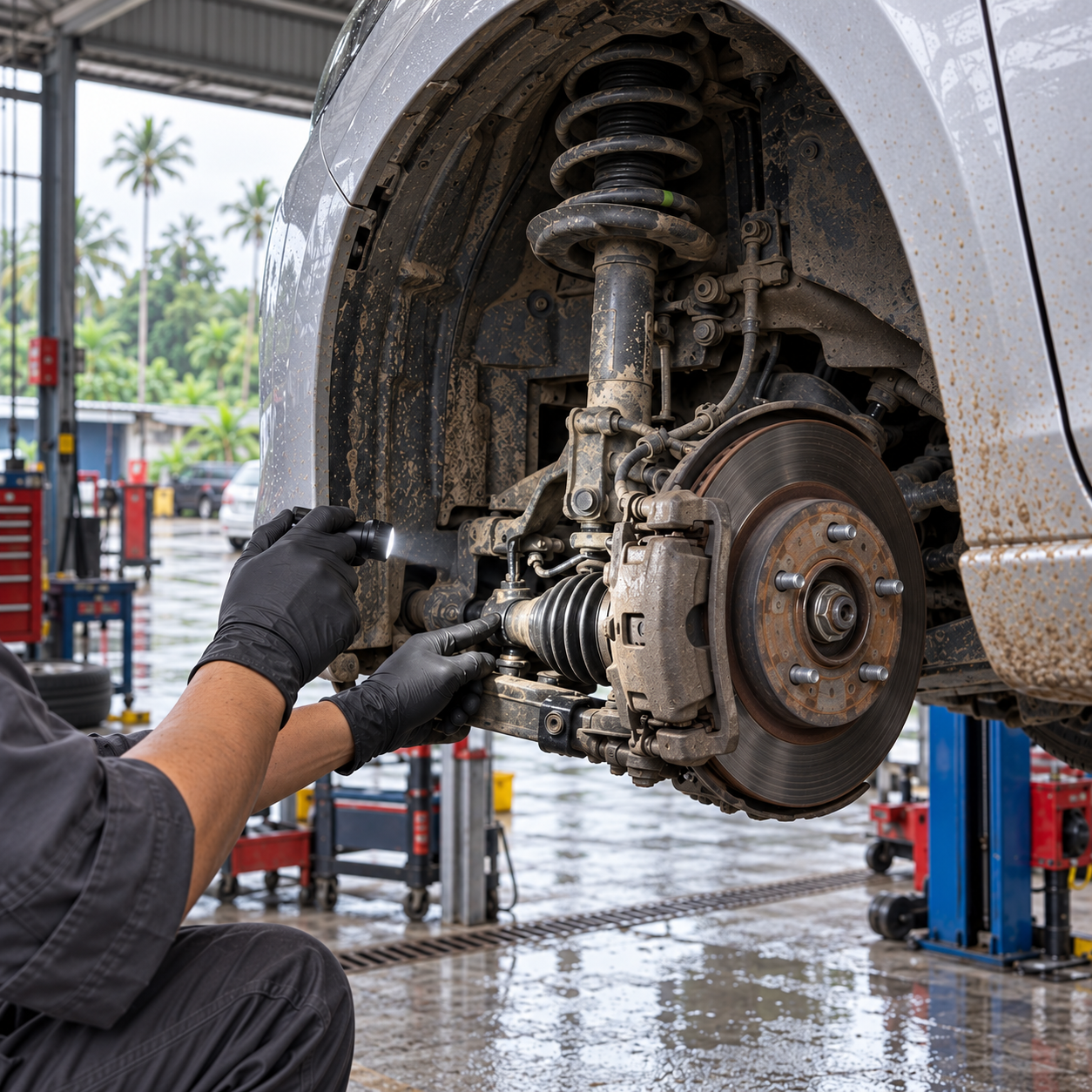
Drove Through Flood Water? The Parts Under Your Car That Need a Look Next
19 Oct 2026
A Record Year on the Road Means a Record Year Ahead for Maintenance
12 Oct 2026
Budget 2027 Puts E-Hailing Car Maintenance on the National Agenda
12 Oct 2026
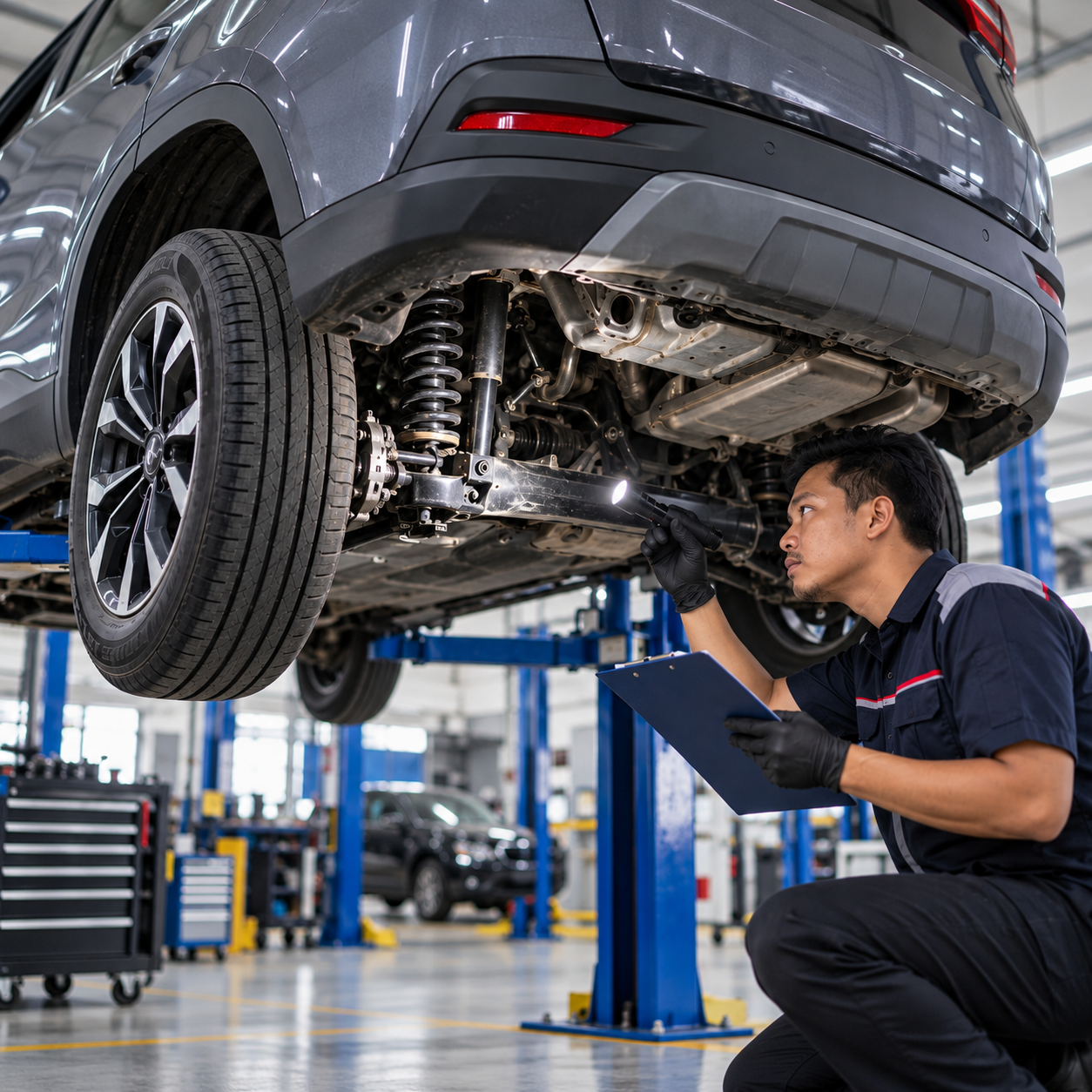
A Rear Axle Recall Is a Reminder: The Back of the Car Matters Too
12 Oct 2026
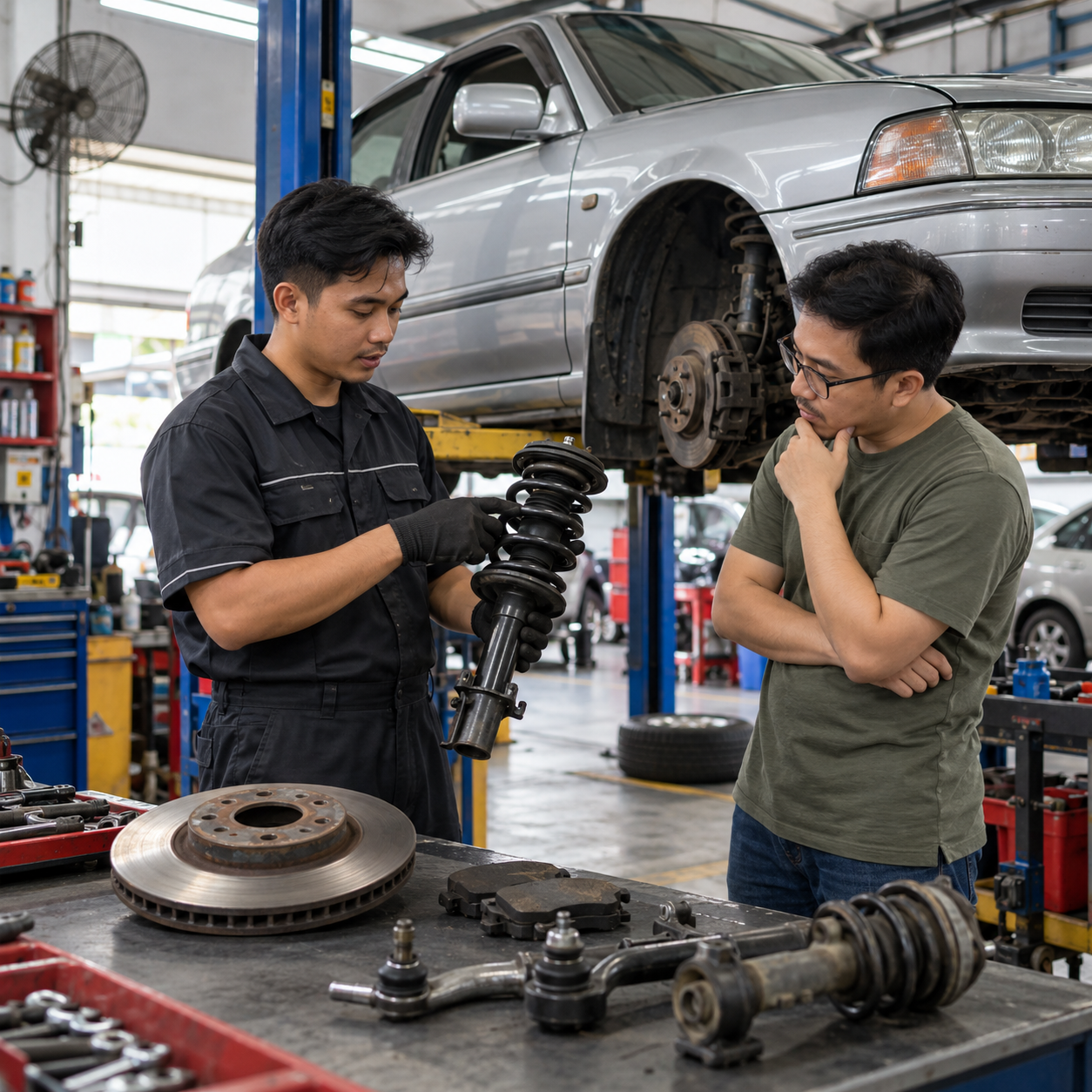
Scrap or Maintain? What a Proposed Old-Car Rebate Means for Malaysia's Older Vehicles
09 Oct 2026
 Whatsapp Us NowSaiko Automotive

