


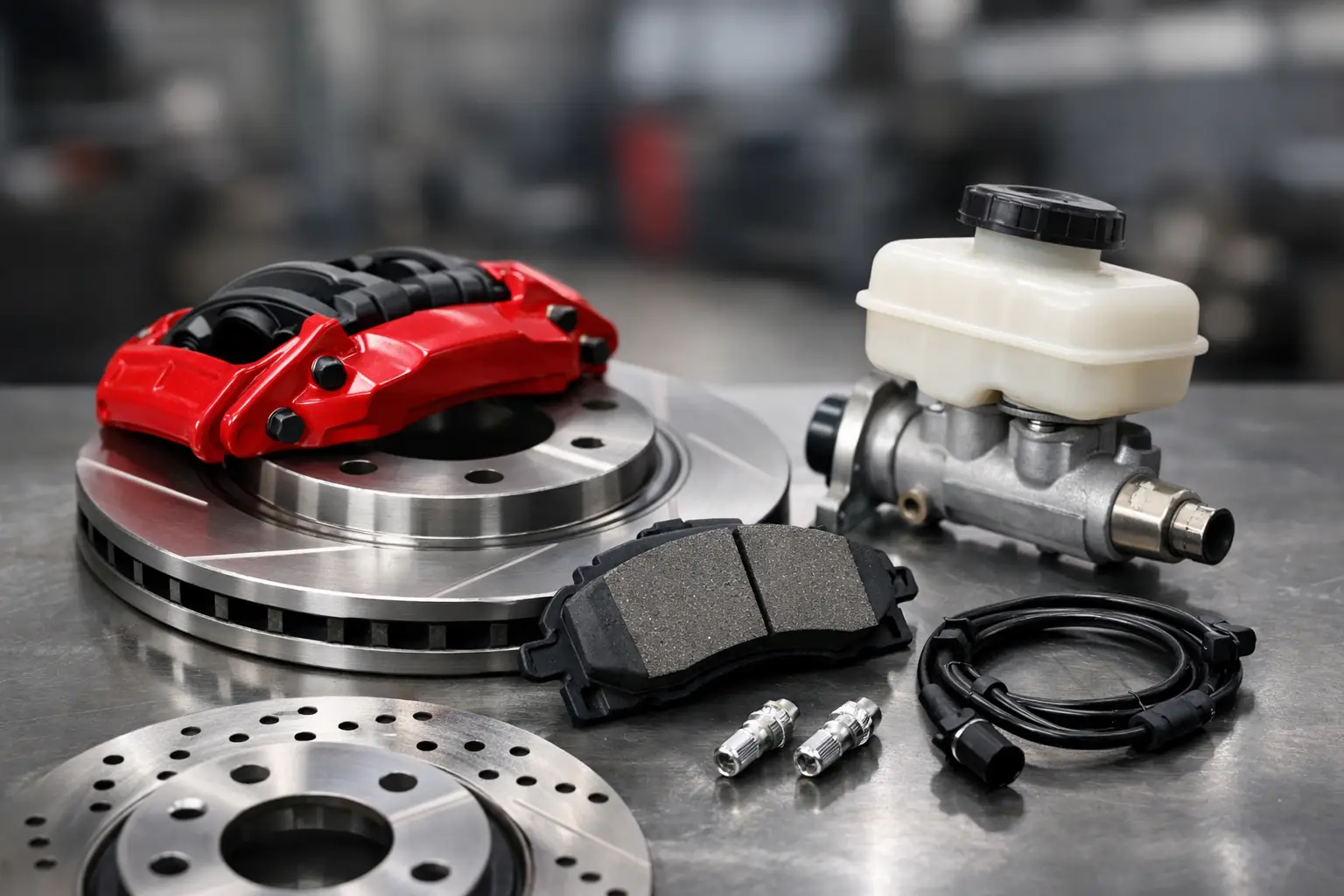
Brake System Parts That Matter Most
A car that pulls longer to stop, vibrates under braking, or makes a sharp squeal at every traffic light is not asking for attention - it is warning you. When drivers, workshops, and spare parts retailers assess brake system parts, the real question is not just what fits. It is what will keep stopping performance consistent in daily heat, traffic, rain, and repeated use.
For most passenger vehicles, the braking system is only as good as its weakest component. A quality brake pad cannot compensate for a worn disc. A new disc will not perform properly if the caliper is sticking. That is why buying brake parts should be approached as a system decision, not a single-part purchase.
Brake system parts work together to convert pedal force into controlled stopping power. In a typical disc brake setup, the brake pedal applies hydraulic pressure through the master cylinder and brake fluid. That pressure pushes the caliper pistons, which clamp the brake pads against the brake disc. Friction slows the wheel and brings the vehicle to a stop.
Drum brake systems, still used on some rear axles, follow the same basic principle but use brake shoes and a brake drum instead. Whether the vehicle uses discs on all four wheels or a disc-and-drum combination, the goal is the same - stable braking, predictable pedal feel, and safe stopping under different road conditions.
The most commonly replaced brake system parts include brake pads, brake discs or rotors, calipers, master cylinders, brake shoes, wheel cylinders, brake hoses, and brake fluid. Some parts wear gradually. Others fail because of heat, contamination, corrosion, or neglected maintenance.
Brake pads are usually the first wear item people notice. They are designed to create friction, so replacement is expected over time. City driving, heavy loads, and stop-and-go traffic will shorten their lifespan. A good brake pad should offer stable friction, manageable noise, and predictable wear. Cheaper pads may save money upfront, but they often create excessive dust, uneven wear, or poor braking feel when hot.
Brake discs matter just as much. A disc must remain dimensionally stable under heat. If it wears too thin, develops hard spots, or warps from thermal stress, the driver may feel vibration, pulsing, or reduced braking confidence. Workshops know this problem well - installing new pads on a poor-quality or worn disc often leads to complaints that could have been avoided.
Calipers are less frequently replaced, but they are critical. A seized slide pin or sticking piston can cause uneven pad wear, dragging brakes, overheating, and pull during braking. In practical terms, a brake job that ignores caliper condition is incomplete.
Hydraulic parts such as the master cylinder, brake hoses, and wheel cylinders also deserve attention. If the pedal feels spongy, sinks slowly, or lacks consistent pressure, the issue may not be the pads at all. Hydraulic problems can mimic other faults, which is why proper inspection matters before parts are ordered.
Not every replacement issue comes from installation error. Sometimes the part itself is the problem. Poor fitment can create noise, rapid wear, or an inconsistent pedal feel even when the installer follows correct procedures.
Pads with incorrect dimensions may sit badly in the caliper bracket. Discs with poor machining may produce runout or vibration shortly after installation. Low-grade friction material may feel acceptable during light braking but fade quickly under repeated use. This is where workshops and retailers tend to separate reliable aftermarket brands from risky low-cost options.
Precise fitment matters because braking systems do not tolerate guesswork well. A small difference in thickness, slot design, backing plate shape, or metallurgy can affect both performance and installation time. For workshops, that means fewer comebacks. For retailers, it means better customer confidence. For drivers, it means the car behaves as expected when braking suddenly.
The safest buying decision is usually based on a few practical checks rather than marketing claims. First is material consistency. A brake pad should be made from stable friction material that performs predictably across temperature changes. Second is machining accuracy. A brake disc needs proper balance, surface finish, and dimensional control. Third is vehicle coverage and fitment confidence. Reliable aftermarket suppliers invest in application accuracy because one wrong part number wastes time for everyone.
Testing standards also matter. A part may look acceptable in the box but still fail to deliver under real road use if quality control is inconsistent. That is why many workshops prefer brands with established product testing, repeatable quality, and broad coverage for common Japanese, Korean, Malaysian, and other passenger vehicle applications.
In Malaysia, where daily driving often means traffic congestion, heavy braking cycles, and hot operating conditions, dependable quality is not a luxury item. It directly affects service life and driver confidence. A value-driven aftermarket part should not only be affordable. It should install correctly, perform consistently, and hold up under local conditions.
It depends on wear condition, not just mileage. Brake pads are consumables, so they will almost always be replaced more often than discs. But replacing pads alone is not always the right move.
If the disc surface is deeply grooved, below minimum thickness, heat-spotted, or causing pulsation, it should be replaced together with the pads. If the disc is still within specification and the surface condition is sound, pad replacement alone may be sufficient. Workshops should measure, not assume.
For car owners, the practical takeaway is simple. If you are already paying for labor, it often makes sense to evaluate the full braking set at the same time. Doing pads now and discs shortly after can increase overall cost and downtime.
Brake jobs are frequent. That makes product availability almost as important as product quality. Retailers need fast-moving part numbers, stable quality, and confidence that repeat orders will match prior fitment and performance. Workshops need parts that arrive on time, install without modification, and reduce the risk of customer complaints.
This is one reason established aftermarket brands continue to matter in the local market. A supplier with broad vehicle coverage, OE-standard testing, and dependable dealer support can simplify purchasing and reduce uncertainty. Since 2007, SAIKO has built that kind of practical value in the Malaysian aftermarket by supplying braking and suspension components across a wide range of passenger vehicle models through an extensive dealer and distributor network.
That matters because braking components are not impulse purchases. Customers want a part that balances price, reliability, and fitment. If one of those three is missing, the part stops being good value.
One common mistake is replacing only the visibly worn part and ignoring the surrounding hardware. Pads may be changed while damaged clips, seized pins, or worn discs remain in service. Another is choosing by price alone, especially for vehicles used for daily commuting or commercial mileage. Cheap parts can increase noise, shorten service intervals, and create more labor later.
A third mistake is overlooking the hydraulic side. Old brake fluid absorbs moisture over time, which lowers boiling resistance and can affect pedal feel. Rubber hoses can also age and swell internally. These issues are easy to miss if the inspection focuses only on friction parts.
Finally, some buyers assume all aftermarket brake parts are basically the same. They are not. Differences in friction formulation, machining tolerance, corrosion protection, and fitment accuracy have a real effect on service outcome.
The best choice is rarely the cheapest box on the shelf, and it is not always the highest-priced option either. Long-term value comes from consistent stopping performance, proper fitment, reasonable service life, and reduced installation issues.
For workshops, that means choosing parts with predictable quality and strong application support. For retailers, it means stocking brands customers can return to with confidence. For car owners, it means asking better questions: Is this pad suited to my driving pattern? Is the disc within spec? Is the supplier known for consistent fitment? Will this setup perform well in daily traffic and heat?
Braking is one area where compromise shows up quickly. The right part feels quiet, stable, and dependable almost immediately. The wrong one usually announces itself early through noise, vibration, dust, or weak pedal response.
When brake system parts are selected as a complete system rather than a quick replacement, the result is usually better safety, better workshop efficiency, and better value over time. If a vehicle is giving you warning signs, treat them early - the best brake repair is the one done before stopping performance becomes a risk.
Recent Posts
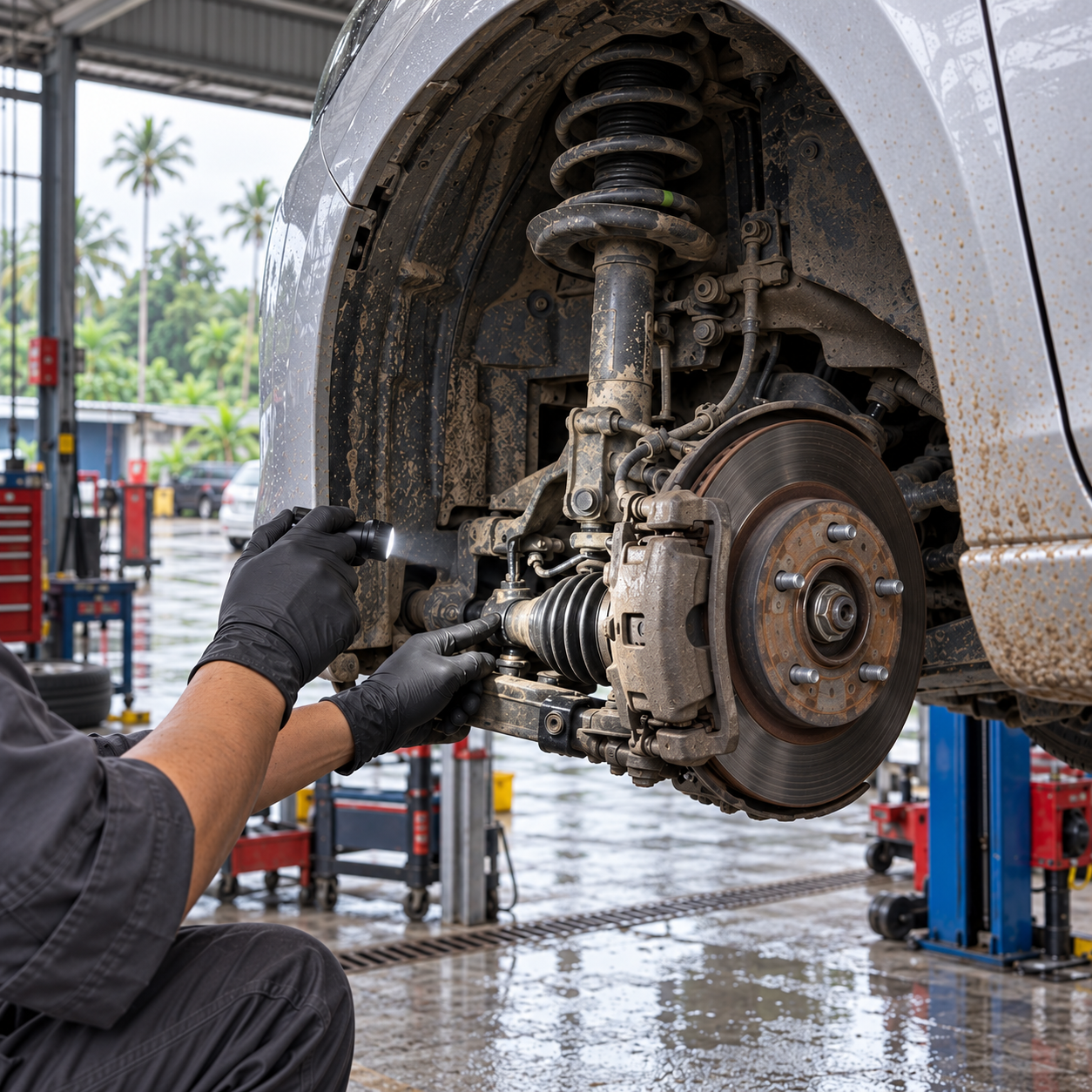
Drove Through Flood Water? The Parts Under Your Car That Need a Look Next
19 Oct 2026
A Record Year on the Road Means a Record Year Ahead for Maintenance
12 Oct 2026
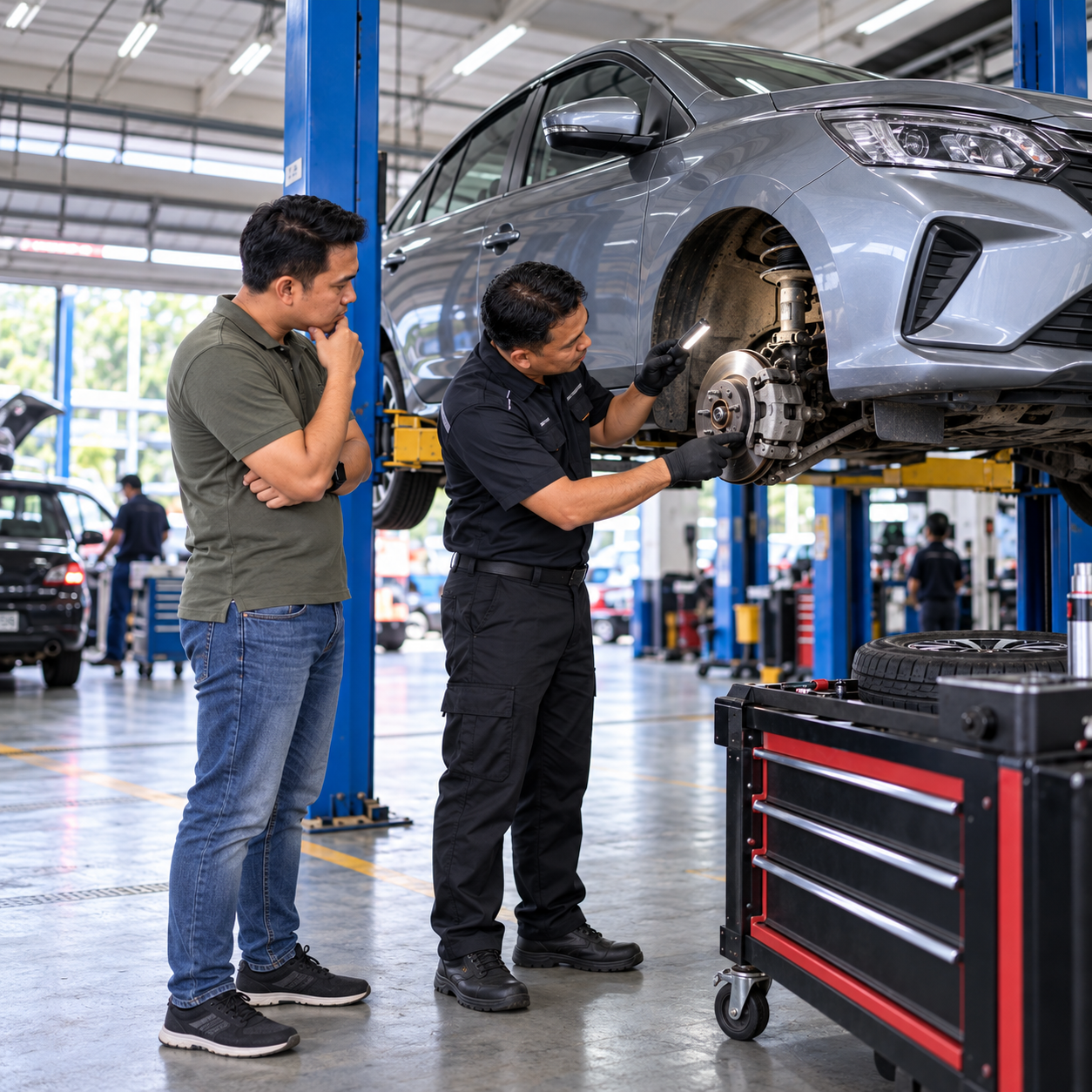
Budget 2027 Puts E-Hailing Car Maintenance on the National Agenda
12 Oct 2026
A Rear Axle Recall Is a Reminder: The Back of the Car Matters Too
12 Oct 2026
Scrap or Maintain? What a Proposed Old-Car Rebate Means for Malaysia's Older Vehicles
09 Oct 2026
 Whatsapp Us NowSaiko Automotive

