


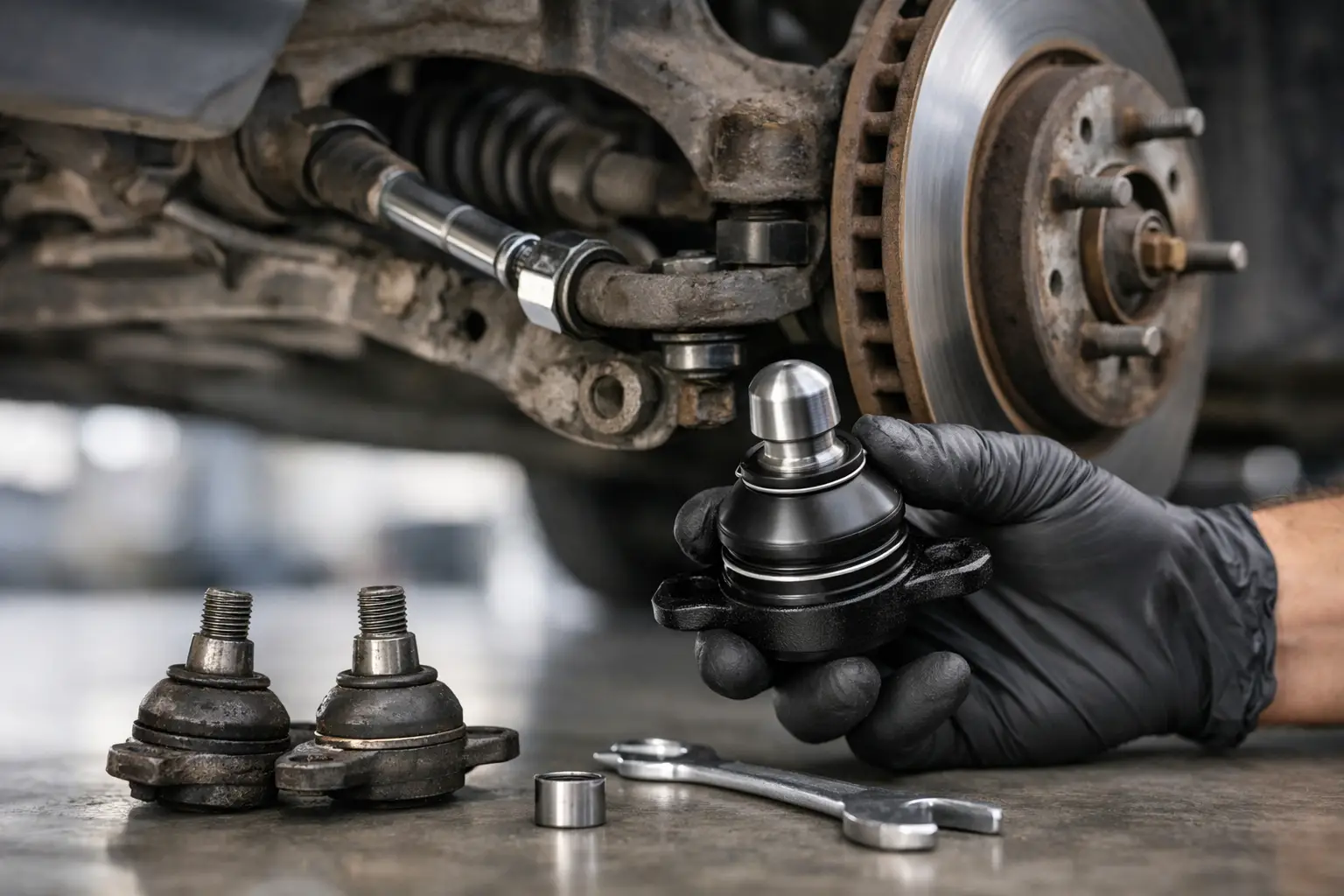
Ball Joint Replacement Cost Explained
A loose front end often starts as a small complaint - a clunk over bumps, wandering steering, uneven tire wear. Then the estimate arrives, and the first question is simple: what should a fair ball joint replacement cost actually look like? The answer depends on your vehicle design, whether one or both sides need work, and the quality of the replacement parts going in.
Ball joints are small parts with a big job. They connect the control arm to the steering knuckle and allow the suspension and steering to move together. When they wear out, handling suffers, tire wear can accelerate, and in severe cases safety becomes a real concern. That is why price matters, but so does choosing the right part and replacing it correctly the first time.
The biggest factor is the vehicle itself. On some cars, the ball joint can be replaced on its own. On others, it is built into the control arm, so the shop replaces the full arm assembly rather than pressing out the joint. That difference can change the bill significantly.
Labor is the next major variable. A straightforward replacement on an accessible front suspension will usually cost less than work on a vehicle with rusted hardware, tight access, or a design that requires more disassembly. In many cases, shops will also recommend a wheel alignment after suspension work, which adds to the final invoice but is often necessary to protect tire wear and steering stability.
Parts quality also matters more than many drivers expect. Low-cost ball joints can reduce the upfront bill, but poor fitment, weaker materials, or inconsistent tolerances may lead to noise, premature wear, or repeat labor. For workshops and parts buyers, this is where value matters more than the cheapest line on the quote.
For many passenger vehicles, ball joint replacement cost for one side commonly falls between about $200 and $500 including parts and labor. For both sides, the total can range from roughly $400 to $900 or more. If the design requires replacing the full control arm assembly, the cost may rise further depending on the model.
Those numbers are broad for a reason. A compact sedan with simple suspension geometry may sit at the lower end. A larger SUV, pickup, or imported model with pricier components may land much higher. If your shop includes an alignment, premium hardware, or related suspension parts, the estimate may increase again.
That does not automatically mean the shop is overcharging. It may mean the repair is being done properly with better parts and the right follow-up work.
If the joint is serviceable separately, this is often the most affordable route. The part cost may be modest, but labor can still vary depending on whether the old joint must be pressed out and the new one pressed in. This type of repair works best when the control arm itself remains in good condition.
Many modern vehicles use a control arm assembly with the ball joint built in. In this case, replacing the whole arm can be faster and cleaner, but the part costs more. The upside is that you also renew the arm and usually its bushings at the same time, which can improve ride quality and steering feel.
Replacing left and right ball joints together usually costs more upfront but can make sense when wear is similar on both sides. It can also save time on labor compared with doing one side now and the other a few months later. For workshops, it is often the more practical recommendation when inspection shows matched wear.
A worn ball joint does not always fail dramatically. More often, the symptoms build gradually. Drivers may notice knocking or clunking over rough roads, vague steering, vibration, or a vehicle that no longer tracks straight. Uneven tire wear is another common clue, especially when suspension geometry starts to shift.
During inspection, a technician may find excess play in the joint, a torn dust boot, leaking grease, or corrosion. Once the protective boot is damaged, contamination can enter and wear tends to accelerate. At that point, delaying the repair may lead to more than just a noisy suspension.
When comparing estimates, many customers look only at the total. That is understandable, but it can hide important differences. One quote may use an entry-level part with minimal durability. Another may include a quality-controlled replacement with more consistent fitment and materials, along with alignment and proper installation checks.
For workshops and spare parts retailers, come-backs are expensive. A ball joint that installs poorly or wears out early creates extra labor, customer complaints, and lost confidence. Reliable aftermarket parts with OE-standard testing and dependable fitment usually deliver better long-term value, even when the initial price is slightly higher.
This is one reason established aftermarket brands matter. In Malaysia, for example, SAIKO has built a strong reputation since 2007 by supplying value-driven suspension and steering components with broad vehicle coverage, dependable availability, and practical fitment support for workshops and dealers.
A clear estimate should tell you whether the shop is replacing only the ball joint or the full control arm. It should also state whether the price is for one side or both sides. If alignment is recommended, that should appear separately or be clearly included.
It is also worth asking what brand and grade of part the shop plans to install. Not every aftermarket part is built to the same standard. For suspension components, accurate fitment, proper sealing, strong housings, and consistent manufacturing quality all make a real difference.
If the shop finds related wear in bushings, tie rod ends, or stabilizer links, the total may rise. That can be frustrating, but it is often better to address connected suspension issues together than to pay for repeated labor and multiple alignments.
A fair ball joint replacement cost is not just about being cheap. It reflects the right repair for the vehicle, a part that will last, and labor done correctly. If one quote is far below the others, ask why. The difference may come down to part quality, missing alignment, or a shortcut in the repair approach.
For car owners, the best move is to compare a few written estimates and make sure each one covers the same job. For workshops and retailers, the focus should be on suppliers that offer stable quality, precise fitment, and reliable stock across popular vehicle models. That supports faster turnaround and fewer installation issues.
Sometimes there is a little time, and sometimes there is not. A mildly worn joint may only create noise at first, but once play becomes excessive, handling and braking stability can suffer. In severe cases, a failed ball joint can allow major suspension separation. That is not a repair to postpone casually.
If a technician says the joint is worn but not yet critical, ask how much play is present and whether tire wear or alignment is already affected. That gives you a better sense of urgency. Waiting a short time may be manageable. Waiting too long can turn a moderate repair into a larger suspension bill.
The best way to control cost is to avoid doing the job twice. Choose parts that match the vehicle correctly, use a workshop that understands suspension fitment, and do the alignment if required. If one side has failed and the other is close behind, replacing both may save money over time.
For shops, parts counters, and distributors, dependable aftermarket supply is part of the equation. A competitively priced ball joint is only good value if it fits properly, performs consistently, and holds up under real driving conditions.
When you are looking at ball joint replacement cost, think beyond the estimate and ask a better question: will this repair restore safe, predictable handling without sending the car back into the shop again next month?
Recent Posts
Drove Through Flood Water? The Parts Under Your Car That Need a Look Next
19 Oct 2026
A Record Year on the Road Means a Record Year Ahead for Maintenance
12 Oct 2026
Budget 2027 Puts E-Hailing Car Maintenance on the National Agenda
12 Oct 2026
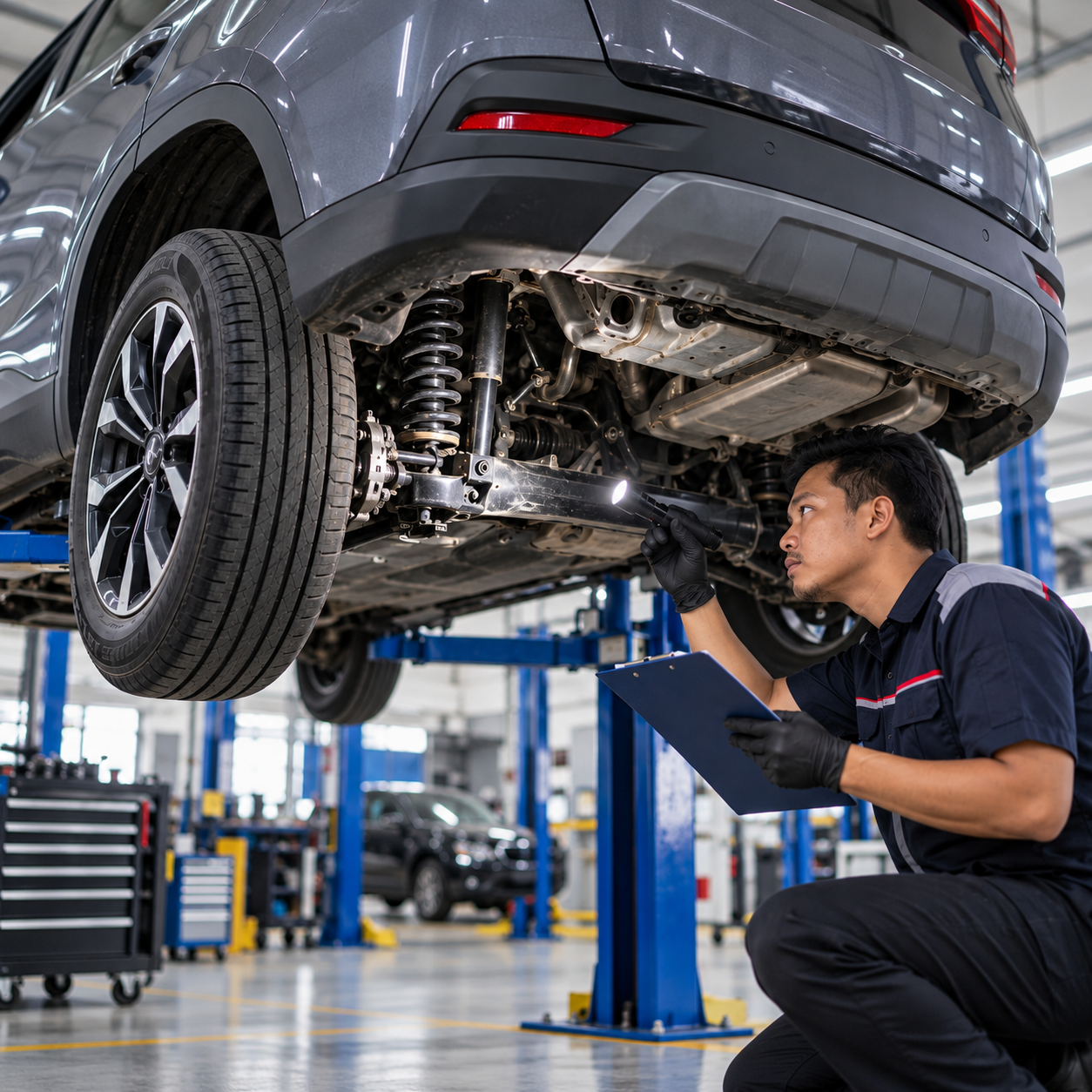
A Rear Axle Recall Is a Reminder: The Back of the Car Matters Too
12 Oct 2026
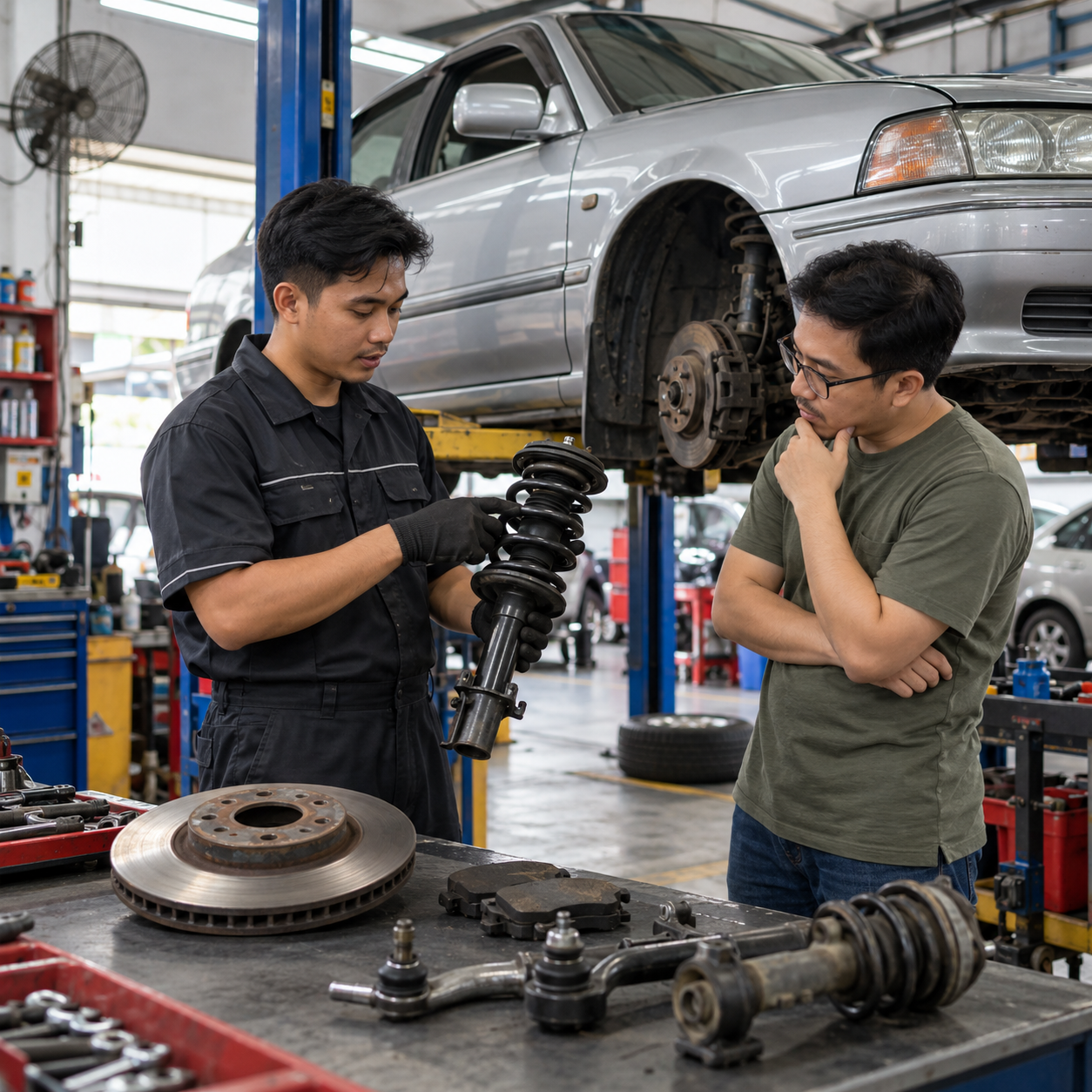
Scrap or Maintain? What a Proposed Old-Car Rebate Means for Malaysia's Older Vehicles
09 Oct 2026
 Whatsapp Us NowSaiko Automotive

