


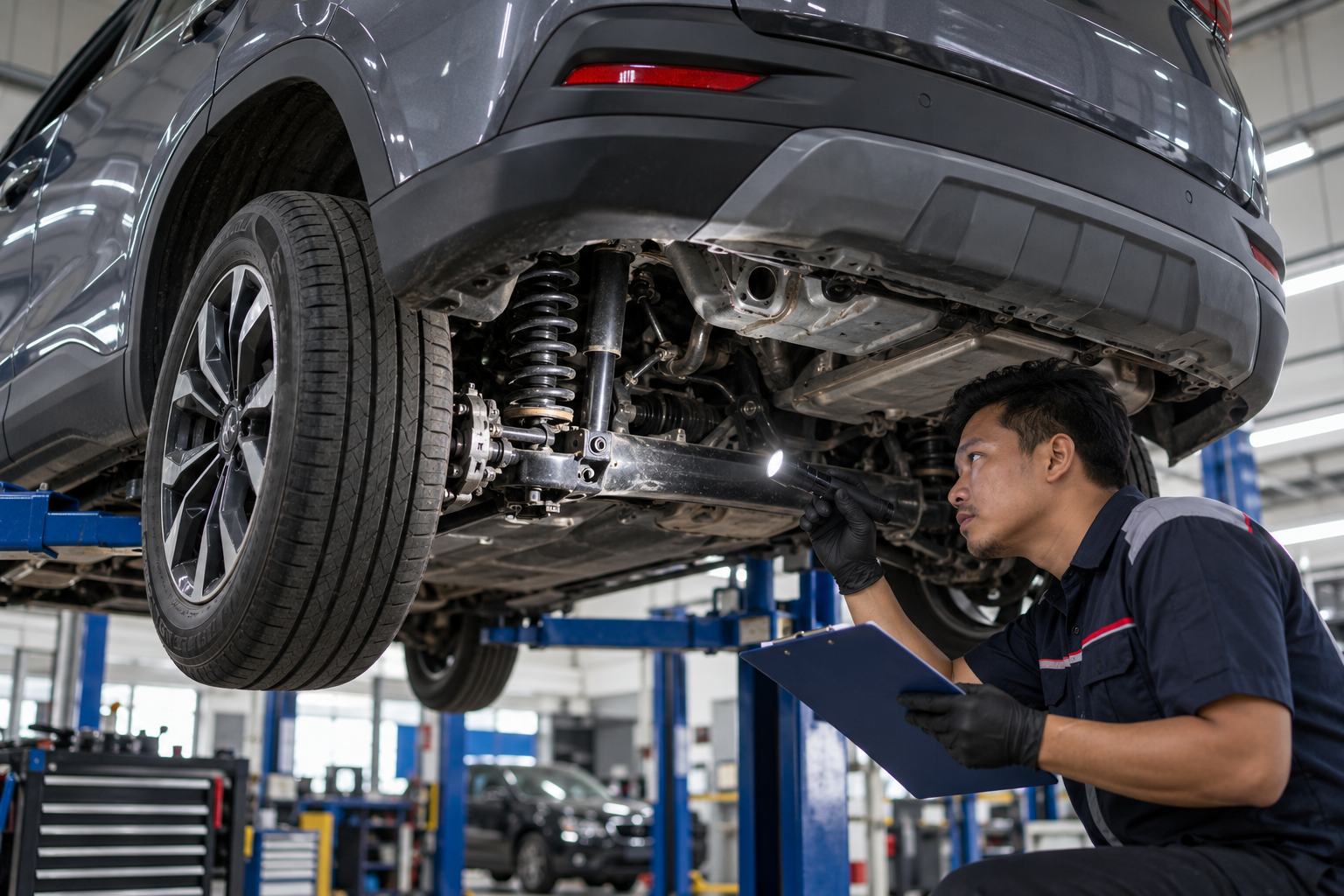
A Rear Axle Recall Is a Reminder: The Back of the Car Matters Too
Most drivers think about steering and front suspension because that is where they feel the car. The Omoda 5 rear axle recall announced this month is a timely reminder that the rear suspension carries just as much responsibility for keeping a vehicle stable, safe and predictable on the road.
On 11 October 2026, SoyaCincau reported that Chery Malaysia is recalling the pre-facelift Omoda 5 over a rear axle issue. This follows an incident reported by CarNewsChina in which the rear suspension of an Omoda 5 separated from the car on 6 October on Jalan Pandan, near AEON Mall Tebrau City in Johor Bahru. No injuries were reported.
According to SoyaCincau, the Road Transport Department (JPJ) temporarily suspended the model's Vehicle Type Approval and instructed Chery to identify and recall all units that may be at risk. Chery announced the recall on social media hours later, saying affected vehicles will receive comprehensive inspections and that any follow-up work, including component replacement, will be free of charge.
It is important to separate confirmed facts from speculation. At the time of writing, the cause of the October 2026 incident has not been publicly explained, and the number of affected units has not been stated in the reports we reviewed.
What has been reported:
If you own a pre-facelift Omoda 5, the process reported by SoyaCincau is simple:
Recall work is carried out at no cost to the owner. A recall is not a reason to panic, but it is a reason to act promptly. The few minutes it takes to check a VIN are well spent.
The same habit applies to every car. Many owners never learn their vehicle was recalled, especially after it changes hands, so checking your VIN after buying a used car is a simple safety step.
The rear suspension keeps the rear wheels aligned with the front, carries a large share of the load when passengers and luggage are on board, and helps the car stay settled under braking, when the weight shifts and the rear must stay planted.
There are two common designs on Malaysian roads:
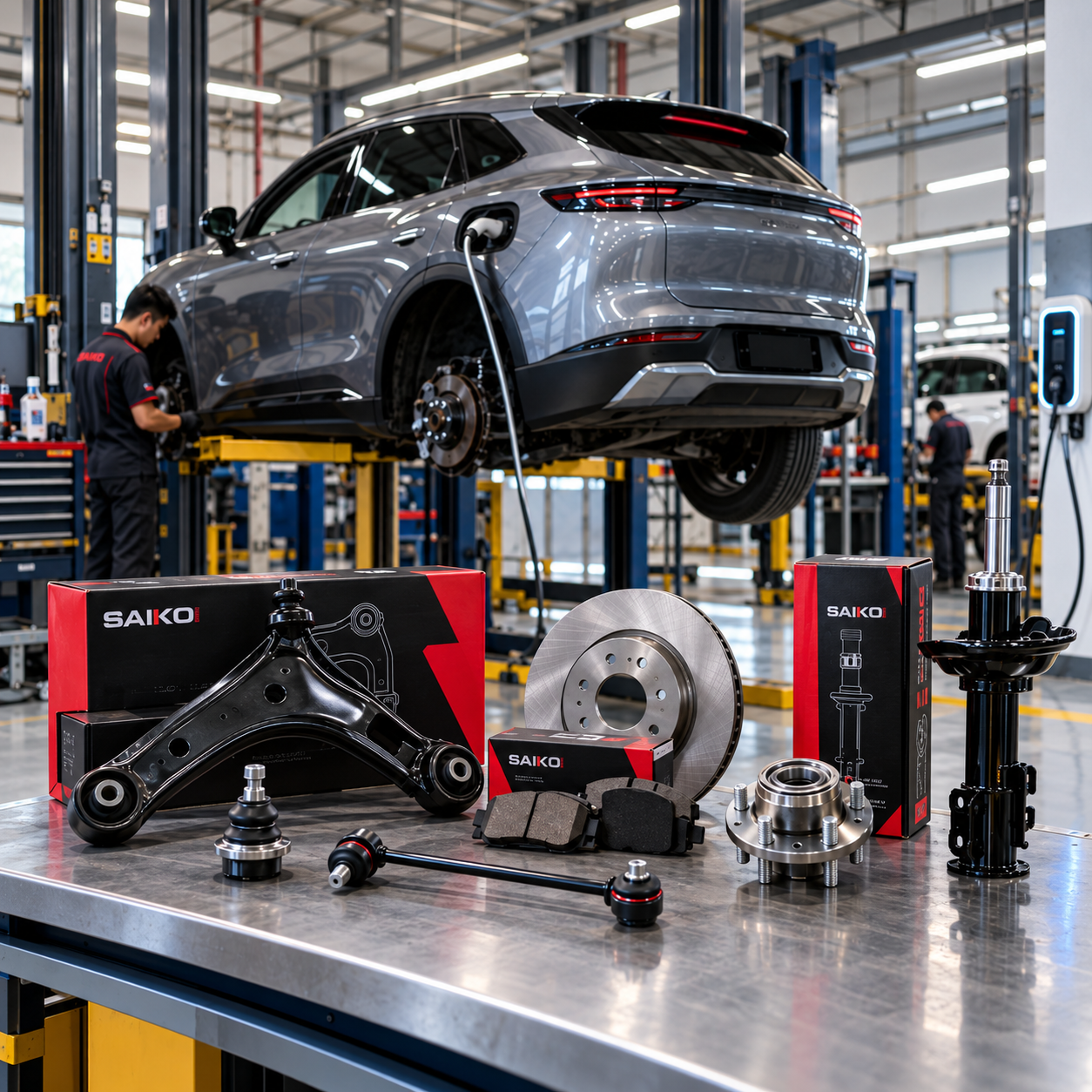
Whatever the design, the rear relies on the same family of parts found throughout the chassis: springs, shock absorbers, bushings, mounts and, on multi-link designs, control arms and ball joints. As we often say, every component is part of one ecosystem, and compromising one part compromises overall safety.
A recall concerns a specific manufacturing issue, and it is handled by the carmaker. But everyday wear on rear suspension parts is something every owner should keep an eye on. Have your car checked if you notice:
As a general guide, SAIKO's workshop recommendation is to inspect and consider replacing a suspension kit every 50,000 km or two years, and coil springs at around 100,000 km, adjusting for how and where the car is driven. Malaysia's rain, potholes and speed humps put real strain on rubber and metal alike.
Most drivers never look underneath their car, and they shouldn't have to worry about what is there. That confidence depends on two things: manufacturers and regulators acting quickly when something goes wrong, and owners keeping up with maintenance using parts that fit correctly and are built to last.
SAIKO has supplied quality-controlled automotive replacement parts since 2007, with coverage for more than 400 vehicle models and a nationwide dealer network. Our steering and suspension range is designed as a complete system, so every part works with the next.
If something feels wrong at the back of your car, don't wait. Have it inspected, and explore SAIKO's suspension range or find a dealer at saiko.com.my
Recent Posts
Scrap or Maintain? What a Proposed Old-Car Rebate Means for Malaysia's Older Vehicles
09 Oct 2026
Price Transparency Is Coming to the Parts Counter. Here's What Else You Should Check
07 Oct 2026

Parts Availability Is the New Aftersales Battleground. Here's Why It Matters to Every Driver
05 Oct 2026
Road Tax Is Only the Start: Budgeting for the True Cost of Owning a Car
02 Oct 2026
Budget 2027 and the Push for Local Components: What It Means for Every Car on the Road
30 Sep 2026
 Whatsapp Us NowSaiko Automotive

