


Price Transparency Is Coming to the Parts Counter. Here's What Else You Should Check
For many motorists, buying car parts in Malaysia has long involved a bit of guesswork. You arrive at a shop, describe the problem, and wait to hear what is in stock and what it will cost. That experience is starting to change, and it is a welcome shift for everyone who owns a car.
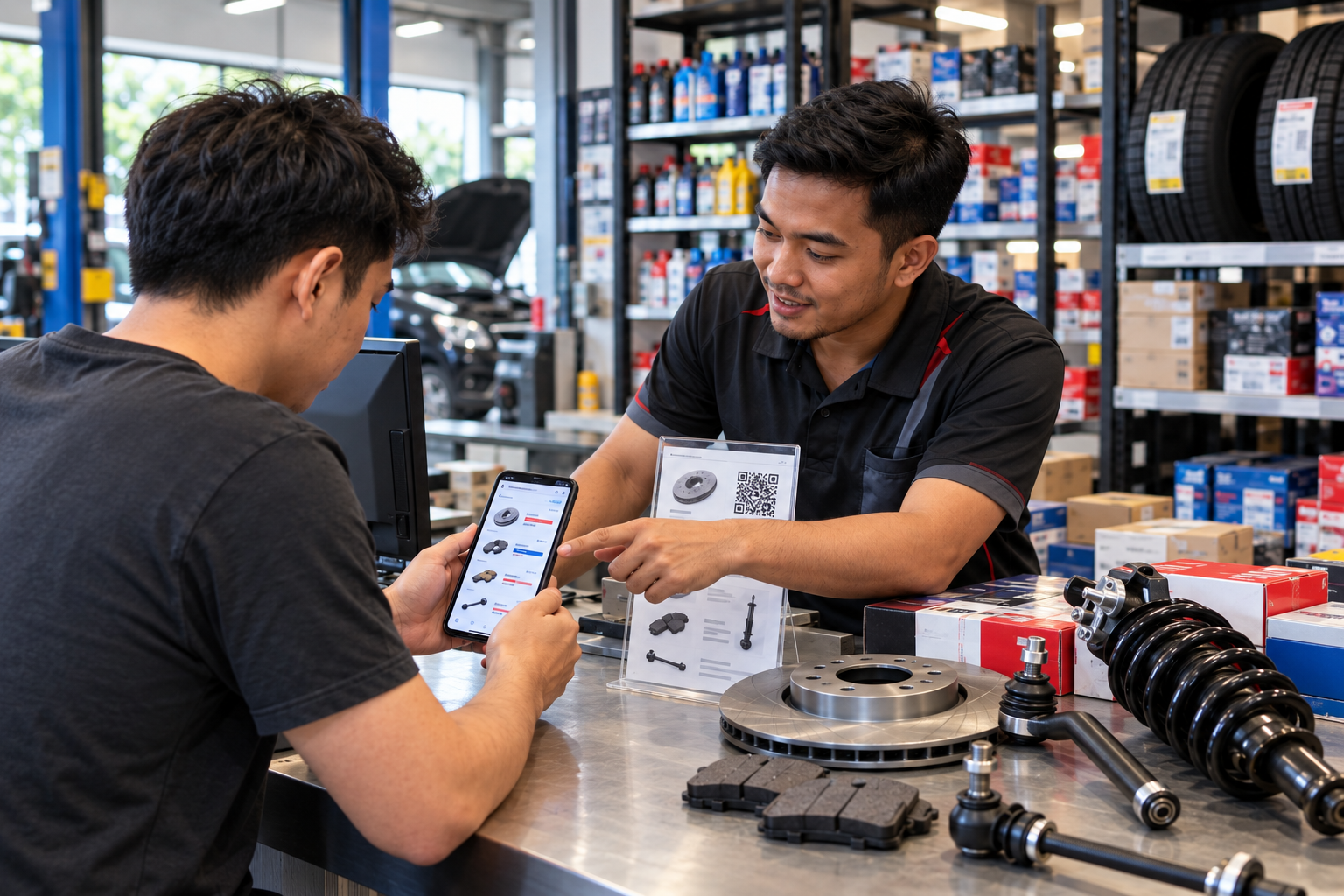
On 2 October 2026, paultan.org reported that Continental Tyre Malaysia has launched an in-store marketplace. Customers at participating dealers scan a QR code, or visit a dedicated website, to see available tyres together with pricing and stock information, much like scanning a QR menu at a restaurant. According to the report, the system is meant to address common customer frustrations: unclear prices and uncertainty over stock. Customers can also ask a dealer to send the QR code remotely and get advice before visiting.
It is a tyre story, but the direction it points to matters across the whole aftermarket. Drivers increasingly expect to see options, prices and availability up front. The question is what they should do with that information.
Clear pricing builds trust. When customers can see the options before they commit, conversations with the workshop become more productive and less stressful. Owners can budget properly, compare choices calmly and avoid the feeling of being rushed into a decision at the counter.
Transparency also raises the bar for the industry. Dealers and workshops that explain their recommendations, show what is in stock and quote clearly tend to earn repeat customers. That benefits independent workshops, franchise outlets and parts suppliers alike.
There is one risk, though. When prices sit side by side on a screen, the cheapest number can look like the obvious choice. For tyres, brakes, steering and suspension, that shortcut can be costly.
Two parts that look similar in a listing can perform very differently on the road. Before approving a replacement, it is worth asking a few practical questions:
None of these questions is complicated, and a good workshop will be glad to answer them.
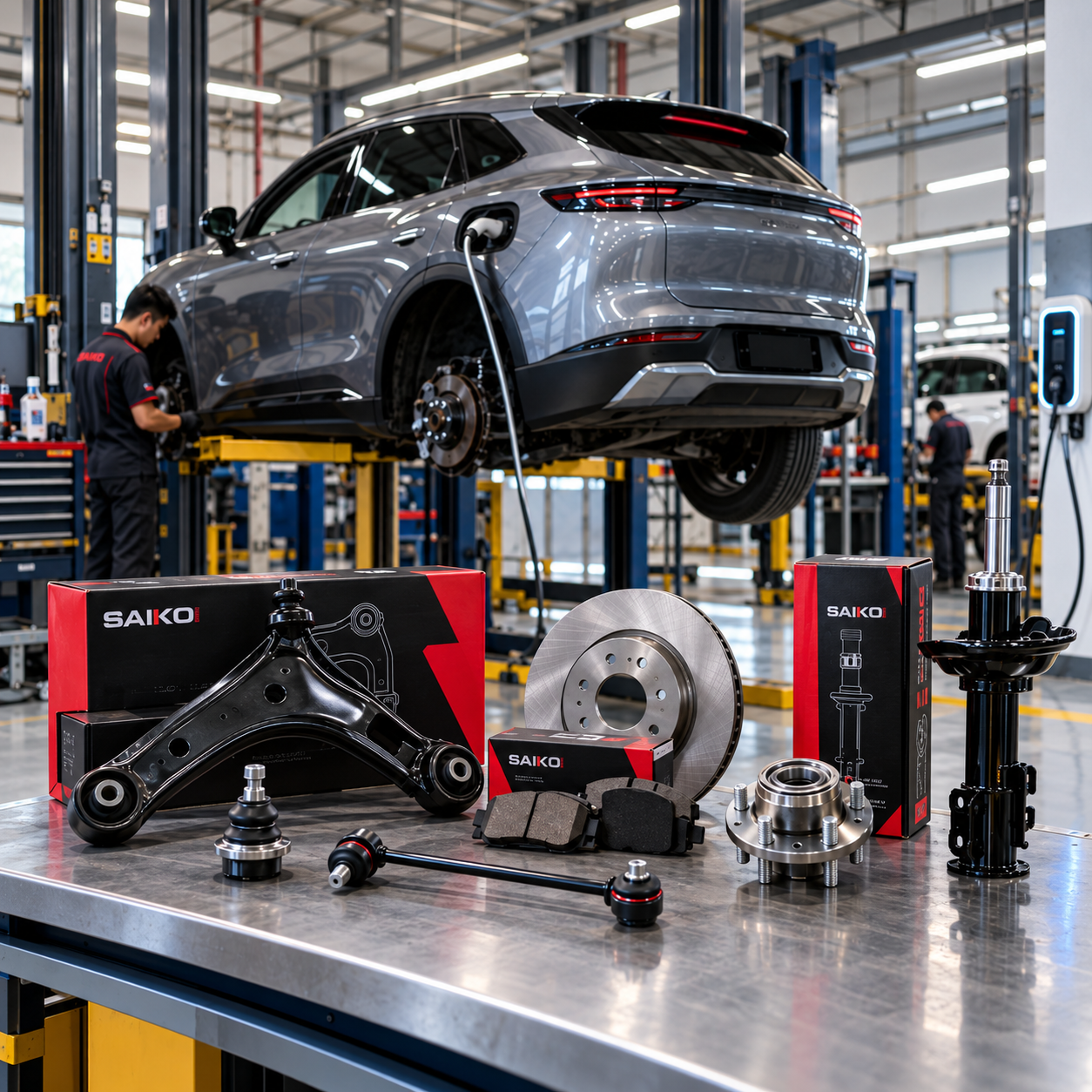
Steering and suspension parts are a good example of why upfront price is only part of the story. A ball joint, tie rod end or stabilizer link works under constant load every time the car turns, brakes or crosses a speed hump. When a low-quality part wears out early, the owner pays twice: once for the part, and again for the labour to replace it. Worn steering joints can also affect alignment and tyre wear, quietly adding to the bill.
This is why SAIKO puts durability at the centre of its steering and suspension range. In SAIKO's own 7.0 kN stress survival test of ball-joint-style parts, an unnamed aftermarket competitor's part failed at 50,000 cycles and an OEM part at 100,000 cycles, while the SAIKO part completed 247,274 cycles with no damage. SAIKO describes this as up to 2× longer than OEM and up to 4× longer than competitors. SAIKO ball joints use POM (polyoxymethylene) bearing technology in place of conventional metal-to-metal contact, which is designed for lower friction, quieter operation and sealed, maintenance-free durability.
The point for drivers is simple: when comparing quotes, the better value is often the part that does not need replacing again soon.
For workshop owners and service advisers, transparent pricing is an opportunity rather than a threat. Customers who can see prices are also more open to explanation. A short conversation about why one option costs more, and what it delivers, often changes the decision.
Useful habits include:
These steps build the kind of trust that keeps customers coming back for years.
More transparency at the counter is good news for Malaysian motorists. It makes pricing clearer, reduces uncertainty and encourages better conversations between drivers and workshops. The next step is making sure that transparency extends to quality, fitment and support, not just price.
SAIKO has supplied quality-controlled automotive replacement parts since 2007, with coverage for more than 400 vehicle models and a nationwide dealer network. Our aim is to give drivers and workshops parts they can choose with confidence, knowing what they are paying for.
Explore SAIKO's steering, suspension and brake ranges, or find a dealer near you, at saiko.com.my
Recent Posts
Scrap or Maintain? What a Proposed Old-Car Rebate Means for Malaysia's Older Vehicles
09 Oct 2026
Parts Availability Is the New Aftersales Battleground. Here's Why It Matters to Every Driver
05 Oct 2026
Road Tax Is Only the Start: Budgeting for the True Cost of Owning a Car
02 Oct 2026
Budget 2027 and the Push for Local Components: What It Means for Every Car on the Road
30 Sep 2026
An Eight-Year Warranty Is Great News. Here's What It Won't Replace
28 Sep 2026
 Whatsapp Us NowSaiko Automotive

