


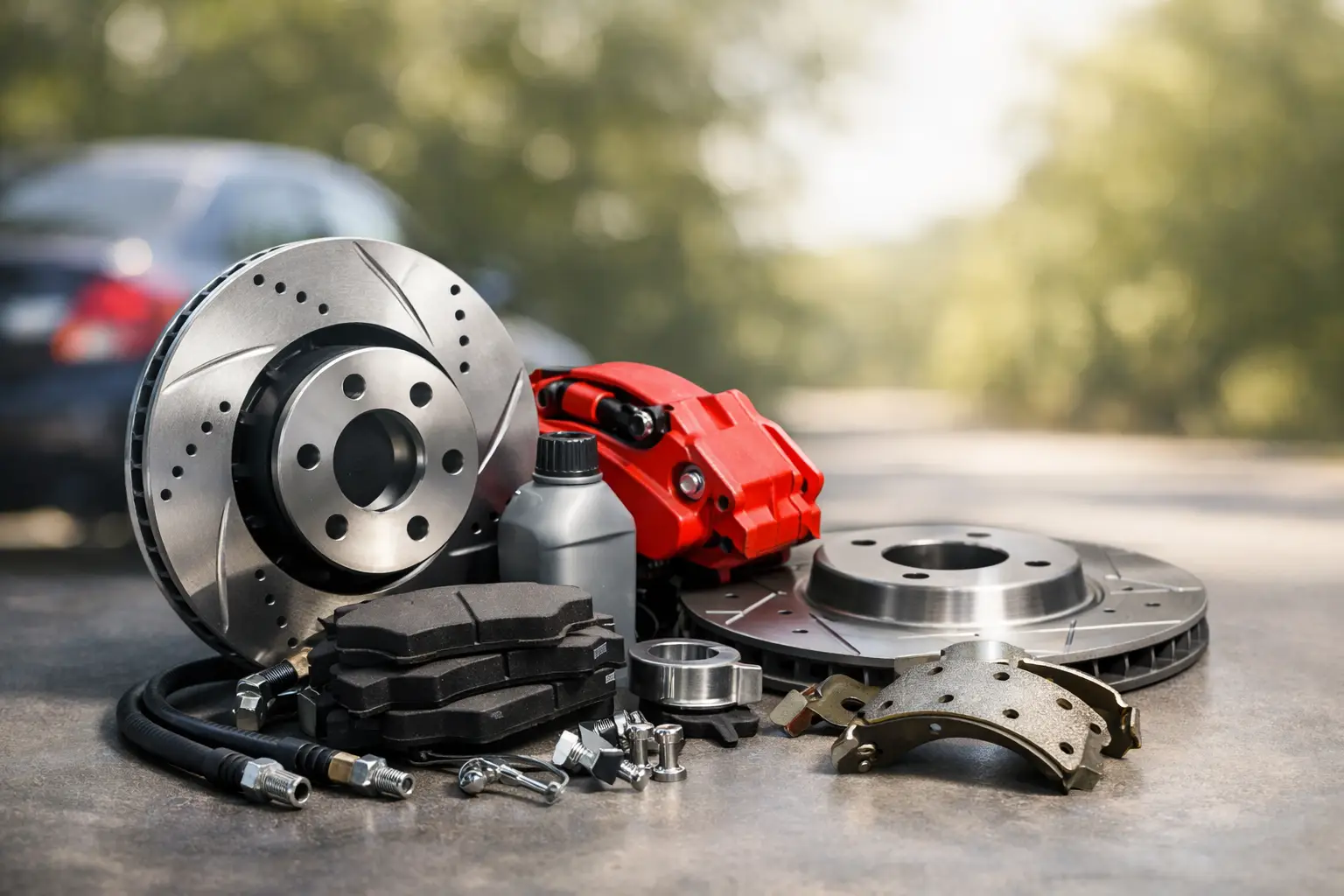
Best Brake Parts for Daily Driving
A car that feels fine at 40 mph can tell a very different story in stop-and-go traffic, during a wet morning commute, or when a full load of passengers is on board. That is why choosing the best brake parts for daily driving is not about chasing race-level performance. It is about consistent stopping power, low noise, dependable fitment, and value that holds up over time.
For daily drivers, the right brake setup should feel predictable every time you press the pedal. Workshops want parts that install cleanly and come back less often. Retailers want product lines that move steadily and maintain customer trust. Drivers want the same thing in simpler terms - safe, quiet braking without paying for features they do not need.
Daily use puts brake parts through a very specific kind of stress. It is usually not repeated high-speed braking like a track car sees. Instead, it is constant short trips, traffic lights, school runs, parking maneuvers, rain, heat, dust, and long service intervals. That kind of use rewards brake parts that are balanced, not extreme.
The best brake parts for daily driving should deliver stable friction when cold, because most street cars do not get their brakes hot enough to need aggressive compounds. They should also resist noise and vibration, because squeal and pedal pulsation quickly become customer complaints. Just as important, they should offer reliable fitment and material quality, since uneven wear or poor tolerances can create problems long before the brake pad is actually worn out.
If one component shapes day-to-day brake feel more than any other, it is the pad. For most passenger vehicles, a quality ceramic or low-metallic formulation makes the most sense, but the best choice depends on the vehicle and how it is used.
Ceramic pads are a strong option for many daily drivers because they are typically quieter and produce less visible dust. They also offer smooth engagement, which helps keep braking feel refined in city traffic. For drivers who prioritize comfort, cleanliness, and predictable street performance, ceramic pads are often the better match.
The trade-off is that some ceramic compounds may feel less aggressive than other materials during hard braking. That does not usually matter in normal commuting, but it can matter if the vehicle is frequently loaded, driven in hilly areas, or used for higher-speed highway travel.
Low-metallic pads usually provide a firmer initial bite and better heat handling. That can make them a smart fit for heavier sedans, MPVs, SUVs, or drivers who want a more immediate response from the pedal. They can also perform well under mixed urban and highway use.
The trade-off is noise and dust. Some low-metallic formulations are louder and can wear rotors faster than ceramic options. For a workshop or retailer, this is where matching the part to the actual driving pattern matters more than simply recommending the most aggressive pad available.
Brake pads get most of the attention, but rotors play an equal role in braking consistency. For daily driving, plain OE-style rotors are usually the most practical choice. They are built for stable heat management, broad vehicle compatibility, and straightforward replacement.
Many drivers assume drilled or slotted rotors are automatically better. In reality, those designs are often unnecessary for normal road use. On a daily driver, the priorities are rotor balance, material consistency, proper machining, and resistance to distortion under normal heat cycles. A well-made standard rotor usually delivers better long-term value than a performance-style rotor chosen for appearance.
A rotor with poor metallurgy or uneven machining can lead to vibration, uneven pad deposits, noise, and shorter pad life. That means the issue is not only how fast the car stops, but how stable the brake system remains after months of use. For workshops, quality rotors reduce the chance of repeat visits related to pulsation or early wear. For parts buyers, that means fewer complaints and stronger confidence in the product line.
A brake job is only as good as the parts around the pad and rotor. Sticking calipers, worn slide pins, damaged rubber boots, and weak hardware can all affect braking performance. If the vehicle pulls to one side, shows uneven pad wear, or has a dragging brake, replacing only the pad may not solve the real problem.
For daily driving, calipers should move freely, apply pressure evenly, and hold up against corrosion and heat. Quality replacement calipers and service hardware help restore proper brake balance and prevent premature wear. This is especially important for older vehicles, where the brake system may already have years of exposure to moisture and road grime.
When workshops inspect these supporting parts carefully, the result is better brake feel and fewer returns. When retailers stock dependable brake hardware alongside main brake components, they create a more complete and profitable service solution.
Even with good pads and rotors, old brake fluid can undermine the entire system. Brake fluid absorbs moisture over time, which lowers its boiling point and affects pedal feel. In daily driving, that often shows up as a soft pedal, reduced confidence in heavy traffic, or less consistent performance during repeated stops.
For most passenger vehicles, using the correct fluid grade and replacing it at proper intervals is one of the simplest ways to maintain braking quality. This is not the most visible part of a brake service, but it makes a measurable difference. Drivers often notice improved pedal response immediately after a fluid change, especially if the old fluid was overdue.
There is no single answer that fits every car. A compact city hatchback, a family SUV, and a small commercial-use passenger vehicle do not place the same demands on their brakes. The best brake parts for daily driving depend on weight, tire size, driving conditions, and service history.
A lighter car used mainly in town may benefit most from quiet ceramic pads and OE-style rotors. A heavier vehicle carrying passengers or cargo may need a pad compound with stronger bite and better heat tolerance. Cars used in wet climates or parked outdoors for long periods may need closer attention to rotor corrosion and caliper condition.
That is why wide vehicle coverage and consistent quality control matter in the aftermarket. A supplier that can support many vehicle models with dependable fitment gives workshops and retailers more confidence, especially when they are handling mixed fleets of Japanese, Korean, local, and other passenger vehicles.
The safest purchase is not always the cheapest part on the shelf, and it is not always the most expensive either. What matters is whether the part is built to deliver reliable street performance over time.
Start with material quality and tested consistency. A brake pad should offer stable friction and predictable wear. A rotor should have proper machining and balanced construction. Calipers and hardware should meet fitment standards that support efficient installation. Accurate fit reduces labor issues, cuts down on noise complaints, and helps the full brake system perform as intended.
It also makes sense to buy from brands with broad market support and dependable availability. For workshops and dealers, stock continuity matters. For end users, that means easier replacement cycles and better confidence in after-sales support. This is where established aftermarket suppliers such as Saiko add practical value by combining quality-controlled components, broad model coverage, and dependable supply for everyday braking needs.
The strongest choice for most street vehicles is a balanced package: quality pads matched with stable rotors, healthy calipers, fresh fluid, and proper hardware. That approach does more for real-world safety than mixing random premium-looking parts without checking compatibility or wear conditions.
Daily driving rewards consistency. The best brake system is the one that stays quiet in traffic, responds predictably in the rain, handles routine loads without drama, and gives drivers confidence every single day. When brake parts are selected with that goal in mind, the result is not just better stopping power. It is fewer problems, better value, and a vehicle that feels right every time it heads out on the road.
Recent Posts
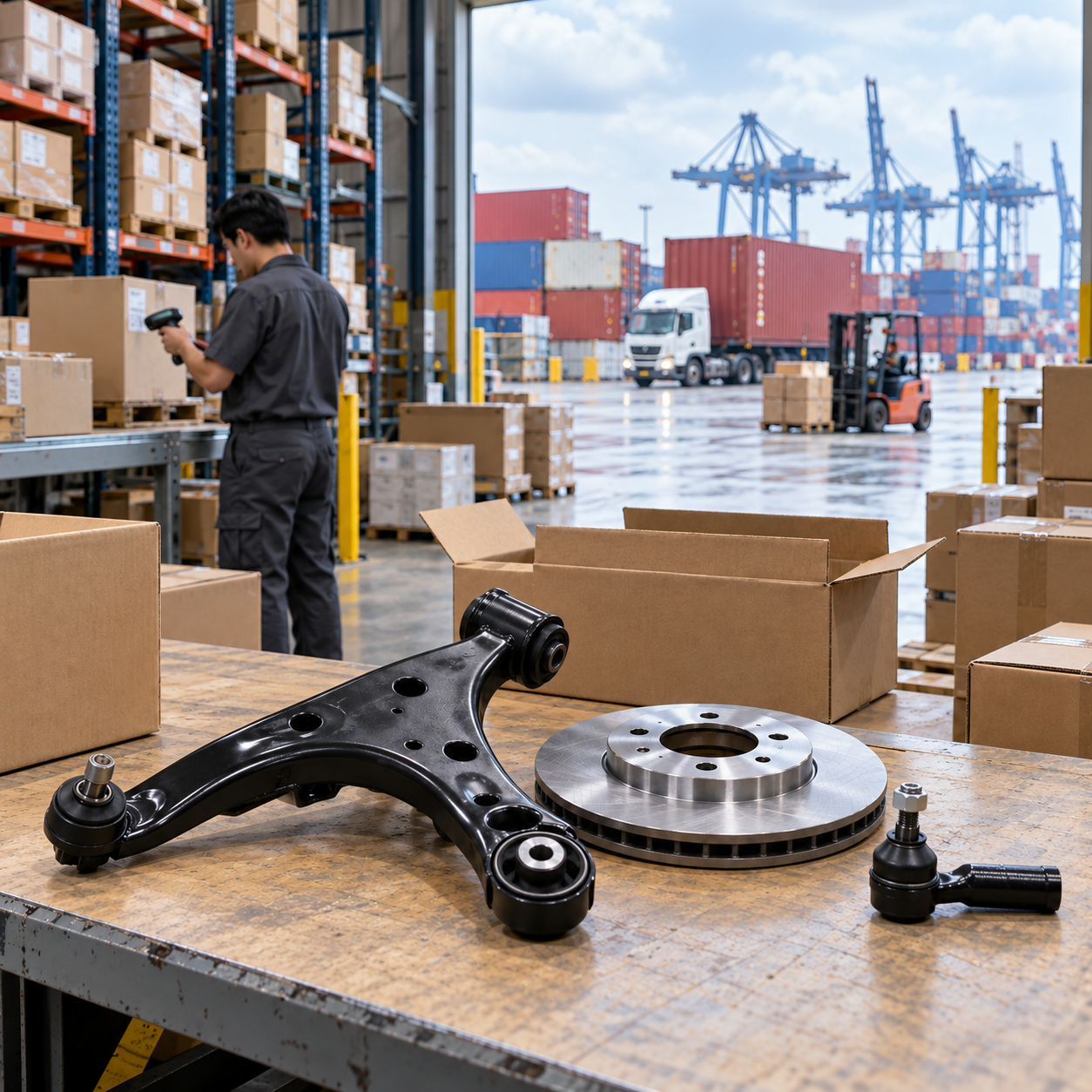
Automotive Trade Is on the Table in the Malaysia-EU FTA. Here's Why It Matters at the Parts Counter
23 Oct 2026
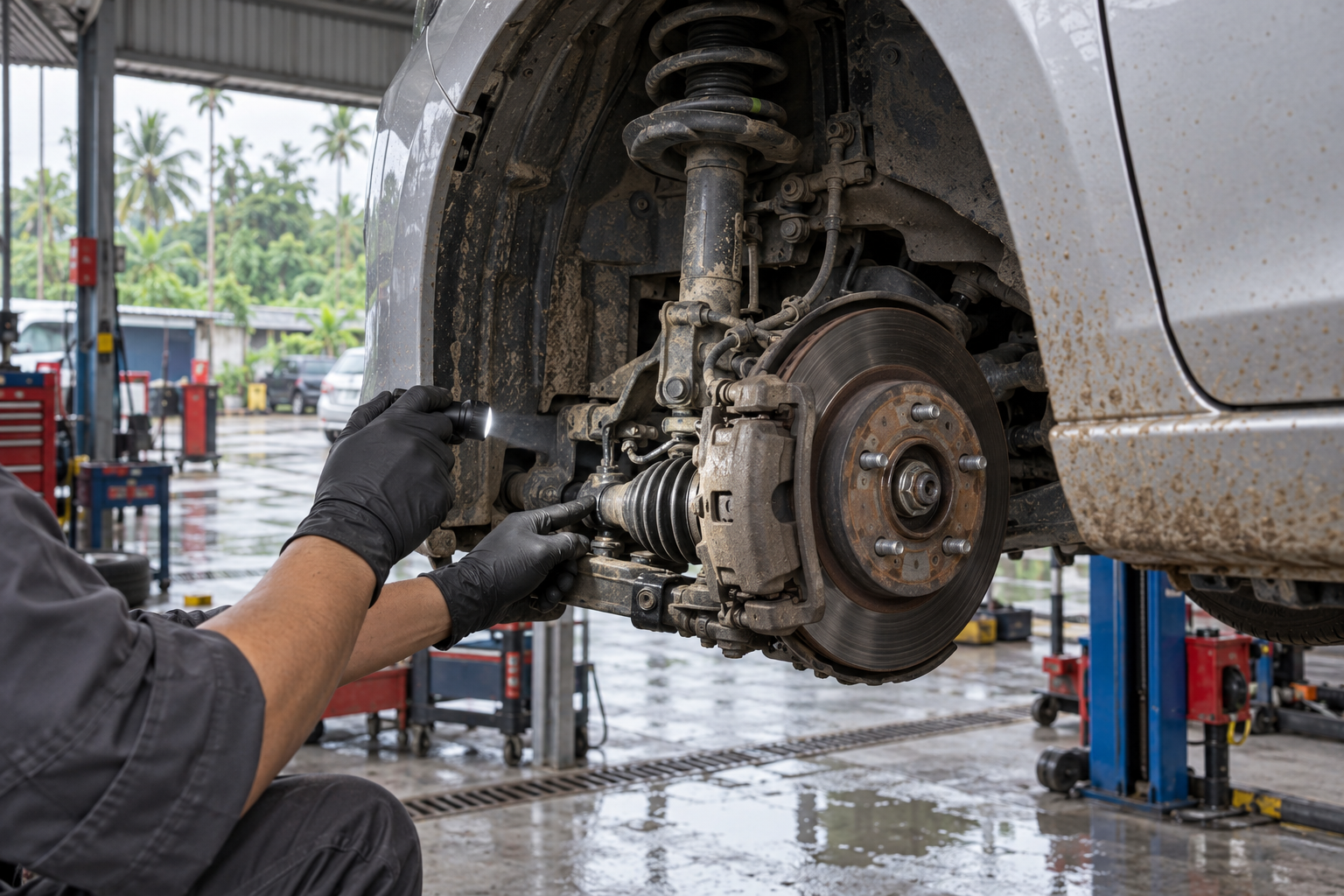
The Road Transport Act Just Got Tougher. Here's What It Means for Your Car's Parts
21 Oct 2026
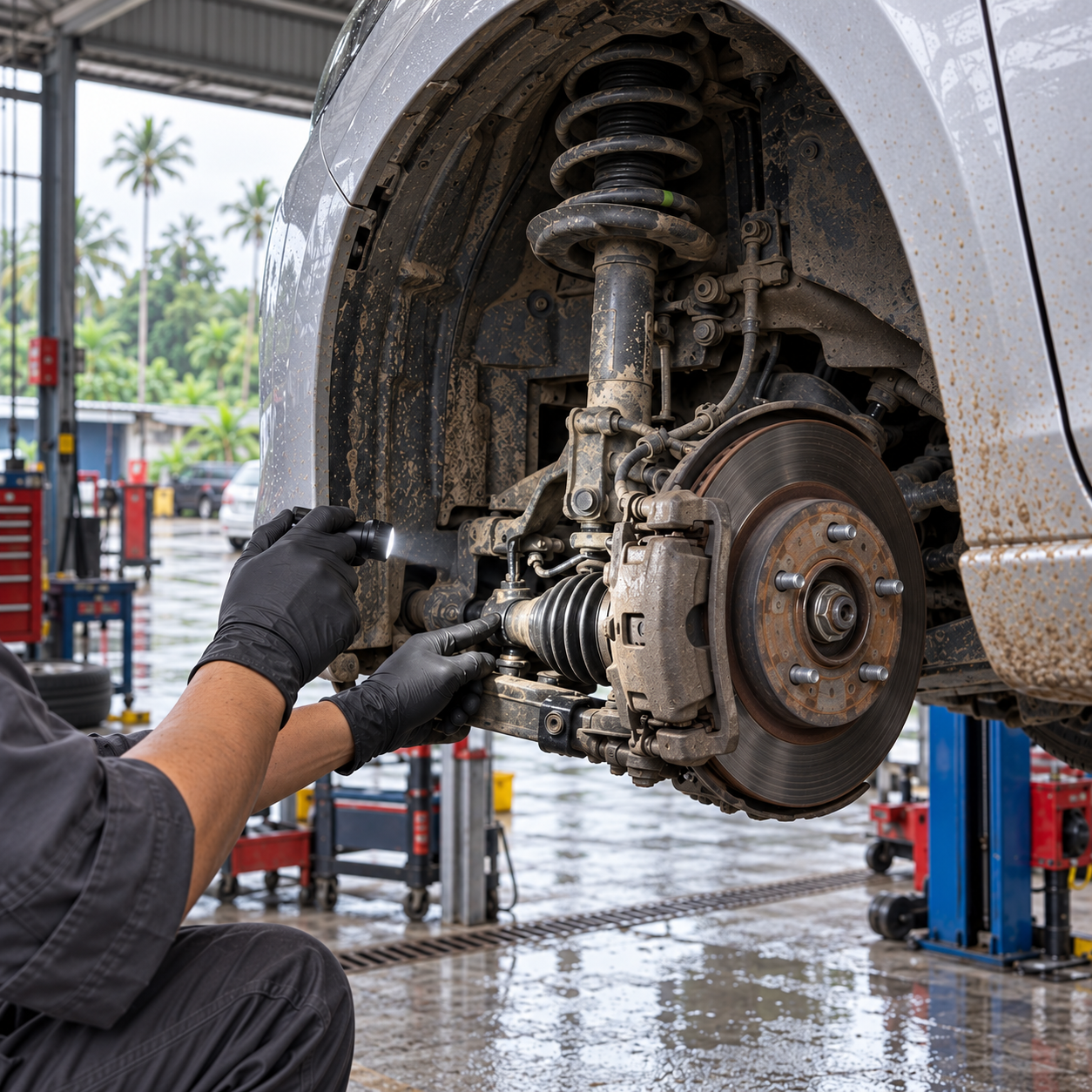
Drove Through Flood Water? The Parts Under Your Car That Need a Look Next
19 Oct 2026
A Record Year on the Road Means a Record Year Ahead for Maintenance
12 Oct 2026
Budget 2027 Puts E-Hailing Car Maintenance on the National Agenda
12 Oct 2026
 Whatsapp Us NowSaiko Automotive

