


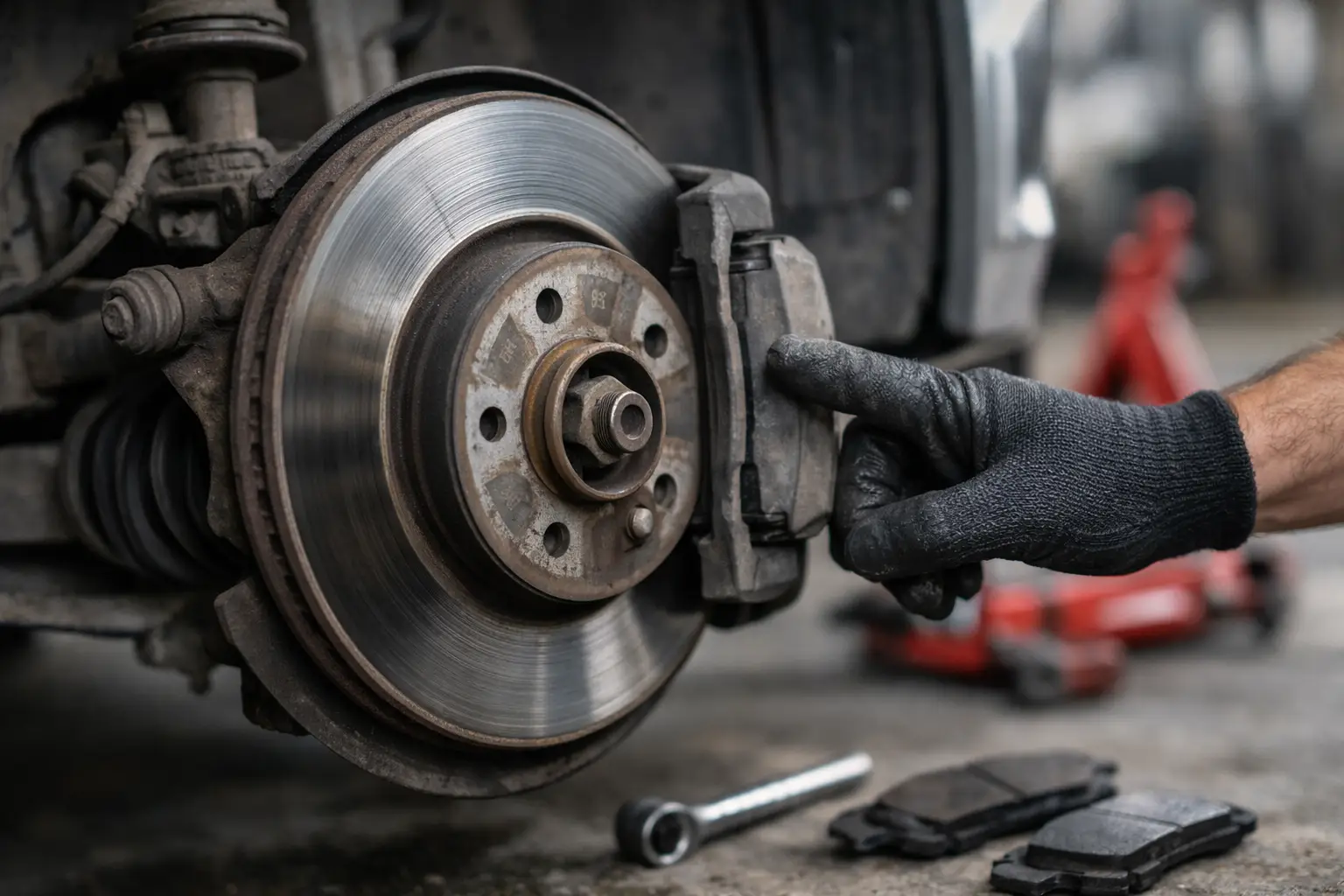
How to Spot Brake Pad Problems Before They Get Worse
A brake pedal that suddenly feels different is not a small detail to ignore. Your vehicle may still stop, but early brake pad wear can quickly turn into damaged brake discs, reduced control in wet conditions, and a more expensive repair. Knowing how to spot brake pad problems gives drivers and workshops time to inspect the braking system before a routine pad replacement becomes a full brake overhaul.
Brake pads are wear items, so replacement is expected. The concern is not simply that pads wear down, but that they may wear unevenly, become contaminated, overheat, or fail to work correctly with the brake discs and calipers. Malaysian stop-and-go traffic, steep parking ramps, frequent rain, and long highway drives can all affect brake wear patterns.
The first clues usually appear through sound, pedal feel, and the way the vehicle responds when braking. One symptom alone does not always confirm worn pads. For example, a brief squeal after heavy rain can come from moisture on the brake disc rather than a fault. But repeated symptoms, especially when combined, deserve an inspection.
A high-pitched squeal when pressing the brake pedal is one of the most common brake pad warning signs. Many pads include a wear indicator designed to make noise when the friction material is nearing its service limit. This is useful early notice, not a sound to wait out.
A harsh scraping or grinding sound is more urgent. It can mean the pad material has worn away and the backing plate is contacting the brake disc. Continuing to drive in this condition can score or warp the disc and reduce braking performance. Arrange an inspection as soon as possible, and avoid unnecessary driving if braking feel is poor.
Not every noise is caused by the pads themselves. Loose hardware, debris caught near the disc, glazed pad surfaces, or a worn wheel hub bearing can also create sounds around the wheel area. A proper inspection should identify the source rather than replacing parts based on noise alone.
Pedal feel often tells a different story from brake noise. A soft or spongy pedal may point to air or moisture in the brake fluid, a fluid leak, or another hydraulic issue. Worn pads can make the pedal travel farther, but they are not the only possible cause.
A very hard pedal with weak stopping power may indicate a brake booster or vacuum issue. If the pedal suddenly sinks toward the floor, the brake warning light comes on, or braking force changes dramatically, do not treat it as normal pad wear. Have the vehicle checked immediately.
A pulsing brake pedal or steering-wheel shake during braking can indicate uneven brake disc thickness, disc runout, or uneven pad deposits on the disc surface. It is often described as a warped rotor, although the actual cause can vary.
Brake pads and discs work as a matched friction system. Installing new pads on severely scored or uneven discs may cause noise, vibration, and reduced pad life. A workshop should measure the disc condition and compare it with the manufacturer’s minimum thickness specification before deciding whether replacement is necessary.
If a vehicle pulls left or right while braking, one wheel may be applying more force than the other. Unevenly worn pads, a sticking caliper, contaminated friction material, or a brake hose issue can contribute to this problem. Tire condition, alignment, and suspension wear can also affect vehicle stability, so diagnosis matters.
Do not assume a pull is safe simply because it only happens under hard braking. In an emergency stop, uneven braking can make the vehicle less stable and increase stopping distance.
A visual inspection gives the clearest answer. On many vehicles, a mechanic can inspect the outer pad through the wheel spokes, but the inner pad may wear faster and cannot always be seen without removing the wheel. Both pads on each axle should be checked.
The friction material should have enough thickness remaining and should wear evenly. There is no single replacement measurement for every vehicle, but pads approaching about 3 mm should be inspected closely and scheduled for replacement. Any pad worn close to its metal backing plate requires prompt attention.
Look for these conditions during a professional brake inspection:
Uneven pad wear is especially valuable information. It may indicate seized caliper slide pins, a sticking caliper piston, incorrectly fitted pad hardware, or restricted movement in the brake assembly. Replacing only the worn pad without correcting the root cause usually leads to the same failure again.
Some vehicles have a brake pad wear sensor that triggers a dashboard warning when the pad reaches a specified thickness. Others only display a general brake warning light, which may relate to low brake fluid, the parking brake, electronic brake systems, or another fault.
Low brake fluid can occur as pads wear because the caliper pistons extend farther, but it can also signal a leak. Never top up fluid and assume the issue is resolved. Check the pad condition and brake system first. If the ABS light appears alongside a braking concern, the vehicle may need a diagnostic scan as well as a mechanical inspection.
| Symptom | Possible cause | Recommended action | | --- | --- | --- | | Light squeal when braking | Wear indicator, dust, or moisture | Inspect pad thickness and hardware | | Grinding or metal-on-metal noise | Pads worn through to backing plate | Stop unnecessary driving and inspect immediately | | Vibration under braking | Uneven disc surface or pad deposits | Measure discs and inspect pads and calipers | | Vehicle pulls under braking | Sticking caliper, uneven pad wear, or suspension issue | Perform a full brake and chassis inspection | | Burning smell after braking | Overheating pads or a seized caliper | Allow brakes to cool and arrange urgent service |
Mileage is only a rough guide. Some drivers need pads before 25,000 miles because of city traffic, short trips, heavy loads, or frequent downhill driving. Others may get considerably more life from a set. Vehicle weight, transmission type, driving habits, brake pad material, and maintenance of the calipers all affect wear.
Replace pads in axle sets, meaning both front pads or both rear pads at the same time. This helps maintain balanced braking. It is also good practice to inspect the discs, caliper slides, boots, brake fluid, hoses, and wheel bearings while the wheels are removed. Brake work is an opportunity to find related issues before they create a comeback for the workshop or a safety concern for the driver.
Choosing the cheapest pads can be a false saving if they produce excessive dust, noise, uneven wear, or poor cold and wet braking performance. The correct pad must match the vehicle’s brake system, not just fit physically inside the caliper. Quality friction material, accurate backing-plate dimensions, properly designed shims, and consistent manufacturing all contribute to quiet, predictable braking.
For workshops, retailers, and drivers who need dependable replacement coverage, SAIKO supplies quality-controlled braking components for a wide range of passenger vehicles, with fitment support through its nationwide dealer network. Confirm the exact model, year, engine, and brake specification before ordering, since the same vehicle name can use different brake setups across trims and production years.
Brake pads cannot last forever, but good habits reduce avoidable wear. Leave enough following distance so you can brake progressively instead of repeatedly braking hard. Avoid resting your left foot on the brake pedal, which can create heat and premature wear. After driving through deep water, apply the brakes gently when safe to help dry the discs.
Service caliper slide pins and pad contact points with the correct brake-specific lubricant. Incorrect grease can damage rubber components or attract debris. During tire rotations or routine servicing, ask for pad thickness measurements on both the inner and outer pads, not a quick glance at one visible pad.
A brake system should feel predictable every time you drive. If a new noise, vibration, pull, warning light, or pedal change appears, address it while the repair is still straightforward. Early inspection protects not only the pads and discs, but also the confidence that your vehicle will stop as expected when the road gives you no extra time.
Recent Posts
A Record Year on the Road Means a Record Year Ahead for Maintenance
12 Oct 2026
A Rear Axle Recall Is a Reminder: The Back of the Car Matters Too
12 Oct 2026
Scrap or Maintain? What a Proposed Old-Car Rebate Means for Malaysia's Older Vehicles
09 Oct 2026
Price Transparency Is Coming to the Parts Counter. Here's What Else You Should Check
07 Oct 2026
Parts Availability Is the New Aftersales Battleground. Here's Why It Matters to Every Driver
05 Oct 2026
 Whatsapp Us NowSaiko Automotive

