


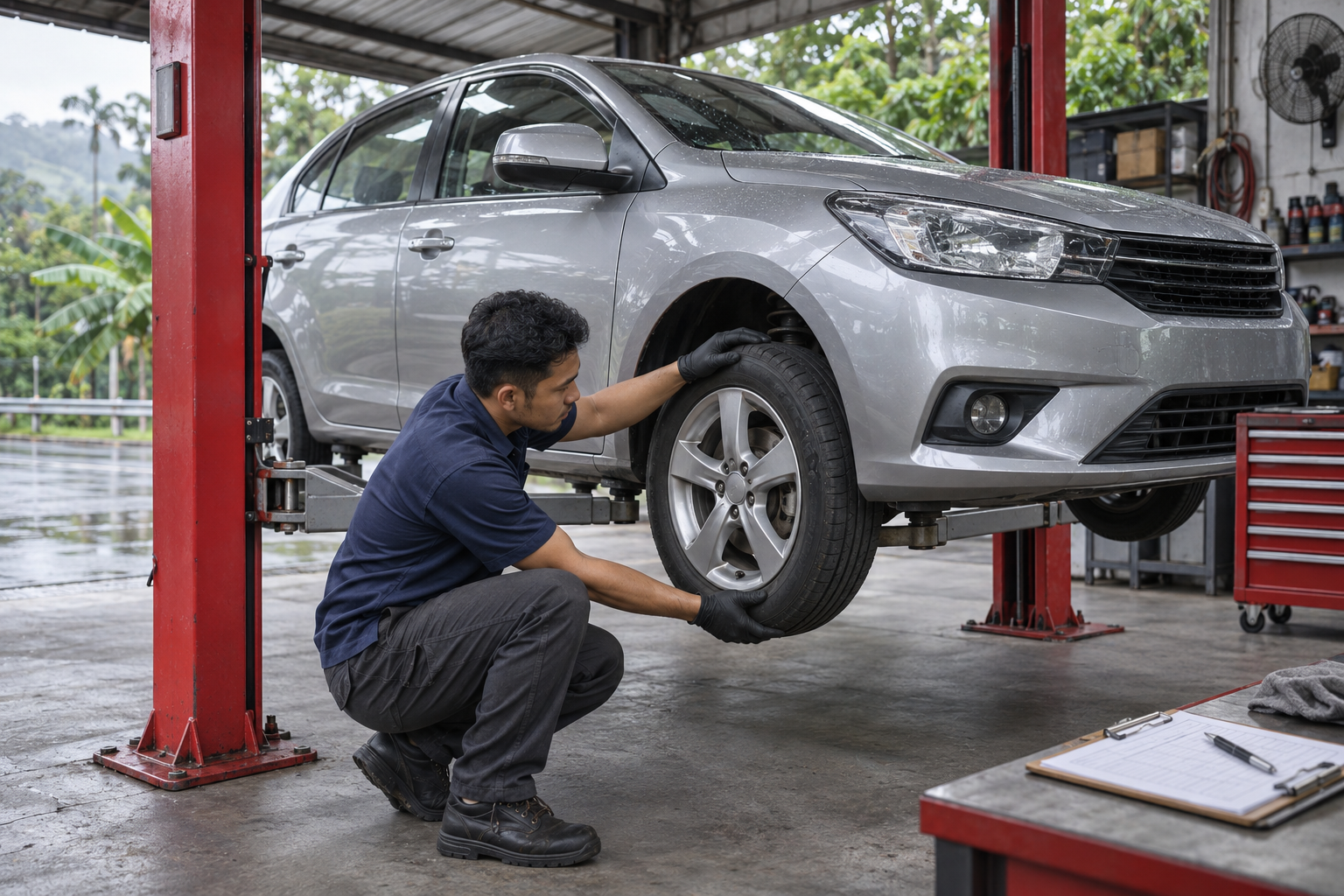
After the Deepavali Drive: The Post-Trip Check Your Car Deserves
The festive rush has come and gone. On 5 November 2026, the Malaysian Highway Authority (LLM) said about 3.28 million vehicles were expected on major highways every day over the Deepavali period, with PLUS alone carrying an expected 2.24 million. PLUS expected Klang Valley-bound return traffic to build on 9 and 10 November. Once you're home, a quick post-trip car check in Malaysia is one of the smartest things you can do, because a long highway run puts more steady load on your wheel bearings, brakes and suspension than weeks of city driving.
LLM director-general Ir Mohd Hadzmir Yusoff gave a breakdown of the expected daily traffic, as reported by Malay Mail:
Lane-closing maintenance was suspended from 6 to 10 November, a 50% toll discount applied to Class 1 vehicles on 6 and 7 November, and PLUS urged motorists to plan their trips and use its travel time advisory. In other words, it was a heavy travel week, and for many cars it meant hundreds of kilometres at sustained speed, often fully loaded with family and luggage.
Highway driving feels gentle compared with city traffic, but it stresses parts in a different way. Sustained speed, extra weight and long downhill stretches all add up:
None of this means a well-maintained car is at risk. It does mean a festive trip is a natural point to check that everything is still in good shape, especially with the year-end school holidays not far away.
Give your car a few minutes of attention in the first few days after you return. Here's what to look and listen for:
If anything feels or sounds different from before the trip, it's worth having a workshop look at it rather than waiting.
It's one of the most common questions after a long trip, and the honest answer is that a noisy bearing should be checked as soon as practical. A wheel hub is more than a bearing. The hub flange, bearing unit, seals and, where fitted, the ABS wheel-speed sensor all work together. As wear progresses, play in the bearing can affect handling, braking stability and ABS readings. Catching it early usually means a simpler, cheaper repair and much less chance of being stranded on your next long trip.
The same thinking applies across the chassis. Steering and suspension parts work as one system, so one worn component puts extra load on the parts around it.
A good workshop check after a long trip takes little time. With the car on a lift, a technician can spin each wheel by hand to feel for roughness, rock it to check for play in the bearing and steering joints, and look over the CV boots, bushings and bump stops for splits or cracks. Ask for brake pad thickness to be measured and noted on your invoice, so you have a baseline before the next trip.
Festive travel is part of Malaysian life, and the next long drive is never far away. A short post-trip check helps keep every journey as safe and comfortable as the last. SAIKO has supplied quality-controlled automotive replacement parts since 2007, including wheel hub bearings, steering and suspension components and brake parts, for more than 400 vehicle models through a nationwide dealer network. SAIKO's ball joints use POM bearing technology designed for low friction, quiet operation and long service life, so your car stays composed on the highway.
Heard a new noise on the way home? Find a SAIKO dealer near you at saiko.com.my
Recent Posts
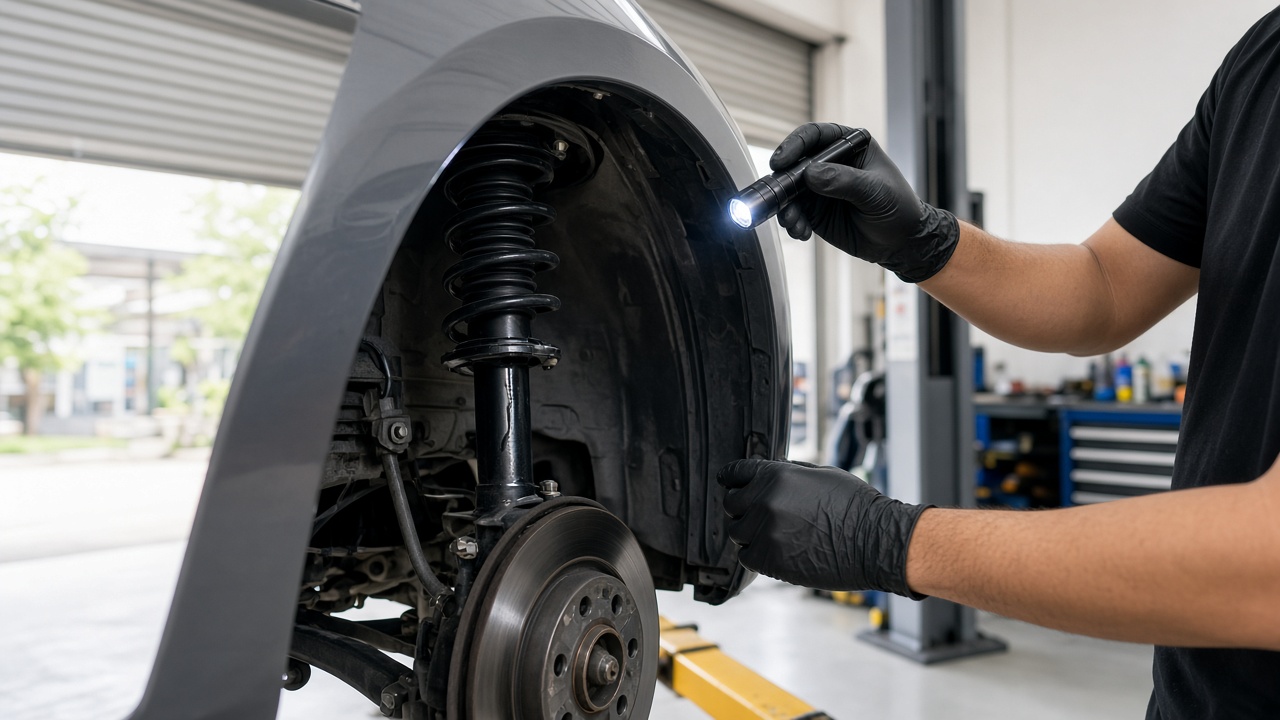
How to Tell If Your Car Absorber Is Worn Out on Malaysian Roads
16 Nov 2026
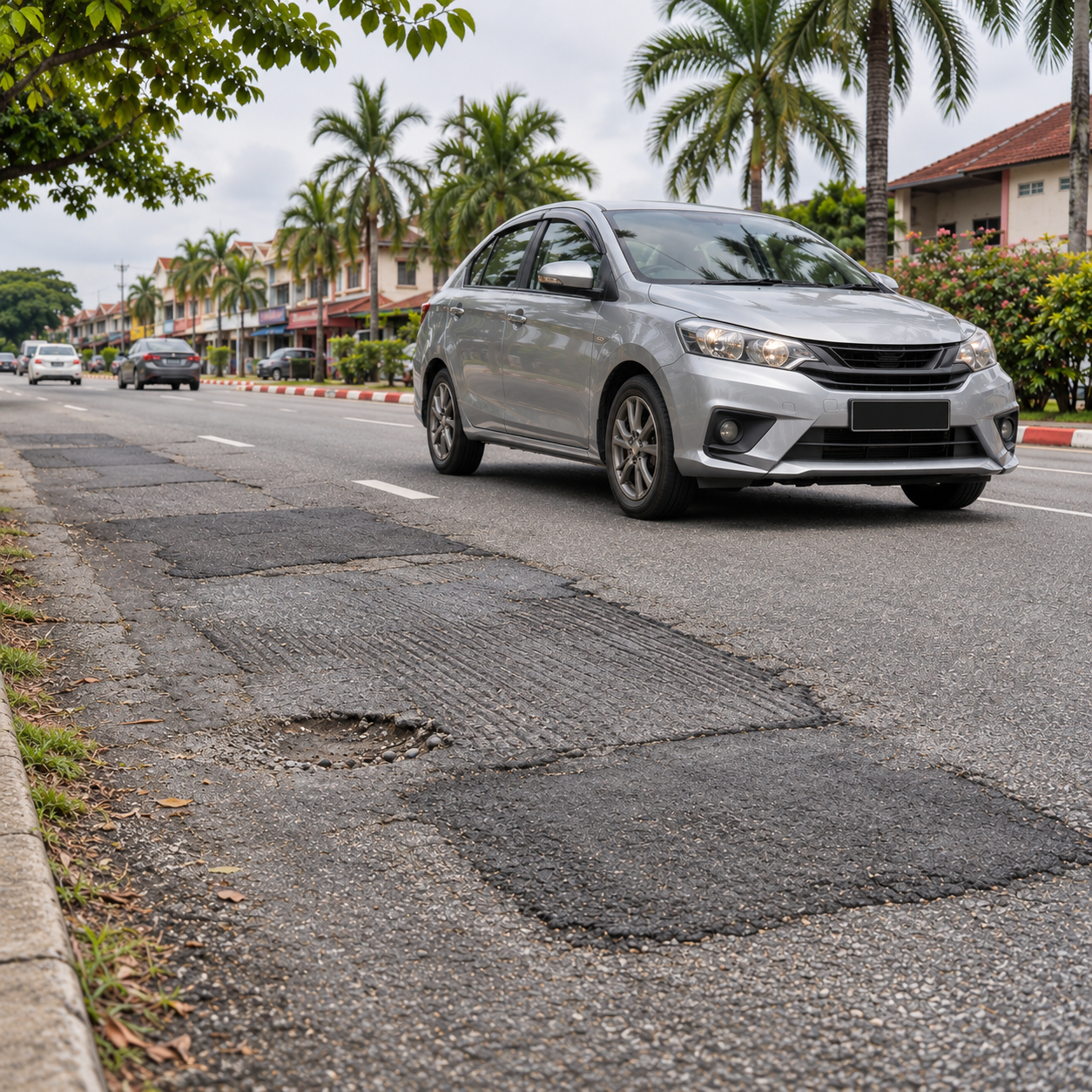
Recurring Road Damage: What Patched and Re-Patched Roads Do to Your Suspension
16 Nov 2026
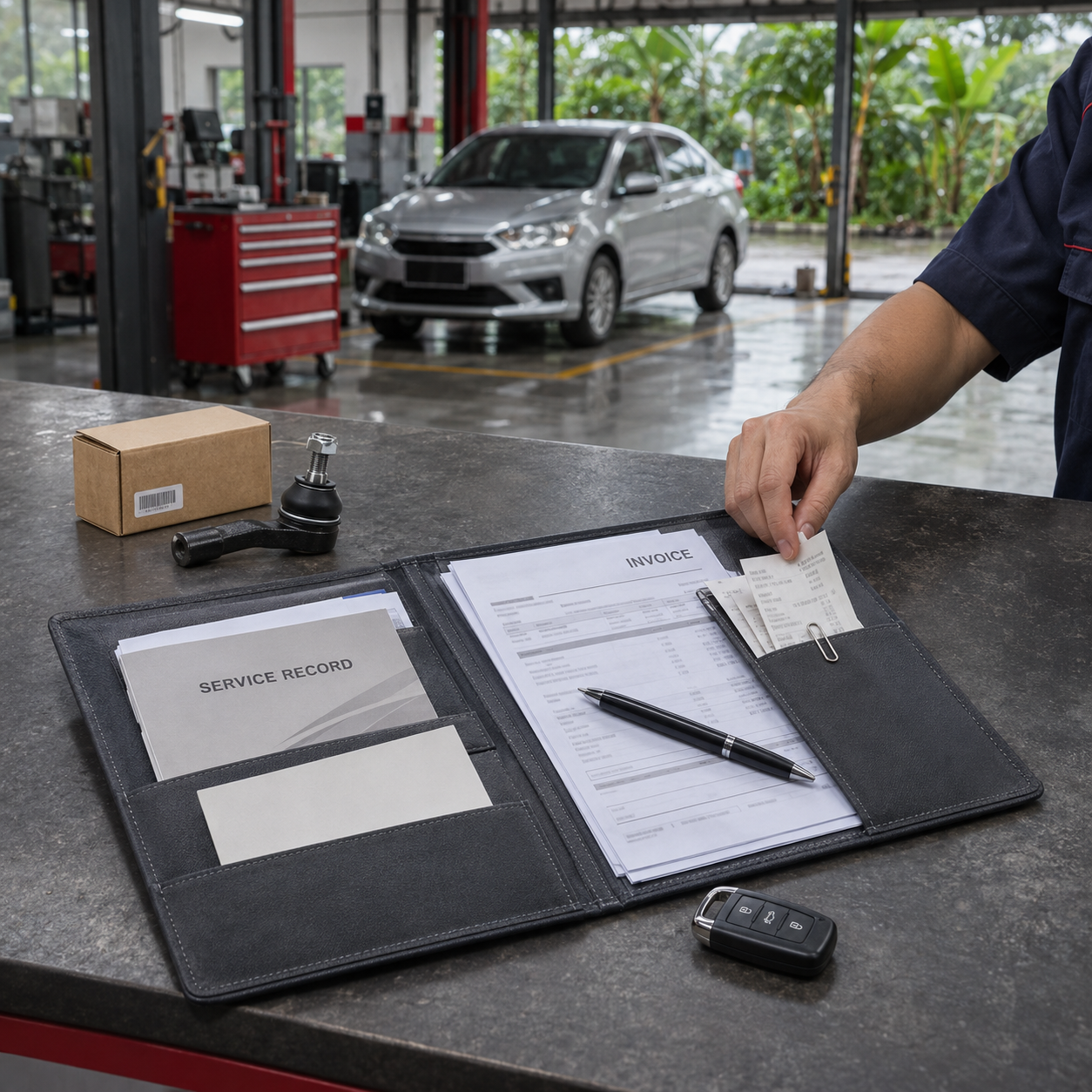
RON95 Goodwill Payments Show Why Your Car's Paper Trail Matters
12 Nov 2026
21,624 Protons in One Month: What a Growing National Fleet Means for Parts and Service
10 Nov 2026
Malaysia's Automotive Workforce Is Growing. Here's Why Skills Matter for Every Repair
06 Nov 2026
 Whatsapp Us NowSaiko Automotive

